
If you have a story that you believe should be documented—or know someone whose experience belongs in this project—I would welcome the opportunity to talk. I am actively interviewing immigrants, family members, educators, healthcare workers, employers, attorneys, clergy, and others whose lives or work have been touched by immigration enforcement.
Every story begins with a conversation. You can reach me at Business@ThomasMcCartney.com.
How This Work Developed
My photography has long had a clear commercial direction: portraits, editorial work, and visual storytelling built around people. Cuba expanded that work into a more deliberate documentary practice.
That project was planned from the start around interviews, research, and photographs. I went there to make strong images, but also to understand the lives behind them. Over three weeks, I photographed, interviewed, took notes, and began building stories that connected individual experience to larger systems. These stores are shared here.
That approach now carries into Witness: photographs that introduce the person, interviews that reveal the life behind the face, and context that shows how policy enters ordinary life.
That realization eventually led to Witness.
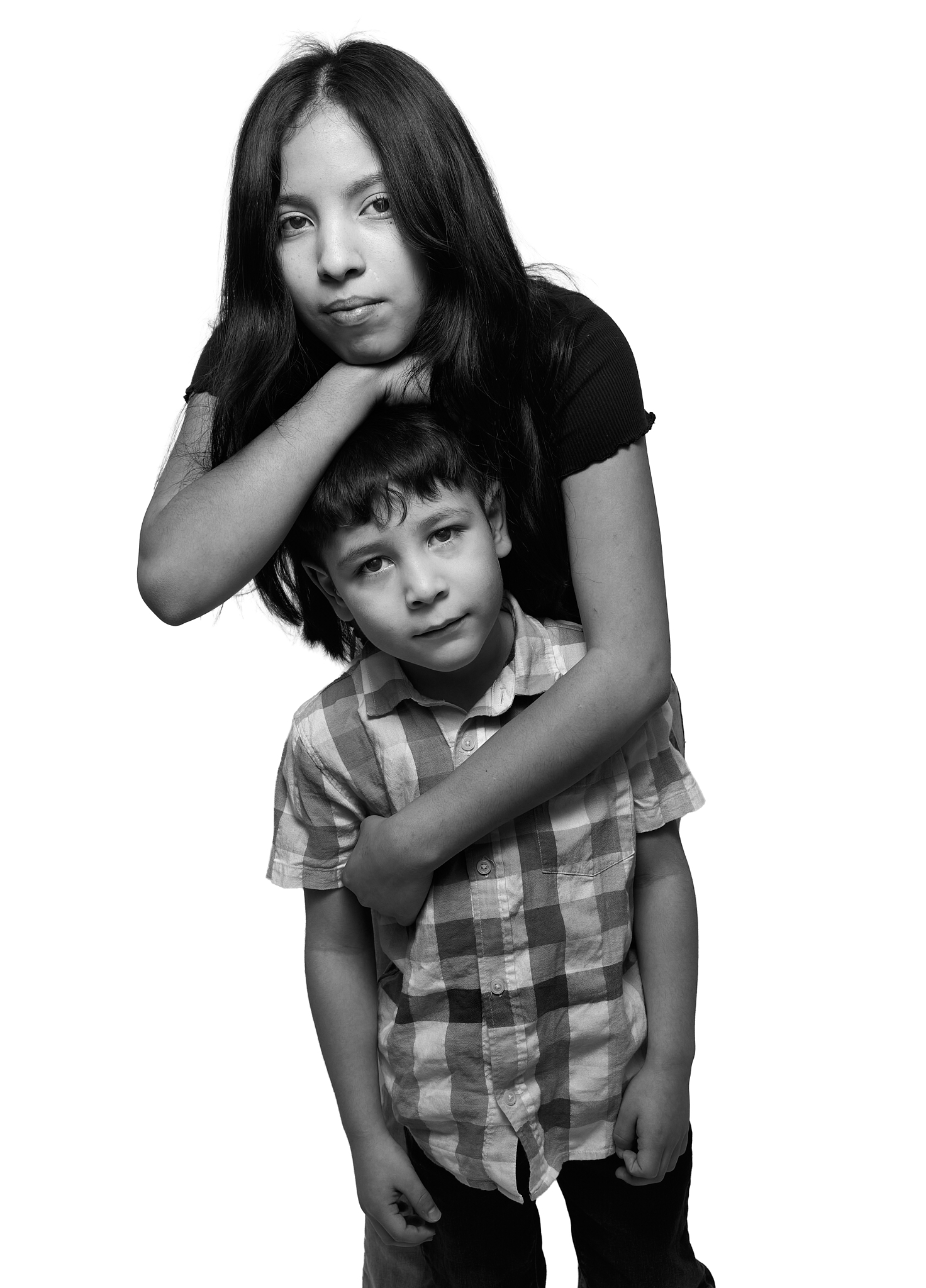
Immigration is now one of the most discussed subjects in American life, yet much of the conversation takes place at a distance. We debate laws, policies, statistics, court decisions, border crossings, and enforcement actions. What often gets lost are the people whose lives are shaped by those decisions.
My objective is simple.
I want to show the human side of immigration by portraying people as they actually are: ordinary, decent individuals trying to live, work, raise families, and contribute to their communities.
I intend to remove immigrants from abstraction and present them as people whose lives, concerns, hopes, and responsibilities typically mirror those of people born in the United States.
By doing so, I hope to expose the human consequences of immigration enforcement and encourage readers to think more deeply about legal frameworks that sometimes fail to reflect both human dignity and the practical realities of immigration.
We already have a legal framework. It should be enforced with humanity and redesigned to reflect economic and social reality, not used as a weapon to deny dignity while quietly benefiting from the labor of the undocumented.
At its core, this project is about visibility.
Through interviews and portraits, I am documenting not only immigrants themselves, but also the broader communities affected by immigration enforcement. Teachers, healthcare workers, employers, attorneys, clergy, community leaders, and family members all have stories to tell about how policy decisions ripple through everyday life.
The project has two primary forms.
The first is this blog, where I publish interviews, essays, observations, and ongoing reporting as the work develops. The second is a documentary book that will bring together portraits and narratives from approximately thirty individuals whose lives have been shaped by immigration enforcement. Together, they will create a record of this moment through the people who have lived it.
My goal is not to tell readers what to think.
It is to help them see.
Because dehumanization only works when people remain unseen. Witness exists to make sure they are seen.

