
Paschal Nwokocha and the Human Cost of Immigration Enforcement
This article is part of Witness: The Human Impact of Immigration Enforcement, an ongoing documentary project documenting the lives of people affected by immigration enforcement. My goal is to move beyond politics and headlines and help readers better understand the human stories often missing from the conversation.
Read more about the project and how you can participate.
Paschal Nwokocha has seen American immigration from both sides of the glass.
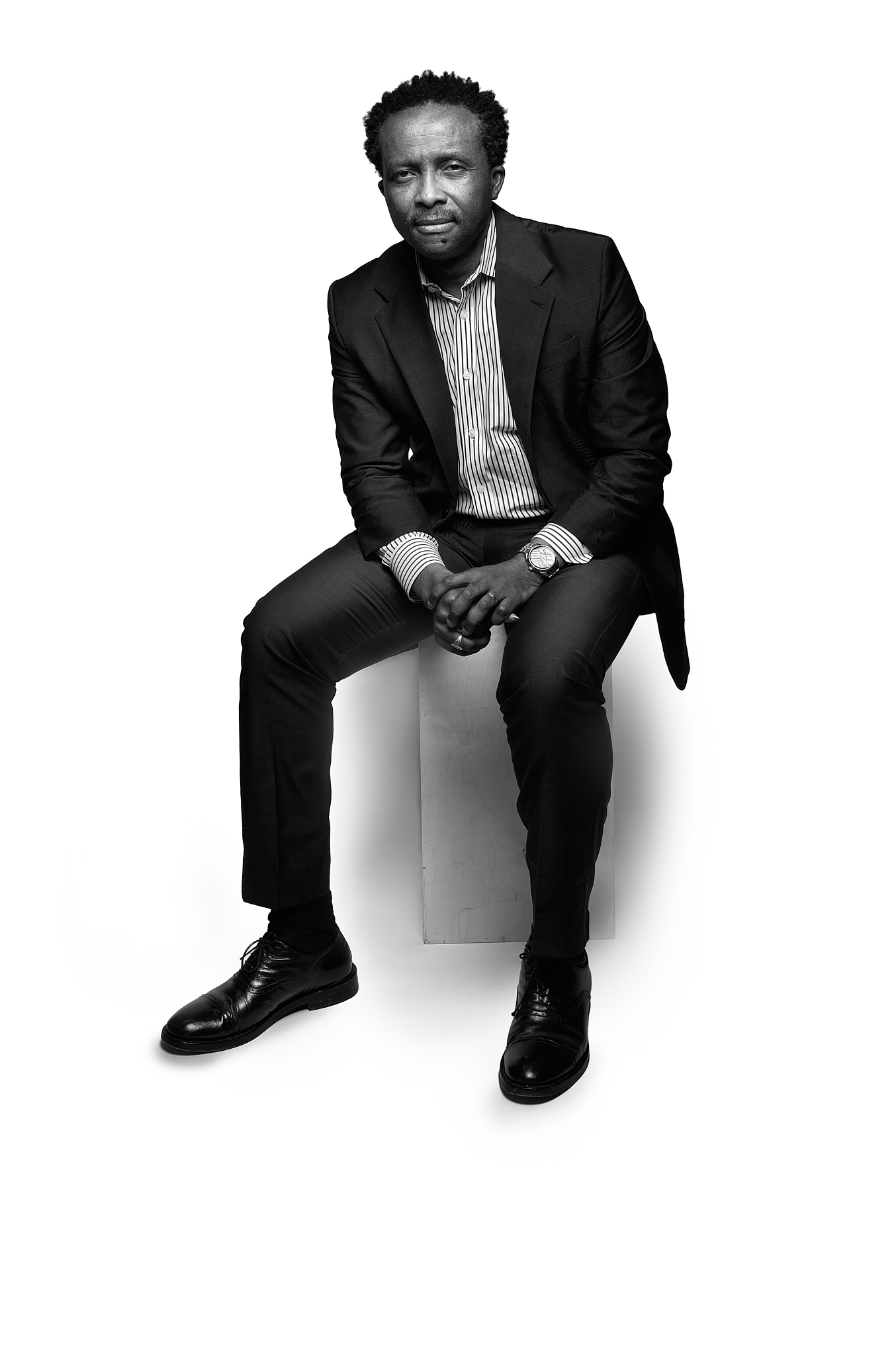
He came to Minnesota from Nigeria in 1992 after his father petitioned for him and his brothers. He became a lawyer, a U.S. citizen, and an immigration attorney representing families, workers, asylum seekers, businesses, and people who once saw America as the safest bet in the world.
That is what makes his voice matter. He is not speaking from a campaign podium. He is speaking from inside the machinery, after decades of watching it work, stall, break, recover, and now be deliberately weaponized.
When I sat down with him, I was trying to understand the recent ICE enforcement in Minnesota. What I got was larger: a history of how fear gets built into a legal system, and what happens when people trying to follow the law become afraid of the law itself.
Paschal told me that when his father filed for him and his brothers, the process was straightforward. “From the time my dad started the process and when we came here, it was like two years,” he said. “These days, it’s [many] years.”
The legal pathway has become a maze. Then politicians point at the people trapped inside the maze and call them the problem. That is not enforcement. That is arson with paperwork.
The America People Still Believe In
Paschal’s father came here, studied, worked, got status, filed for his sons, and then went home.
He did not come here because he hated Nigeria. He did not bring his children because he wanted to erase where they came from. He saw opportunity, put his children where they could reach it, and returned to the place he still considered home.
That is one of the quiet truths immigration politics usually bulldozes: many people do not come because they are trying to “take” America. They come because they are trying to give their children a shot.
Paschal sees that pattern still.
“The clients come,” Paschal told me, “especially those who come here at an older age. The young ones, not so much, right? But if you have somebody who comes to the United States, he’s in his 40s or his 50s, he doesn’t really want to start life fresh in a foreign country. He wants to situate his children, their future.”
There it is. Not invasion. Not replacement. Parents. Children. Future.
Paschal said the old idea of America was simple: “You come here, you get a good education, you can make it.” Then came the part that should stop us cold: “Even up until five, eight years ago, it was still there. People saw it.”
Meaning: something changed. Not generations ago. Recently.
The Soul of the Country
At one point, Paschal paused the legal analysis and said the thing out loud.
“I think when we look back to what has happened in this country in the last 10 years, if we look back, we are going to wonder what happened to the soul of this country.”
Then he sharpened it.
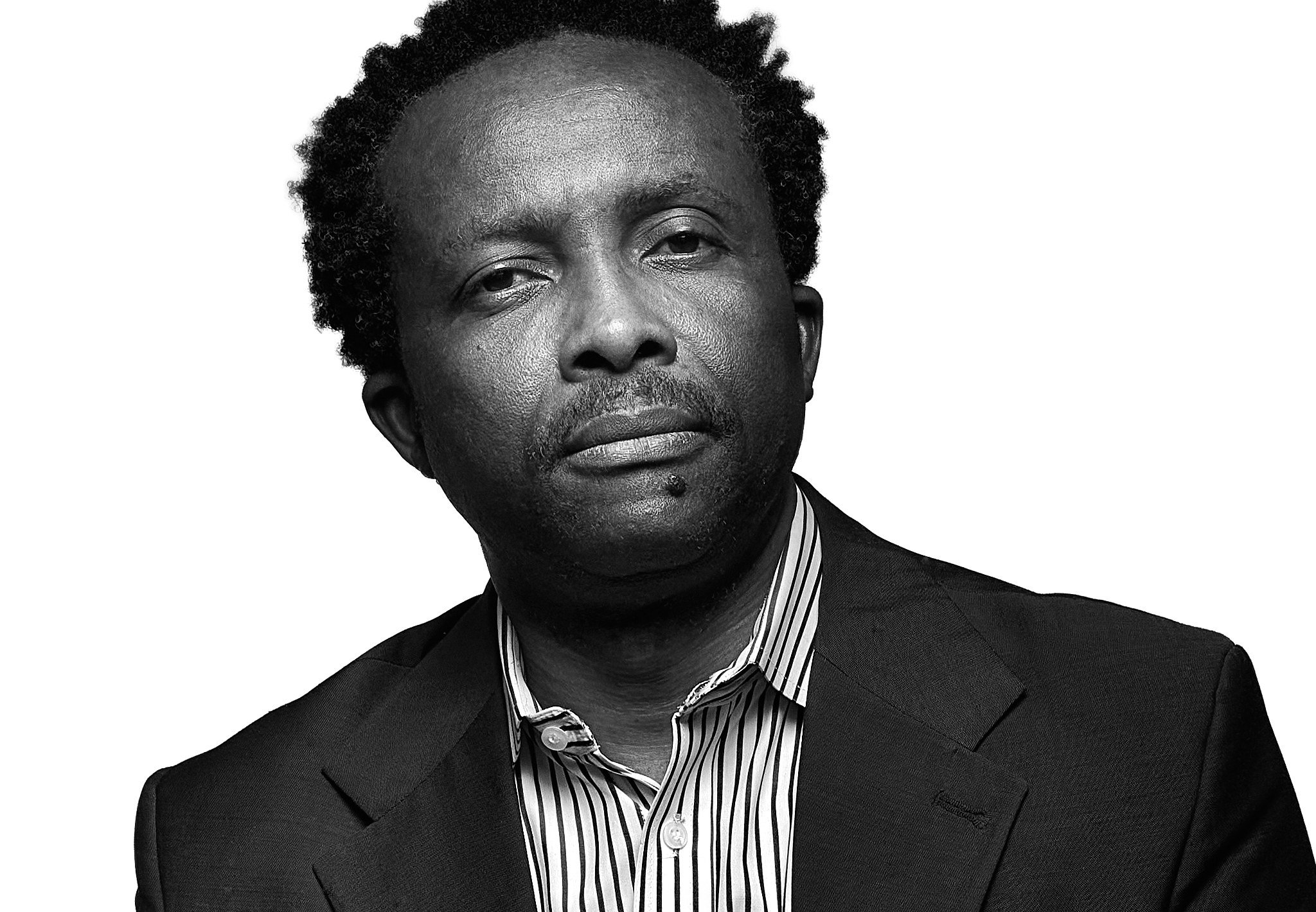
“We have lost our soul as a society.”
From Paschal, that did not sound dramatic. It sounded like a diagnosis. He has practiced through 9/11, the Ashcroft-era tightening, Trump’s first administration, Biden’s cleanup, and now Trump’s second assault on the system. He is not pretending the old system was gentle. He is saying the cruelty has become the design.
He described a country that once attracted students, workers, entrepreneurs, and people with ambition. Now, people with options are asking why they would come at all.
“For the first time in my career,” he told me, “I have millionaires telling me, take that green card and shove it, I’m not coming.”
When people with money, legal options, and mobility decide the United States is no longer worth the risk, that says something ugly about what we have become.
Paschal told me about clients who had built a life in the Twin Cities and were leaving. Status resolved. Small business here. But they were from North Africa, and they felt scapegoated everywhere they went. “It seems that they can’t breathe,” he said.
They went back to France.
Scapegoating Is the Point
Paschal did not dance around the political mechanism.
“You don’t have a job, or you’re not making as much money, housing is more expensive, and you look around you, it has to be the immigrants,” he said. “You don’t have the skills to upgrade yourself in your job, but it has to be the immigrants’ fault.”
That is the old trick. Find people with the least power, make them carry the anger, and let the people who built the broken system walk away clean.
Trump did not invent scapegoating, but he made it central to his political brand. He launched his 2015 campaign by describing Mexican immigrants as people bringing drugs and crime and calling some “rapists.” He has continued using immigrant communities as targets, including Somali immigrants.1
Paschal put it plainly: “What they see is they are rapists, they are murderers, they are taking your jobs. They are different.”
Then he flipped it: “They are different. But that difference is what makes this country great.”
That is the contradiction. We sell ourselves as a nation built by immigrants, then panic when immigrants arrive. We eat the food, hire the labor, depend on the care work, use the construction crews, and then pretend the people doing the work are an invading force.
Trying to Do It Right, Punished for Showing Up
The most disturbing part of my conversation with Paschal was not just that people are afraid of ICE. It was that people are afraid to participate in the legal process itself.
During the ICE surge, Paschal told clients not to come to his office. “Don’t come,” he said. “We’ll call you.” His office locked the front door.
An immigration lawyer had to give up in-person meetings because bringing clients into the office might put them at risk.
Paschal said phone calls are not the same. A client has to explain trauma, family history, work, fear, mistakes, hopes, and details that may decide whether they stay or go. “You need to be able to look at the person,” he said. But during the ICE surge, “we had to give up some of that for our client’s safety.”
That is not just fear in the community. That is the legal process being contaminated by fear.
Paschal also described clients with court dates asking whether it was safe to go to immigration court.
“They worry about it all the time,” he said, “because they hear stories of people who show up at the immigration court and never come home.”
These are people trying to do it right. They are showing up for the system we claim they should respect, and the system has become a trapdoor.
The Kid Who Signed the Paper
Near the end of the interview, Paschal told me about a young man he had known through his family for years.
The young man had DACA2, valid until June 2027. He came to the United States when he was four years old. He grew up here. He finished college here. He was about 26.
ICE picked him up in Columbia Heights and took him to Texas. Paschal was out of town. During that gap, an ICE officer convinced the young man to sign papers.
“And that officer lied to him,” Paschal said.
The form was voluntary departure at government expense. According to Paschal, the young man was told the government would take him home and that, because his father was a permanent resident, they would find a way to bring him back.
“What they didn’t tell him,” Paschal said, “it was a 15-year process.”
He is now in Ecuador.
DACA is not citizenship. It is deferred action for certain people brought to the United States as children, and recipients may request work authorization. This young man had a legal status category, a life here, a valid timeline, and a lawyer nearby. What he did not have was access to counsel before signing away his future.
Paschal compared him to other clients in nearly identical situations. One was taken to Texas and came back to Minnesota. Another was taken to New Mexico and came back. The difference was not moral worth. The difference was legal help.
“When people are facing deportation,” Paschal said, “those who have lawyers have a greater chance of staving off deportation. Staying here longer. Get their status here. And those who can’t afford it, unfortunately.”
That “unfortunately” does a lot of work. Rights are not worth much if you cannot reach the person who knows how to enforce them.
The Constitution does not reserve due process only for citizens. The Supreme Court has long recognized that constitutional protections can apply to noncitizens within the United States.3 If the government can move people fast enough, isolate them far enough, and pressure them before counsel arrives, then due process exists mostly on paper.4
Citizenship No Longer Feels Like Home
Paschal became a U.S. citizen in 1996. By any sane measure, that should be the end of the fear.
But Paschal brought up denaturalization, the government process for revoking citizenship obtained illegally or by concealment or misrepresentation. The Trump administration has elevated denaturalization as a Justice Department priority.5
Paschal’s point was psychological and political: the ground keeps moving.
“Those who went through the process, they got their citizenship,” he said. “Now the government wants to go back to see how they can strip some people of their citizenship.”
Then he said: “There’s never a breathing space. You’re not home yet.”
People born into citizenship often experience it as a floor. Many immigrants experience it as something closer to a permit that can still be questioned.
The People We Need, Forced Underground
Paschal cut through one of the biggest lies in American immigration politics: that the United States can remove immigrant labor and keep functioning normally.
We cannot.
He talked about work authorization, and about how new arrivals fleeing persecution can eventually receive authorization to work while their cases move through the system. Then he described the Trump approach.
“He wants to make it that if you come, you’ll never get that work authorization,” Paschal said. “So he wants those, when they arrive, they will always be under the table, work for cash.”
That is the insanity of it. The country needs the labor, blocks the lawful pathway, then blames people for working in the shadows.6
Paschal made the practical point better than any policy memo could: “You need your roof done, you need your sidings done, you need your paintings done. How are they getting paid, right?”
Exactly. We have built a system that depends on immigrant labor while refusing to fully legalize, protect, or respect the people doing it. That is not law and order. That is organized hypocrisy.
Minnesota’s Quiet Infrastructure of Goodwill
This story is not only about cruelty. If it were, the piece would be unbearable.
Paschal also described Minnesota’s civic infrastructure: people, lawyers, employers, community networks, businesses, courts. The quiet machinery of decency.
During the ICE surge, employers called him: “Paschal, so-and-so has been picked up, please do what you need to do.” And they paid.
“No questions asked,” he said. “A lot of businesses do it, and they did it just without making noise about it, just to make sure that the clients are okay.”
Even inside a brutal system, people still make choices. Some people exploit fear. Others step in and pay the legal bill.
“The goodwill we saw in this community tells you that there is a yearning to do things right,” he said.
That line keeps the piece from collapsing into despair. Paschal is angry, but he is not hopeless.
“They’re not going to be there forever,” he said of Trump and the people around him. “So yes, things are bad, but I think there is that goodwill that, I think, will uplift what is going on now.”
What Children Will Remember
Paschal asked me to imagine a 15-year-old Somali kid in Minnesota, thinking about college, graduate school, business, and a future here.
“What are you going to remember about this society?” he asked.
Children remember. They remember who looked at them with suspicion. They remember whether adults protected them or used them. They remember whether the country they grew up in treated them as future citizens or permanent suspects.
Paschal said parents, including himself, are telling young people to be careful. Even U.S. citizens. Because U.S. citizens have been picked up and taken to jail because they looked Black, or looked Somali, or looked like the people enforcement wanted to sweep up.
“If you are an immigrant,” he said, “we have a lot of Somali that we have picked up. Some of them you probably saw in the news, U.S. citizens that were harassed, arrested, taken in, just because of what? They look Somali.”
This is how dehumanization spreads beyond the person detained. It moves through families. It changes how parents talk to children. It turns ordinary life into risk calculation.
For immigrant kids, Paschal’s advice has always carried an extra edge. He tells them they have the world before them, but they must remember they are immigrants. Their friends may get into trouble and go home. They may get into the same trouble and be sent to a country they barely know.
Immigrant families often understand something America refuses to admit: they do not get the luxury of average mistakes.
Why This Interview Matters
Paschal said something blunt, and it needs to stay blunt.
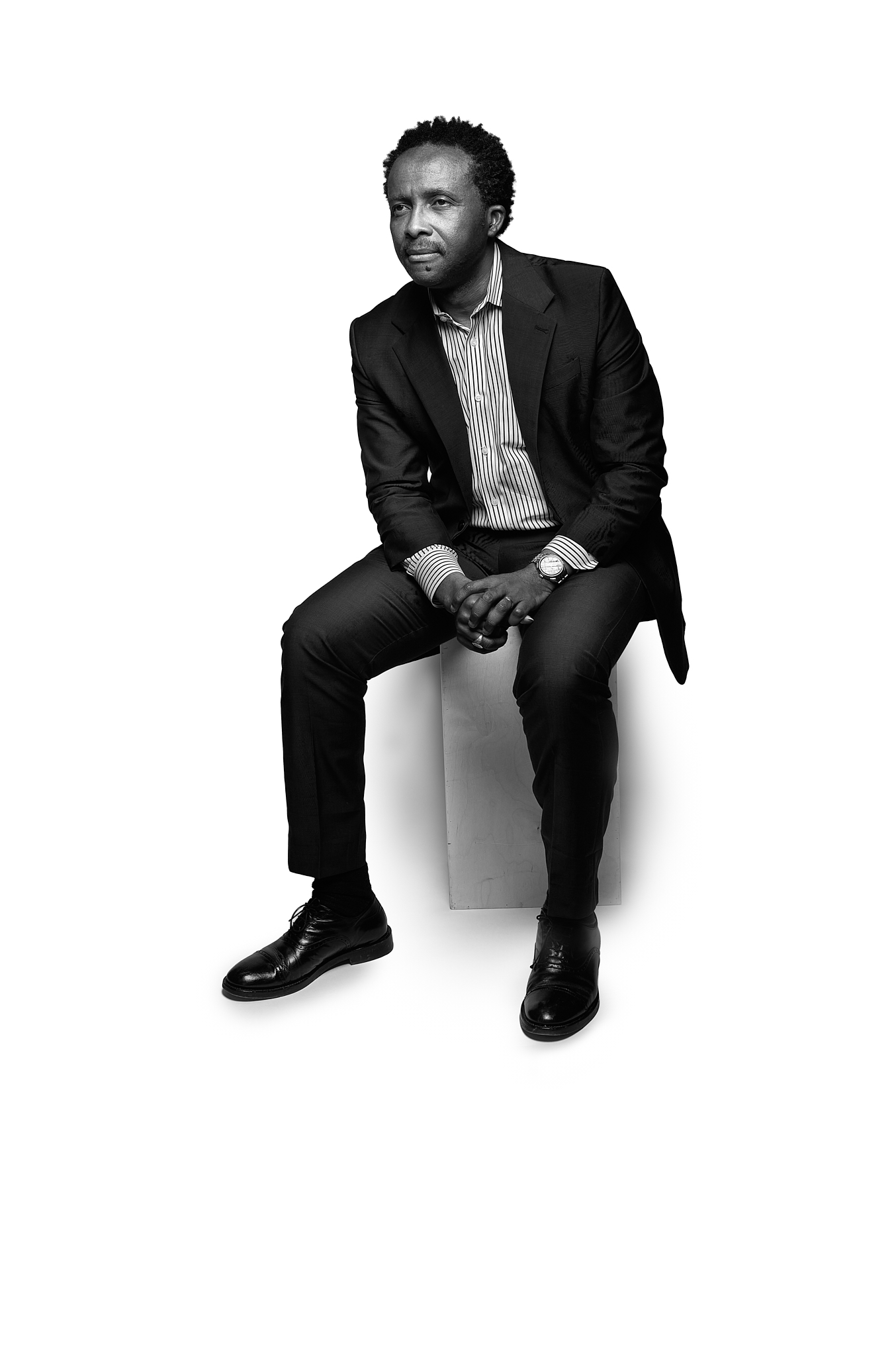
“Trump is bad,” he told me. “He surrounds himself with bad people who think nothing but how to make life difficult for immigrants. It seems to me that’s all they think about.”
That is not polite. Good. Politeness is often where truth goes to be smothered.
And that is why this project exists: because dehumanization only works when people remain unseen.
Paschal makes the machinery visible. He shows how enforcement reaches into a lawyer’s office, a courtroom, a small business, a family decision, a child’s memory, a worker’s paycheck, and a mother’s phone call after her son has been sent out of the country.
He also shows the contradiction America refuses to face: we need immigrants, we benefit from immigrants, we are strengthened by immigrants, and then we allow politicians to treat them as disposable when fear becomes useful.
Paschal is not asking America to abandon law. Neither am I.
The point is simpler and harder: law without humanity becomes cruelty with paperwork.
And once that happens, the question is no longer only what happens to immigrants.
The question is what happens to us.
- Trump’s 2015 campaign-launch rhetoric about Mexican immigrants was widely reported at the time, including the “rapists” framing. More recent reporting has documented continued anti-immigrant language directed at Somali immigrants. ↩
- DACA stands for Deferred Action for Childhood Arrivals, a 2012 Obama-era immigration policy for certain undocumented immigrants who were brought to the United States as children. DACA does not provide lawful permanent status or a path to citizenship. It provides temporary protection from deportation and, in many cases, eligibility for work authorization, typically renewed in two-year periods. That distinction matters here: a person can have valid DACA, have grown up in the United States, gone to school here, worked here, and still remain vulnerable if detained, pressured to sign paperwork, or denied timely access to counsel. USCIS currently describes DACA as deferred action and work-authorization eligibility, not legal immigration status. Link ↩
- The Supreme Court has recognized that constitutional protections are not limited to citizens. In Wong Wing v. United States (1896), the Court held that noncitizens within the United States were entitled to Fifth and Sixth Amendment protections in the context of criminal punishment. In Yamataya v. Fisher (1903), the Court recognized procedural due process limits in deportation proceedings. ↩
- This is the core of it: people with lawyers, people who actually get due process, often get released. That exposes the tactic. Detain as many people as possible, knowing many cases may not survive legal challenge, but also knowing most people will never get a lawyer. Then pressure them, isolate them, and deport them before due process has a chance to matter. ↩
- Denaturalization is the process of revoking citizenship from someone who became a U.S. citizen through naturalization. It does not apply to people who were citizens at birth. Historically, it has been rare and usually tied to serious fraud, terrorism, war crimes, or other extreme cases. In 2025, reporting described a Justice Department Civil Division memo directing officials to “prioritize and maximally pursue” denaturalization cases in all legally permitted cases supported by evidence. The concern is not that fraud should be ignored. The concern is that making denaturalization an enforcement priority turns citizenship into something that can feel conditional for naturalized Americans — even after years of residency, vetting, interviews, and the oath. That is the fear Paschal is pointing to when he says, “You’re not home yet.” ↩
- Work authorization is one of the quiet pressure points in the immigration system. Under the Biden administration, DHS made permanent a rule allowing certain immigrants with pending renewal applications to keep working for up to 540 days after their existing work permits expired. The rule was meant to prevent people from losing jobs simply because the government was too backlogged to process renewals on time. Reuters reported that the policy covered groups including refugees, asylum seekers, Temporary Protected Status holders, and certain spouses of work-visa holders. Link
By contrast, the second Trump administration moved toward restricting work authorization, including proposed limits on asylum applicants’ ability to receive work permits while their cases are pending. The practical effect is obvious: people who are legally trying to pursue their cases may be blocked from working legally, even while they still need to pay rent, buy food, support children, and survive. That is the contradiction Paschal is pointing at — the country needs immigrant labor, but the policy structure can push that labor into the shadows and then punish people for being there. Link

