
On a tobacco farm outside Viñales, five generations of one family have worked land they do not own, building a life around horses, tobacco, and spring water. One child left to become a doctor, but for Miguel, Michelle, and Michael, the valley is more than home—it is the place they cannot imagine leaving.
This is one story in a series of stories about Cuba. More is available here.
I arrived on Mother’s Day.
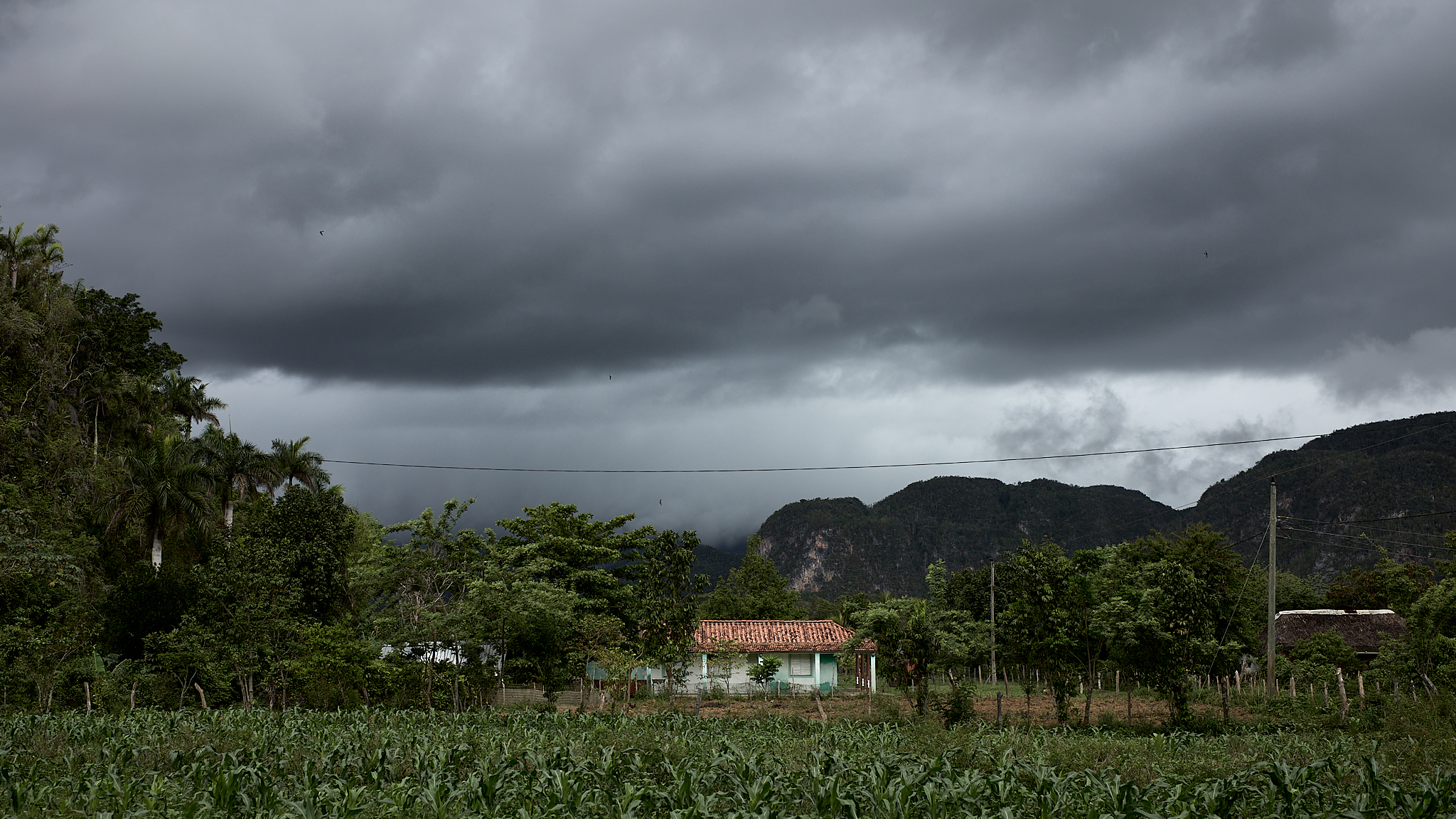
In Cuba it’s usually a day of flowers and families visiting their mothers. But when I stepped into the house, the family was in mourning. An aunt had died recently, and the room carried that quiet weight that follows a loss, voices softer than usual, people moving carefully, as if even ordinary sounds might feel out of place.
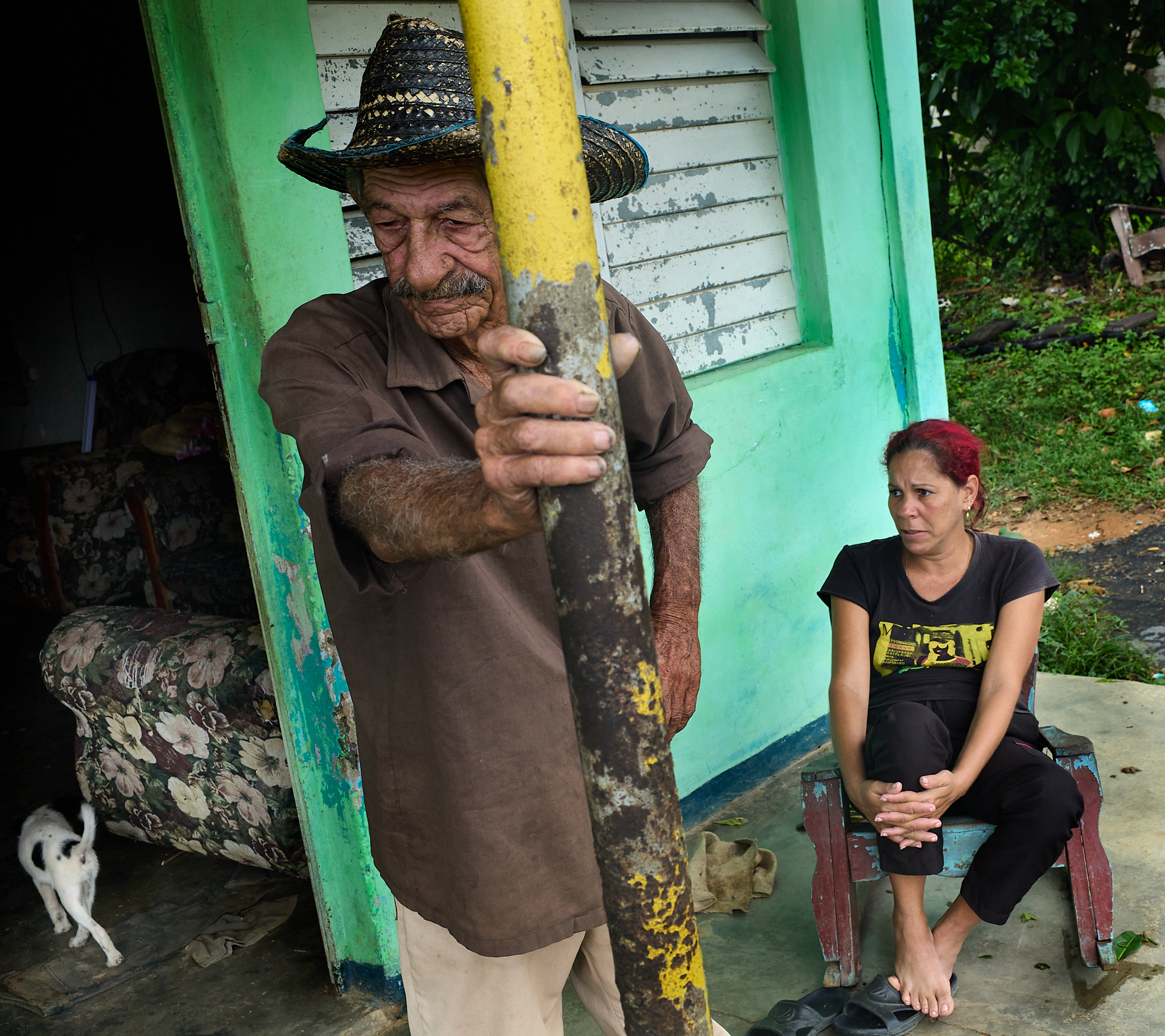
The house itself was simple. One main room with a television. A small kitchen behind it. Two bedrooms. A bathroom with a shower. The furniture was worn but cared for. There were few decorations on the walls, no extra possessions.
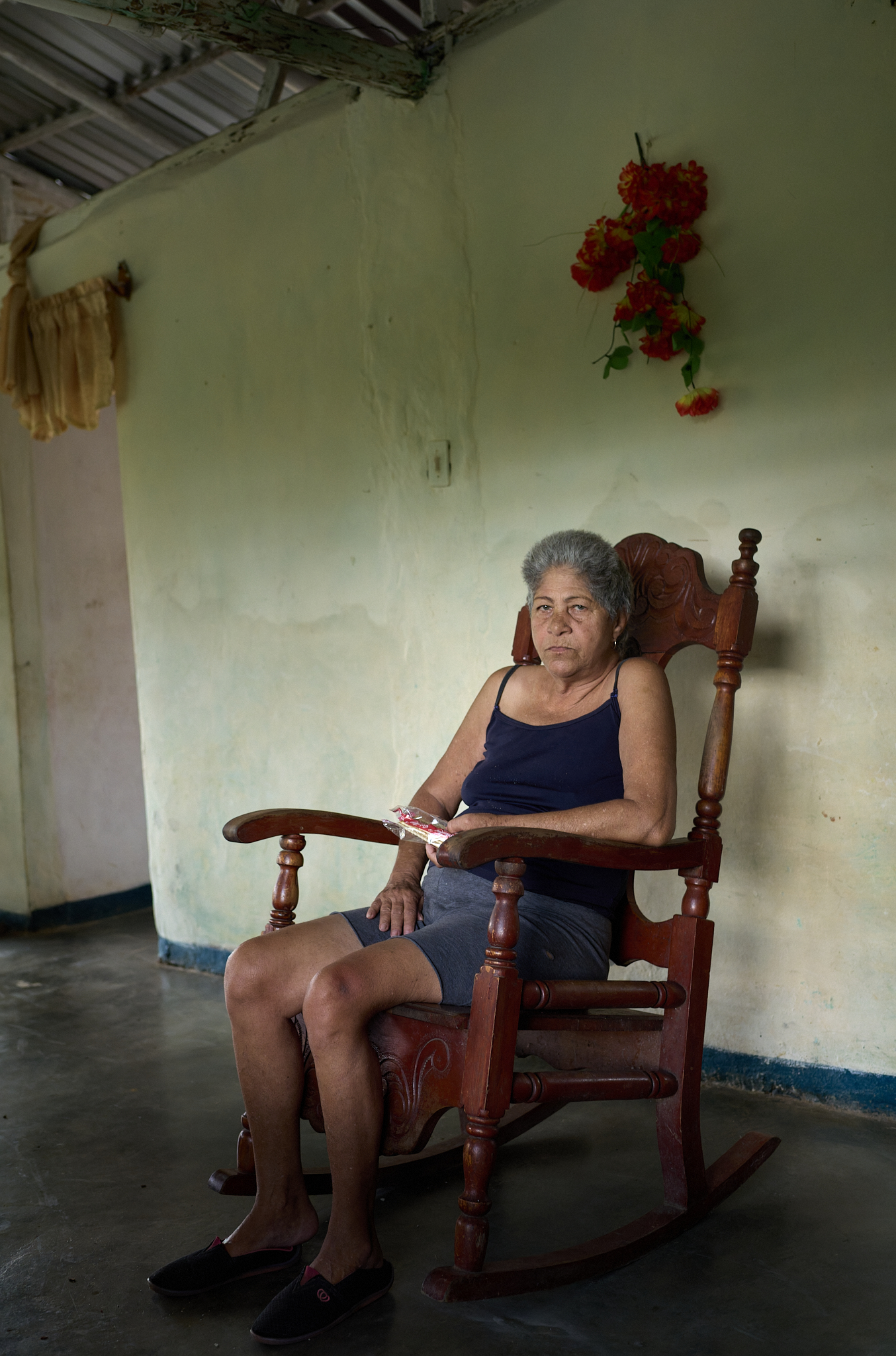
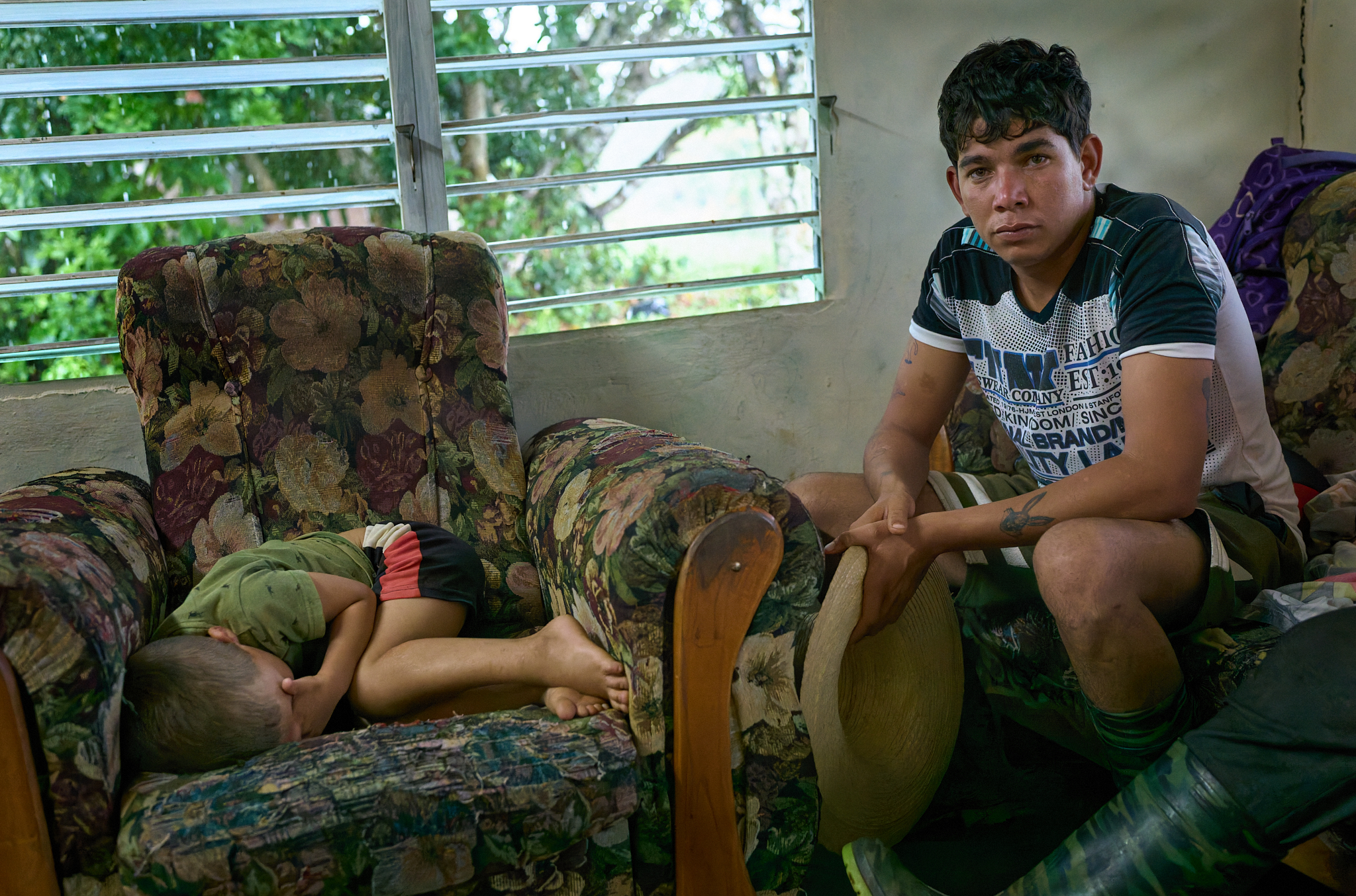
If you come from a place like the United States, your mind immediately begins translating what you see.
You think: This is poverty.
But over the next three days, that word began to feel less accurate.
The night before I arrived, heavy rain had soaked the valley. The tobacco fields were too wet to work, so everyone waited for the soil to dry. In farming, rain sometimes pauses the day as much as it drives it. Instead of disappearing into the fields, the family sat together, telling stories about the land and the people who had worked it before them.
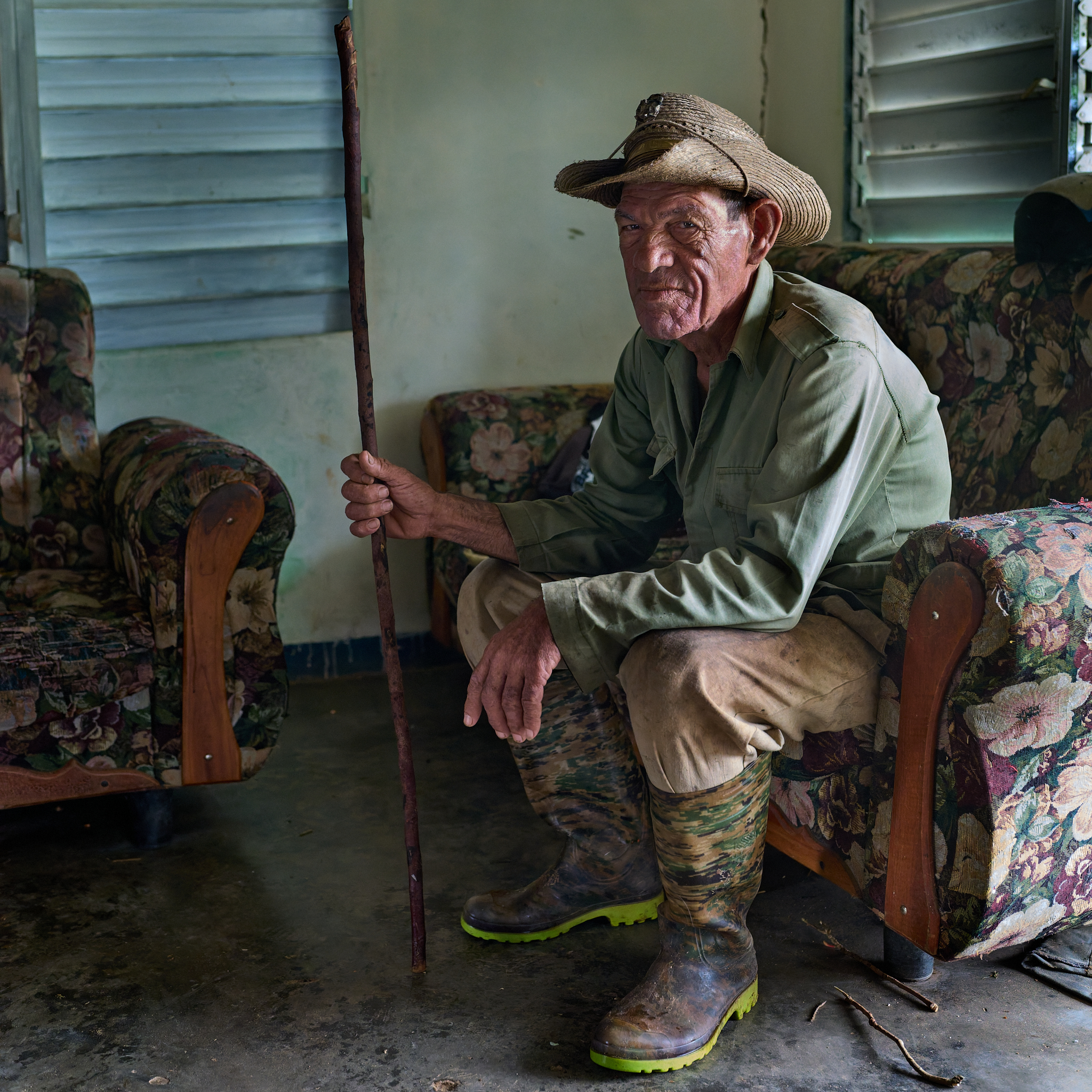
That was when the deeper history of the place began to emerge.
⸻
A Childhood That Ended Early
Miguel is sixty-eight years old.
When he was seven, his father died of cancer at forty-seven.
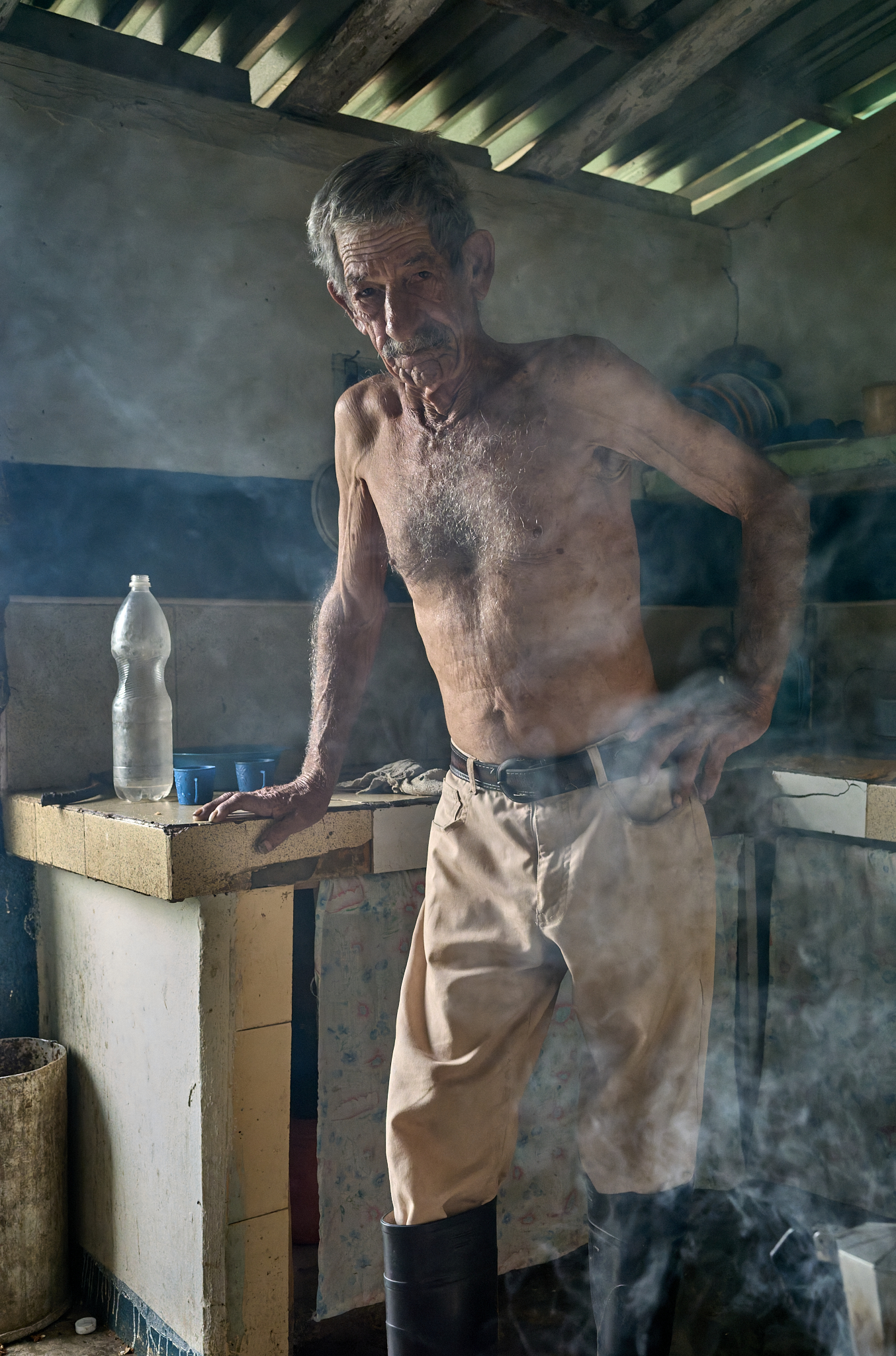
For a short time Miguel’s grandfather helped keep the farm running. Then he died as well. By the time Miguel was nine, the responsibility for the land had fallen to him.
Nine years old.
He told the story without drama, as if describing weather that had already passed. As a boy he owned one pair of pants, one pair of boots, and one pair of shoes. The pants were saved for Sundays.
“Kids today are rich,” he said, smiling.
Miguel had seven brothers. Sometimes neighbors helped with the farming, but much of the work fell to him. School slowly disappeared from his life. The land did not wait.
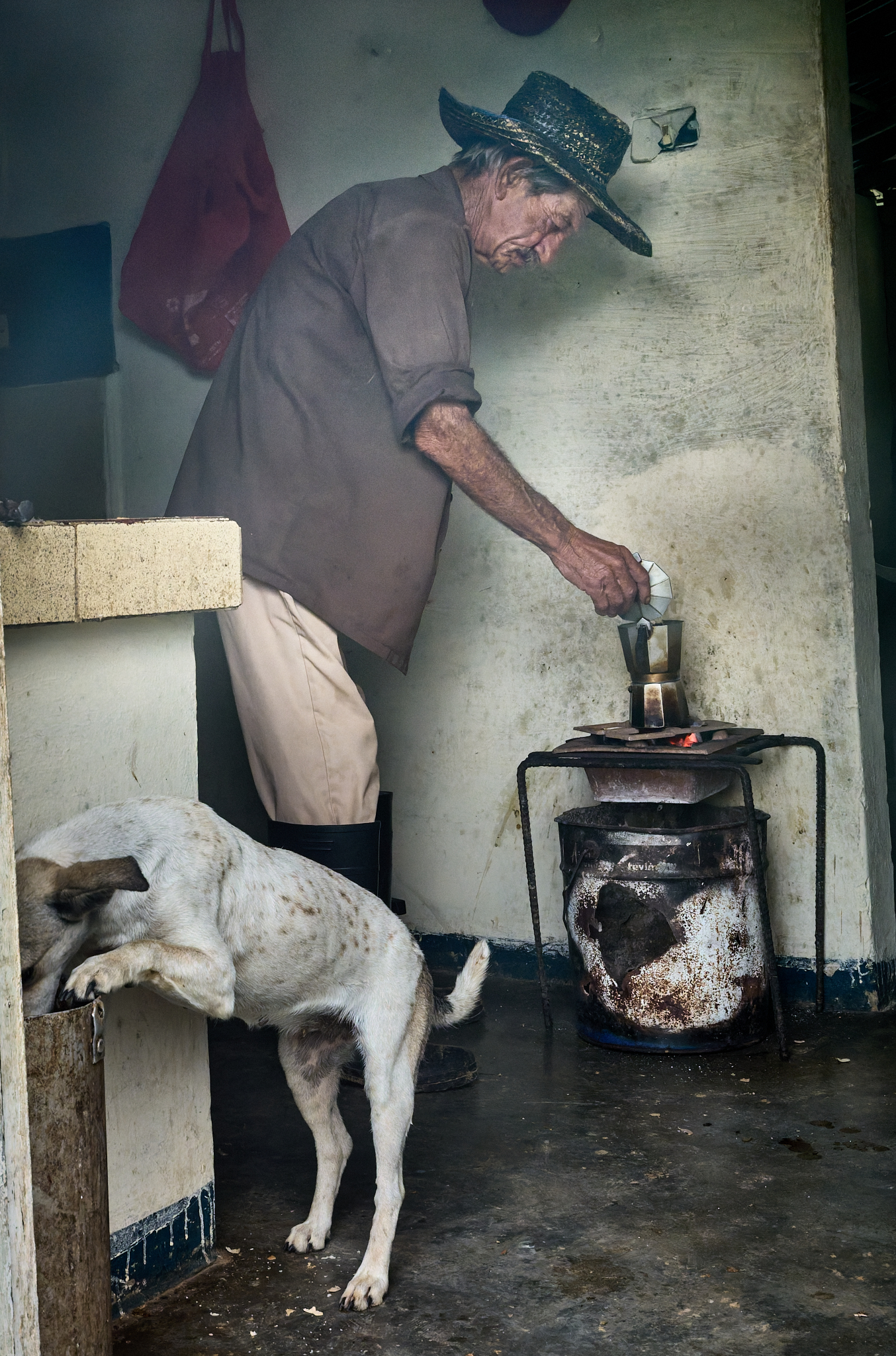
Today his son Michelle runs the farm. Michelle’s son Michael, twenty-one, will likely take over one day. Five generations of the same family have worked this soil.
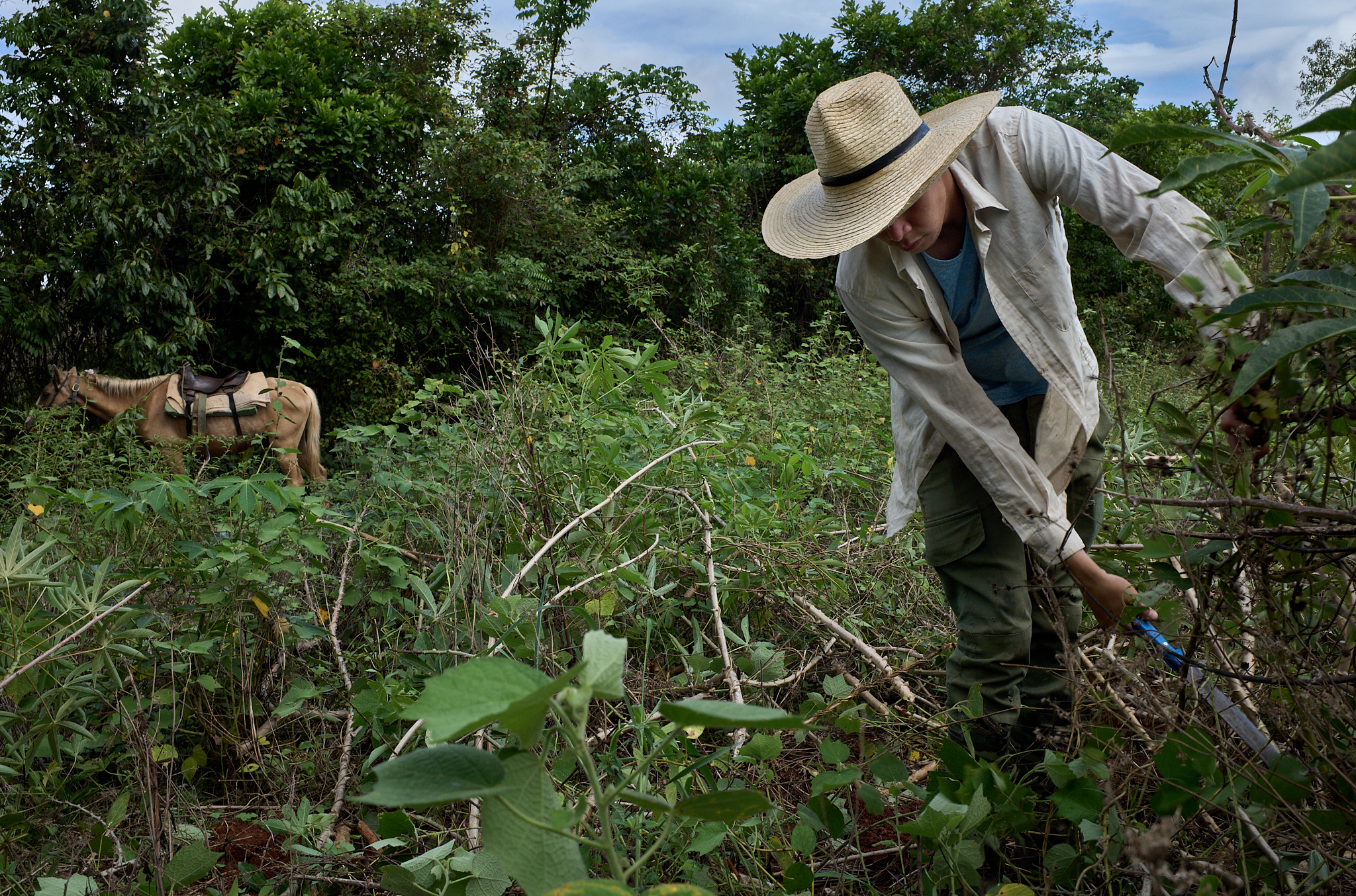
The farm contains their entire history.
And yet legally, it belongs to someone else, the government.
⸻
The Ninety Percent
Tobacco farming here operates under a rule everyone knows: The government takes ninety percent of the crop.
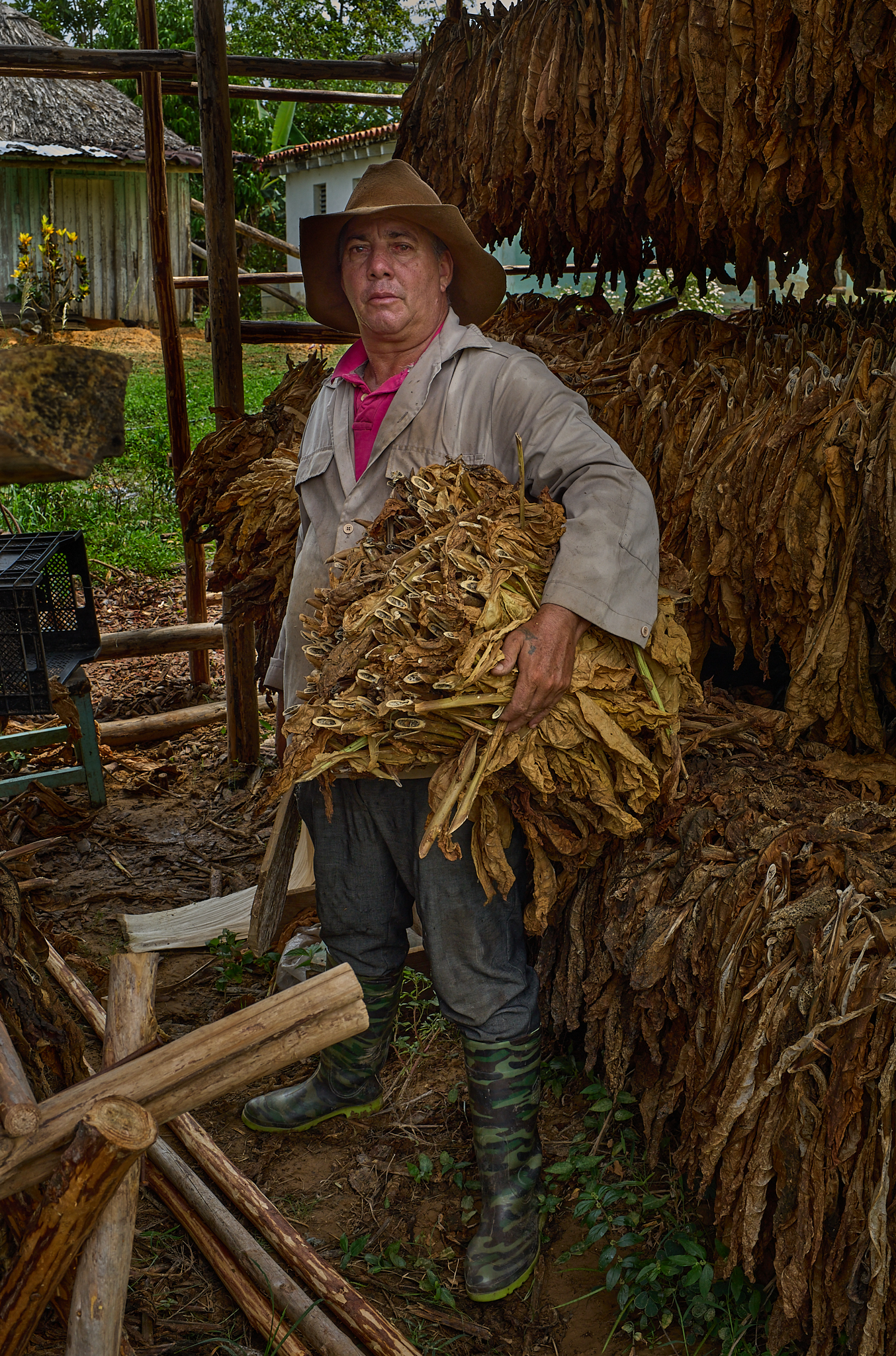
Inspectors arrive to measure and record the harvest. The tobacco leaves leave the farm and travel to state factories where they eventually become Cuban cigars sold around the world.
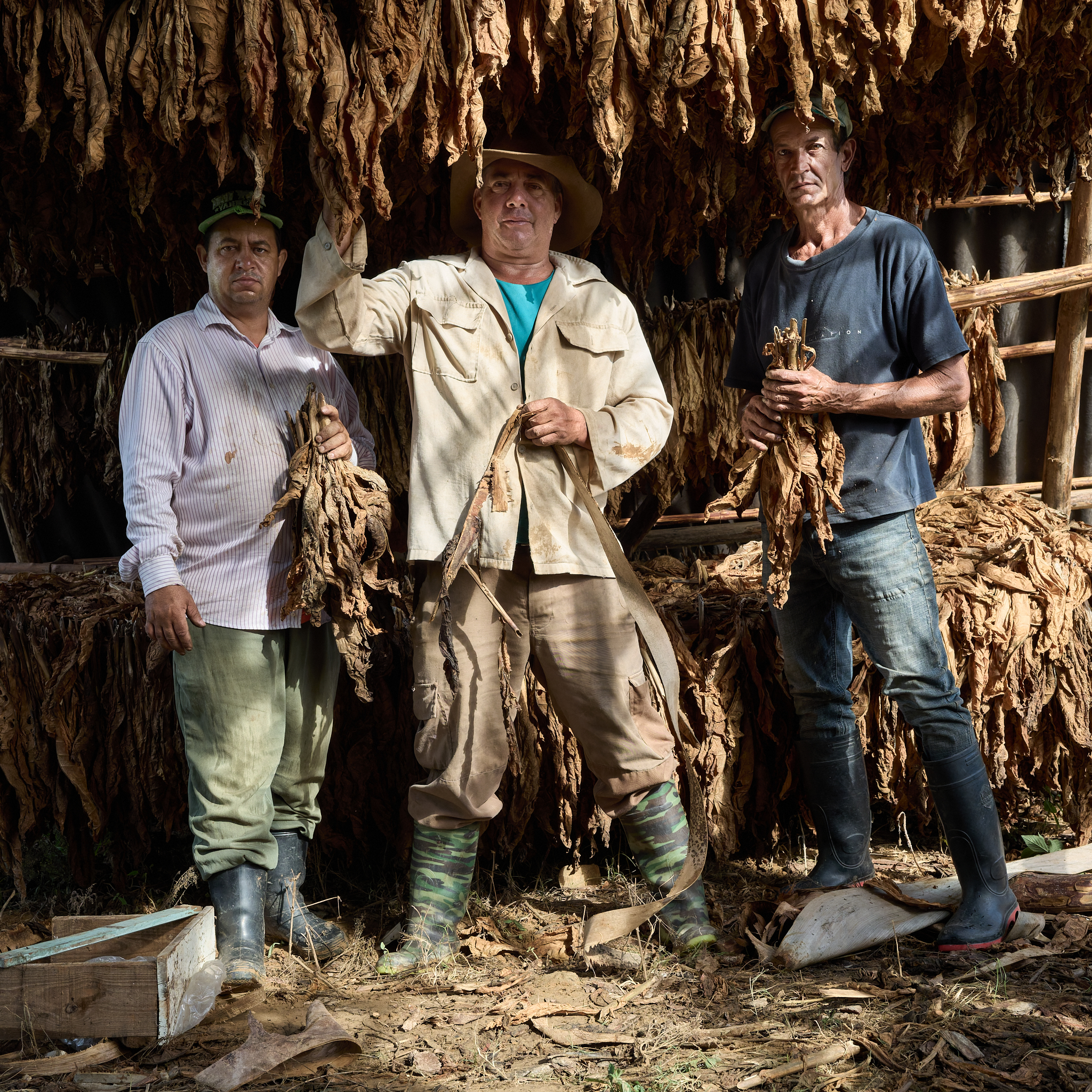
That 90% is not simply a suggestion. Government oversight ensures the quota is met. Inspectors monitor production and collection, funneling the bulk of the crop to state-run factories like the one in Santa Clara, where cigars are manufactured for export and state profit.
In return, farmers receive minimal compensation. What remains — the 10% — is theirs to ferment, roll, and sell directly to tourists. Michel shrugs when asked how he feels about the arrangement: “What can you do?” A pack of ten cigars sells for about $20 at nearby tourist hotels — a modest but essential source of income in an economy where survival depends on whatever slivers the system allows.
Farmers keep ten percent.
That ten percent becomes the family’s small act of independence. They ferment the leaves themselves using honey, lemon, and orange juice. The process takes about forty-five days. Inside the shed the air smells faintly of citrus and smoke.
Those cigars are sold directly to tourists.
Ten cigars for twenty dollars.
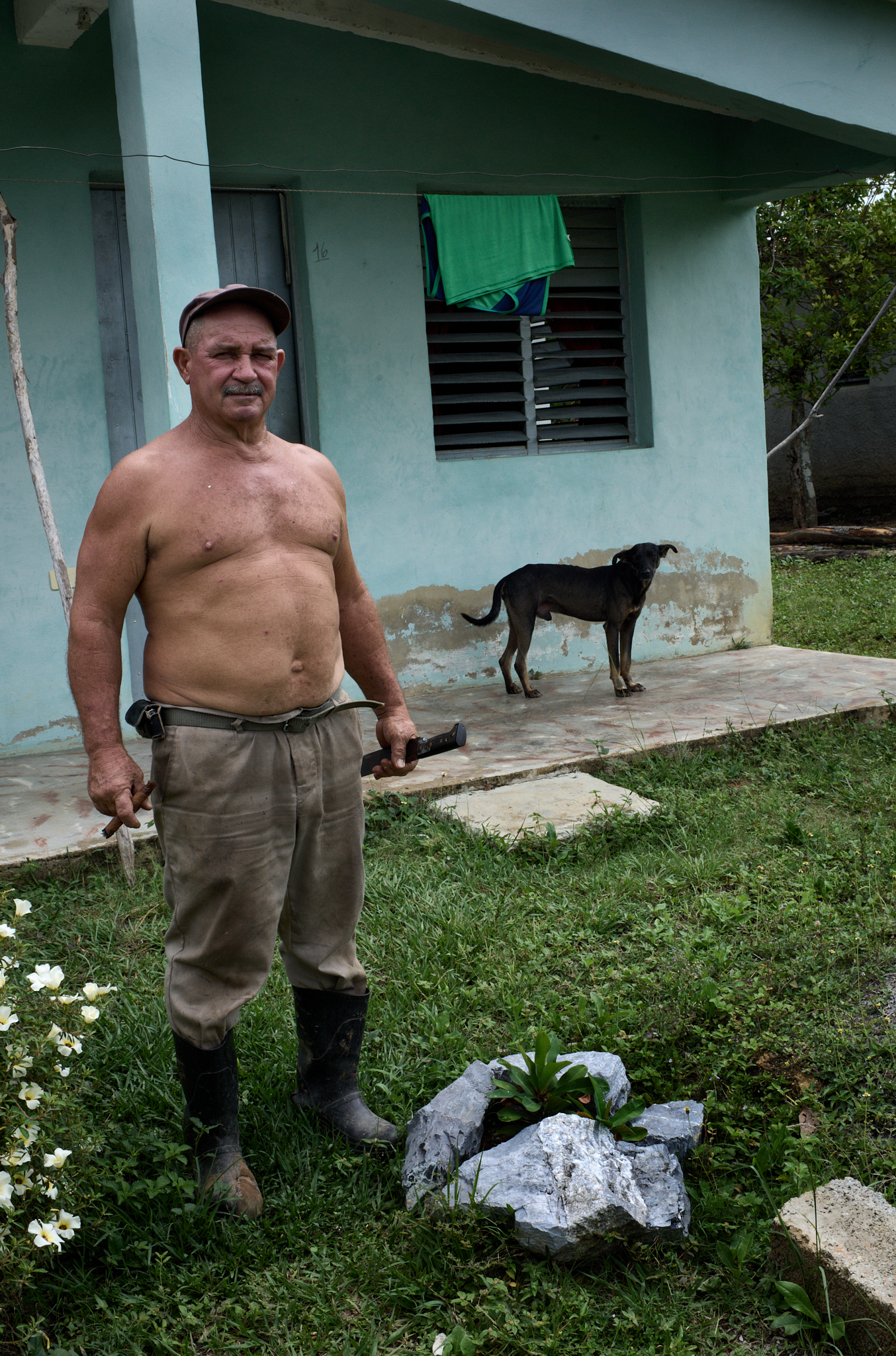
When I asked Michelle how he felt about the ninety-percent quota, he lifted his shoulders slightly and let them fall again.
“What can you do?”
The land cannot be sold.
If the family ever leaves, the government will assign the farm to another family. Generations of work disappear the moment they walk away.
Everything Miguel built would simply remain behind.
⸻
Horses Before Sunrise
Each morning begins the same way.
Before sunrise, one of the family walks into the hills to retrieve the horses where they graze through the night near the spring. By the time the valley begins to brighten, he is already saddling them.
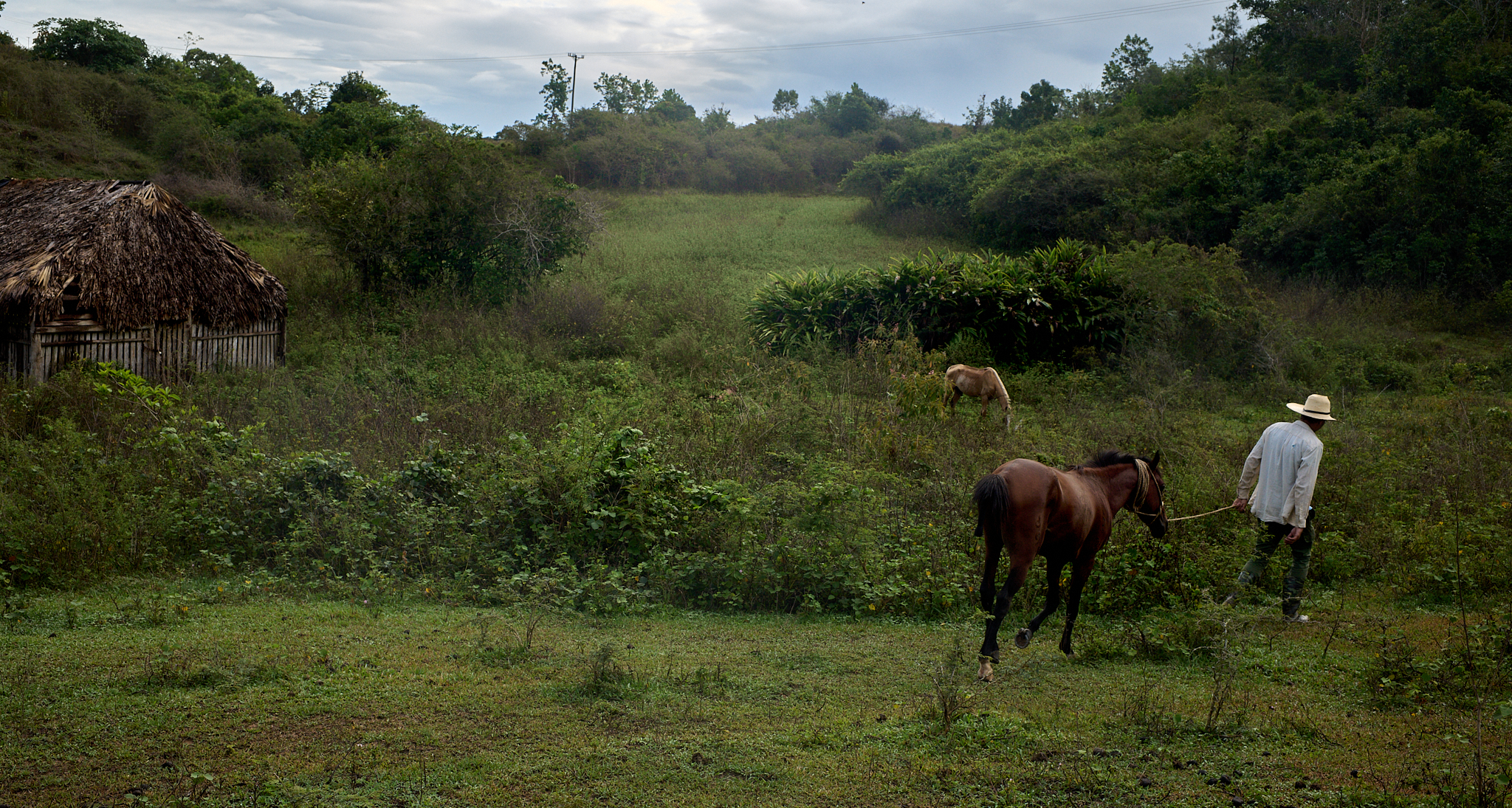
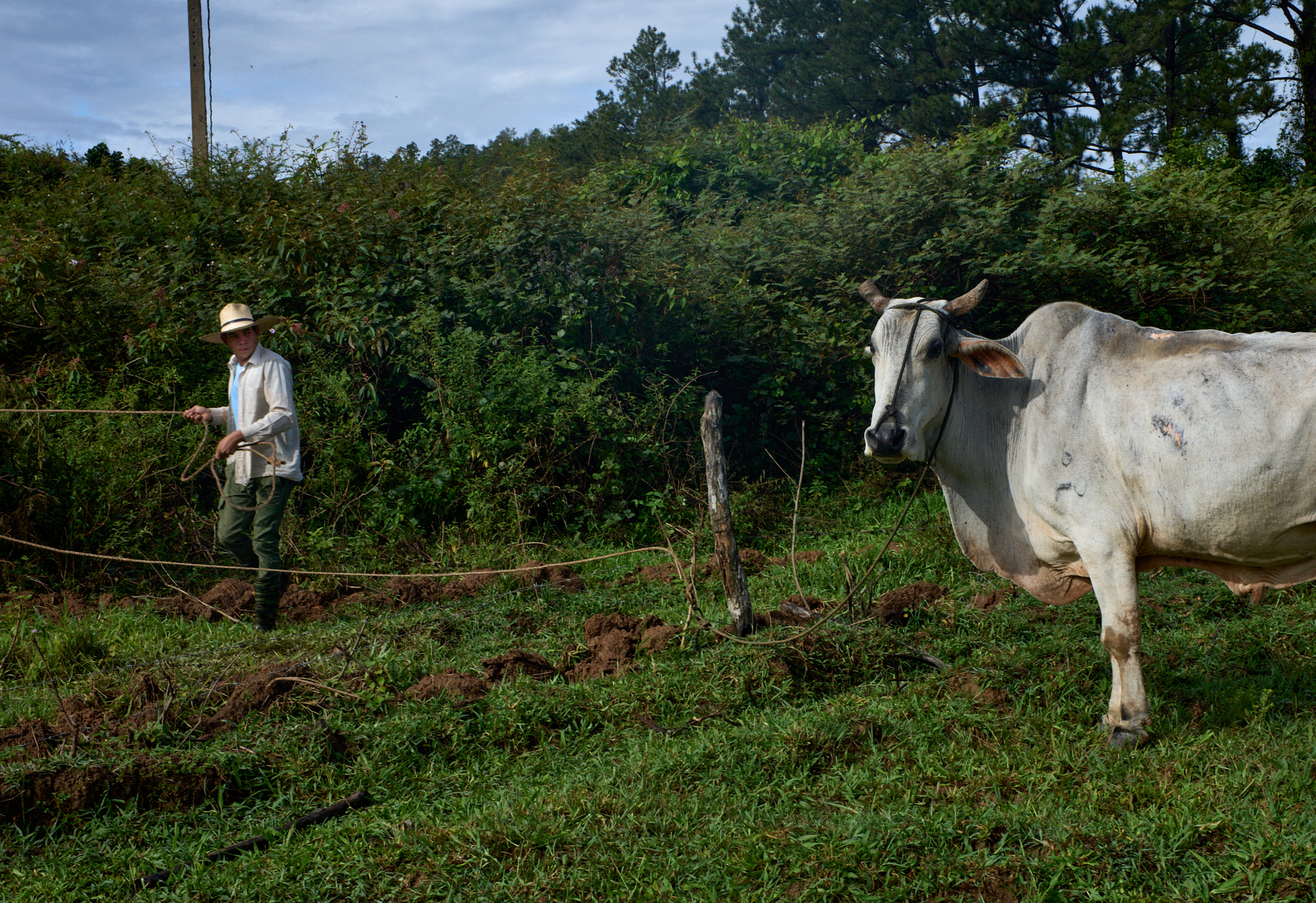
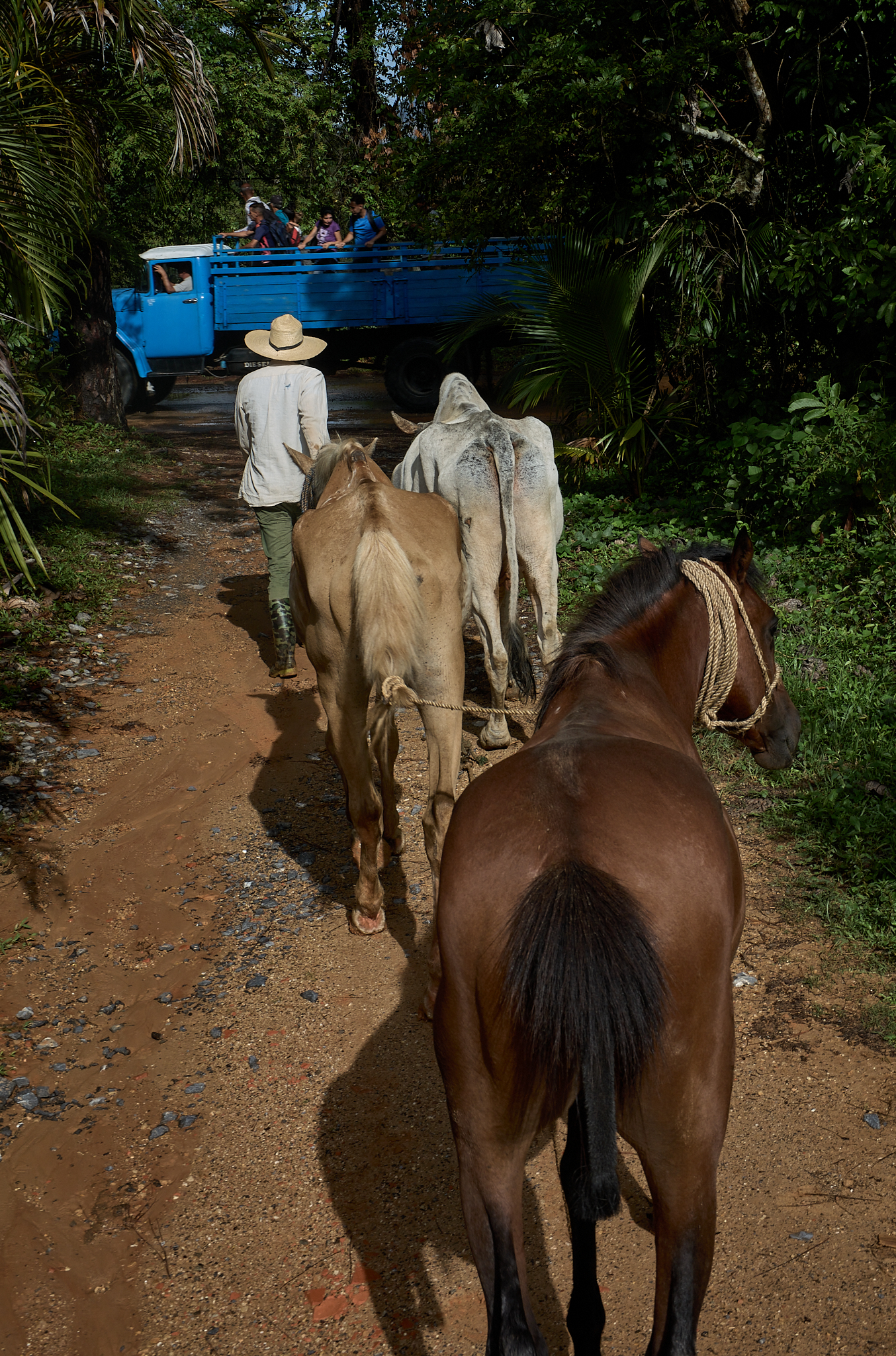
Miguel walks the horses and Ox to a nearby tourist hotel where visitors pay for short rides.
It’s a small part of the family’s income, but it helps.
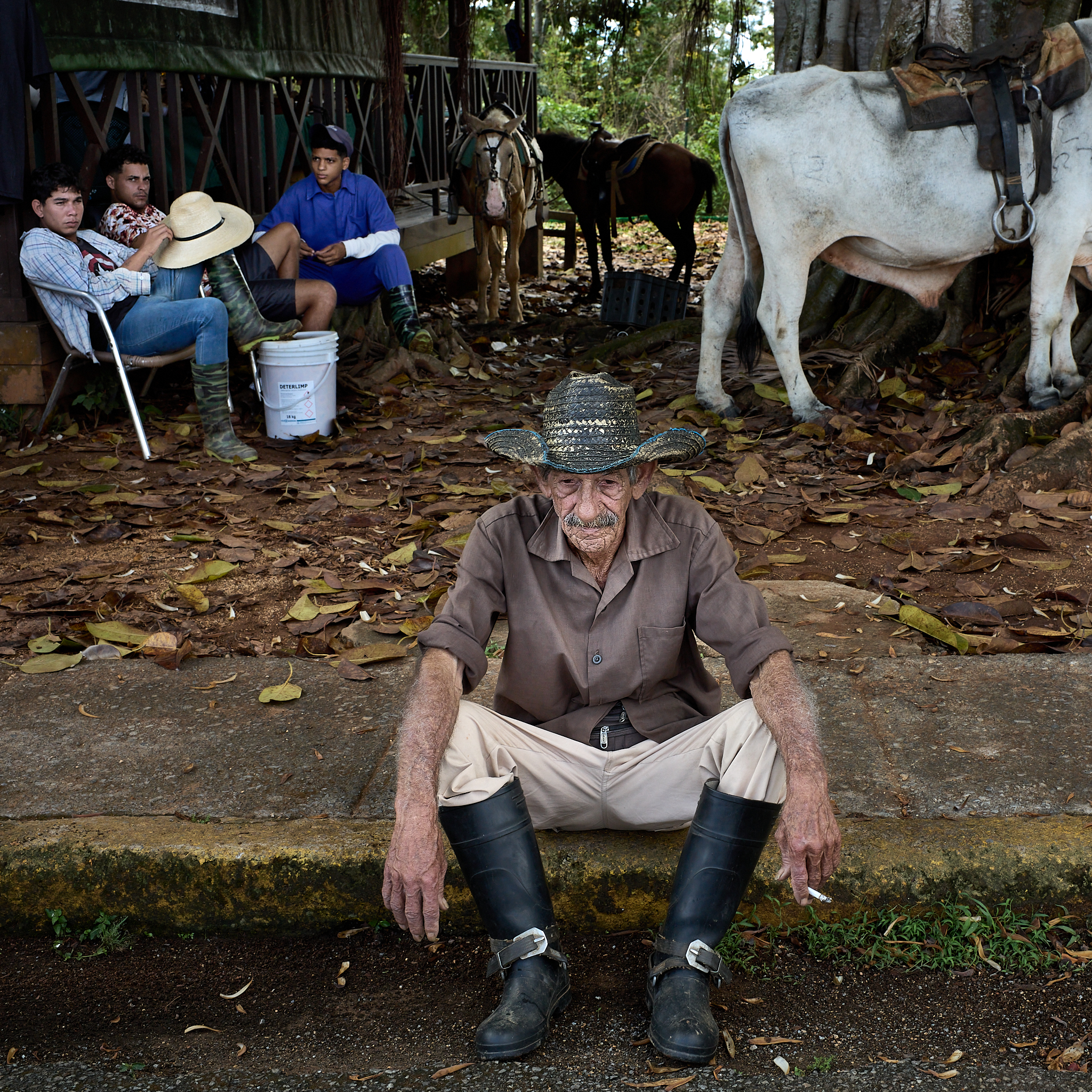
Michelle has ridden horses since he was a child. Once he broke his leg trying to mount one. Later he broke his arm falling again because of riding a horse with the other broken limb.
He laughs about the stories now.
Out here, horses are not recreation.
They are routine, reputation, and survival.
⸻
The Children Who Leave
Children from the farm walk nearly two miles each day to school in Viñales.
Classes officially begin at 7:50 in the morning and end at four in the afternoon, though reality often looks different. Teachers sometimes leave early. Power outages interrupt classes. There is no lunch.
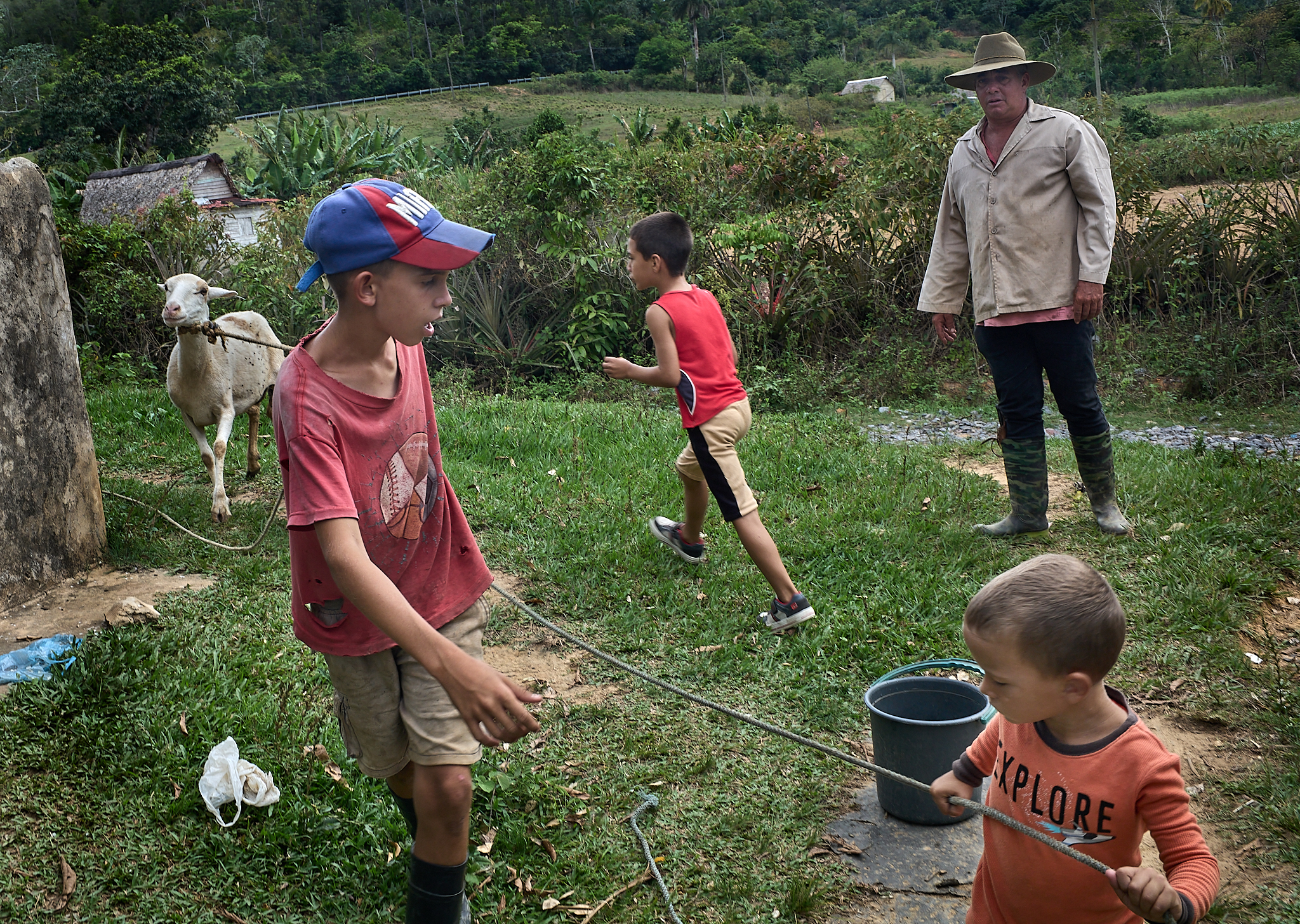
Before Fidel Castro died, there had been a school bus. There had been meals at school. Meat, beans, fruit, even dessert.
Now many children return home before noon, hungry.
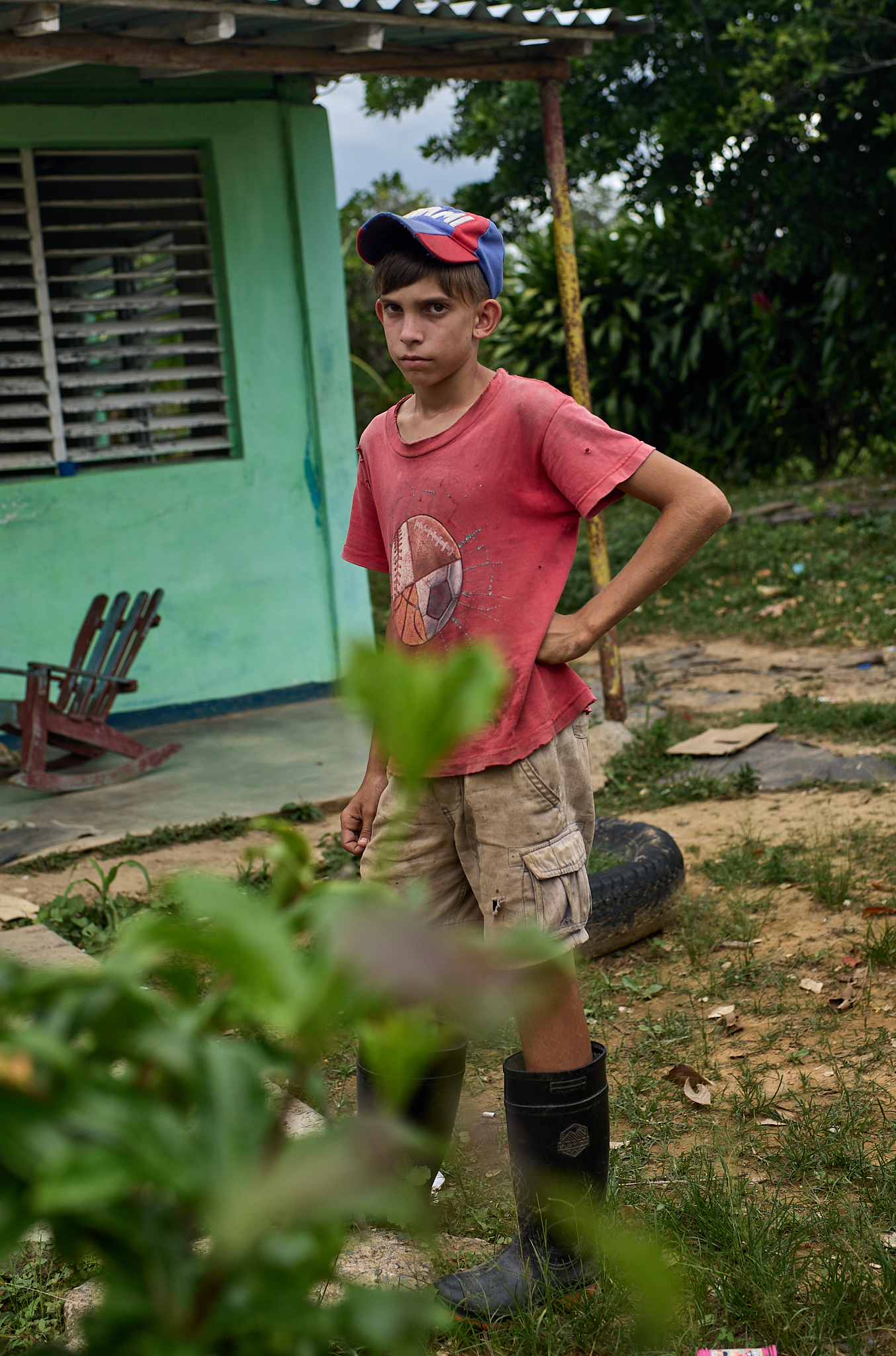
One morning around eleven, the math teacher walked past the farm on the road. The family watched her pass noting that if she was here, she was not in the classroom.
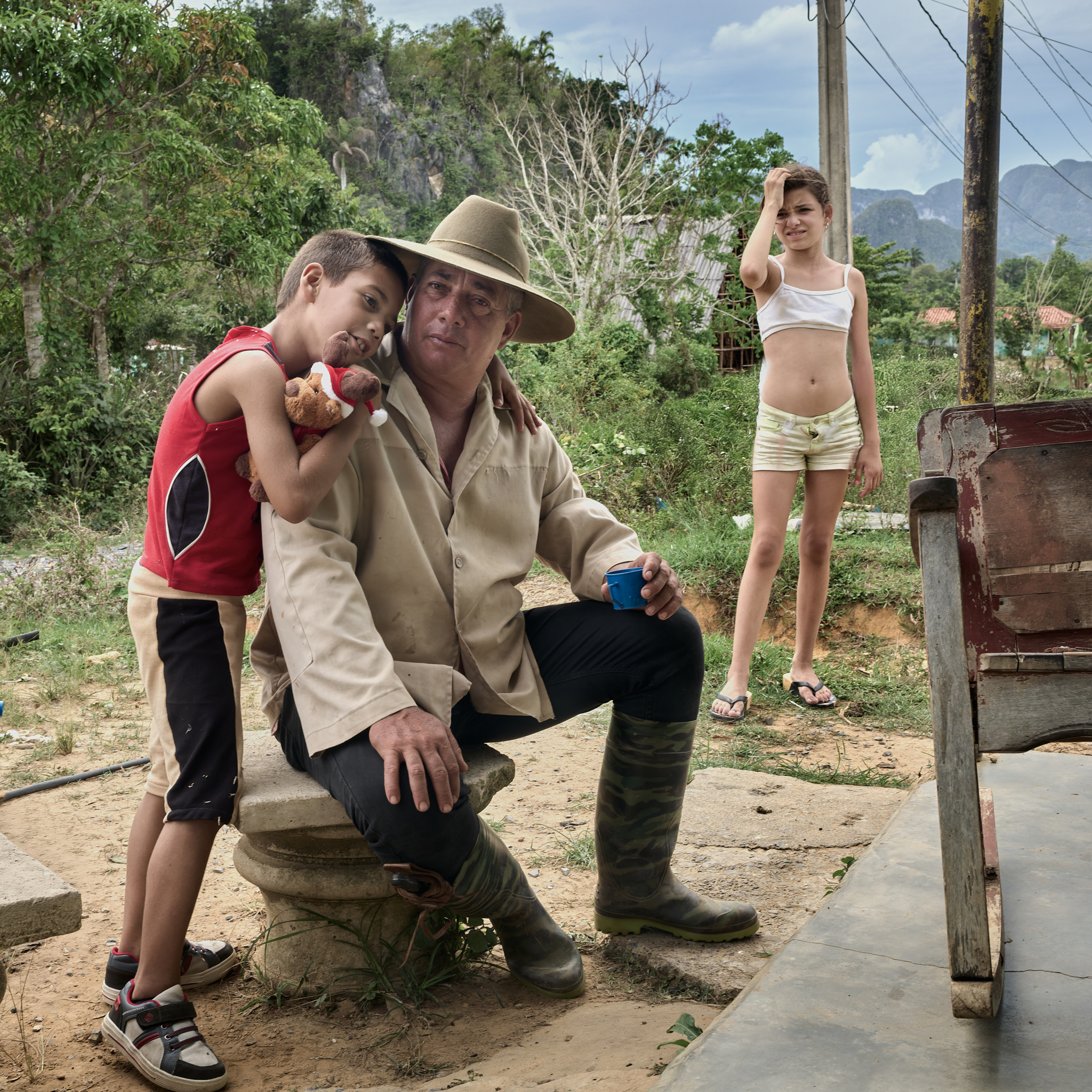
Despite everything, education still represents hope.
Michelle’s daughter recently finished medical school in Pinar del Río. She is now a gynecologist. Her boyfriend, an angiologist, graduated at the same time.
A doctor may earn six thousand pesos a month.
Someone working in a restaurant can make nearly that in a single day.
Many professionals quietly abandon their careers. Not by leaving the country. But by leaving the profession they trained for.
Still, the family is proud of her.
When she first moved to the city for school, her mother left the farm and lived with her for a year so she would not face it alone.
They never described it as sacrifice.
⸻
Water From the Hill
A spring about four hundred yards up the hillside provides water to the entire village.
A pipe drops into the covered source and gravity carries the water down to each home. The water runs cold and clear.
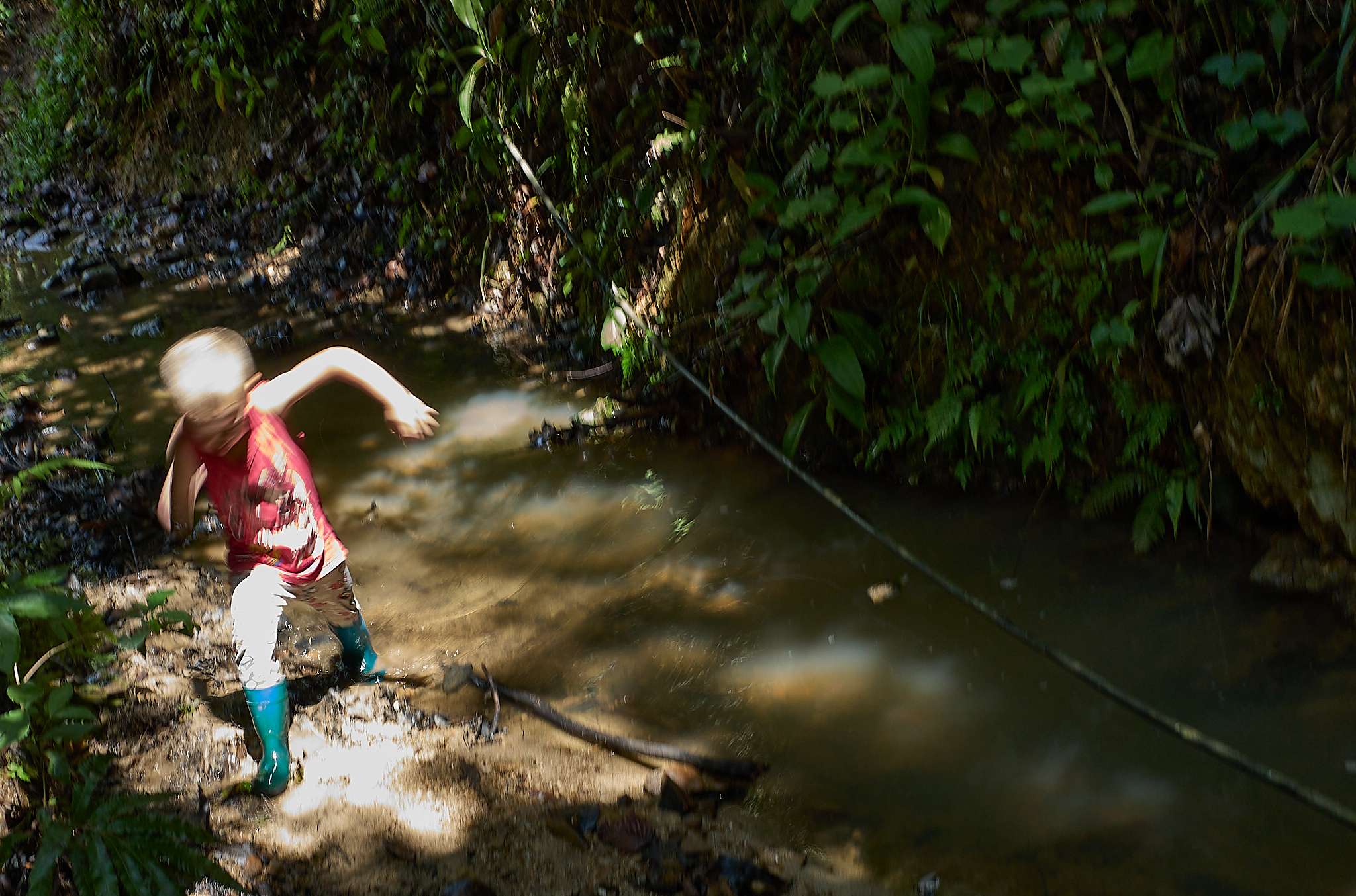
No boiling. No filtering.
During the dry months trucks bring additional water twice a week. It sits in outdoor tanks and costs around three thousand pesos each week.
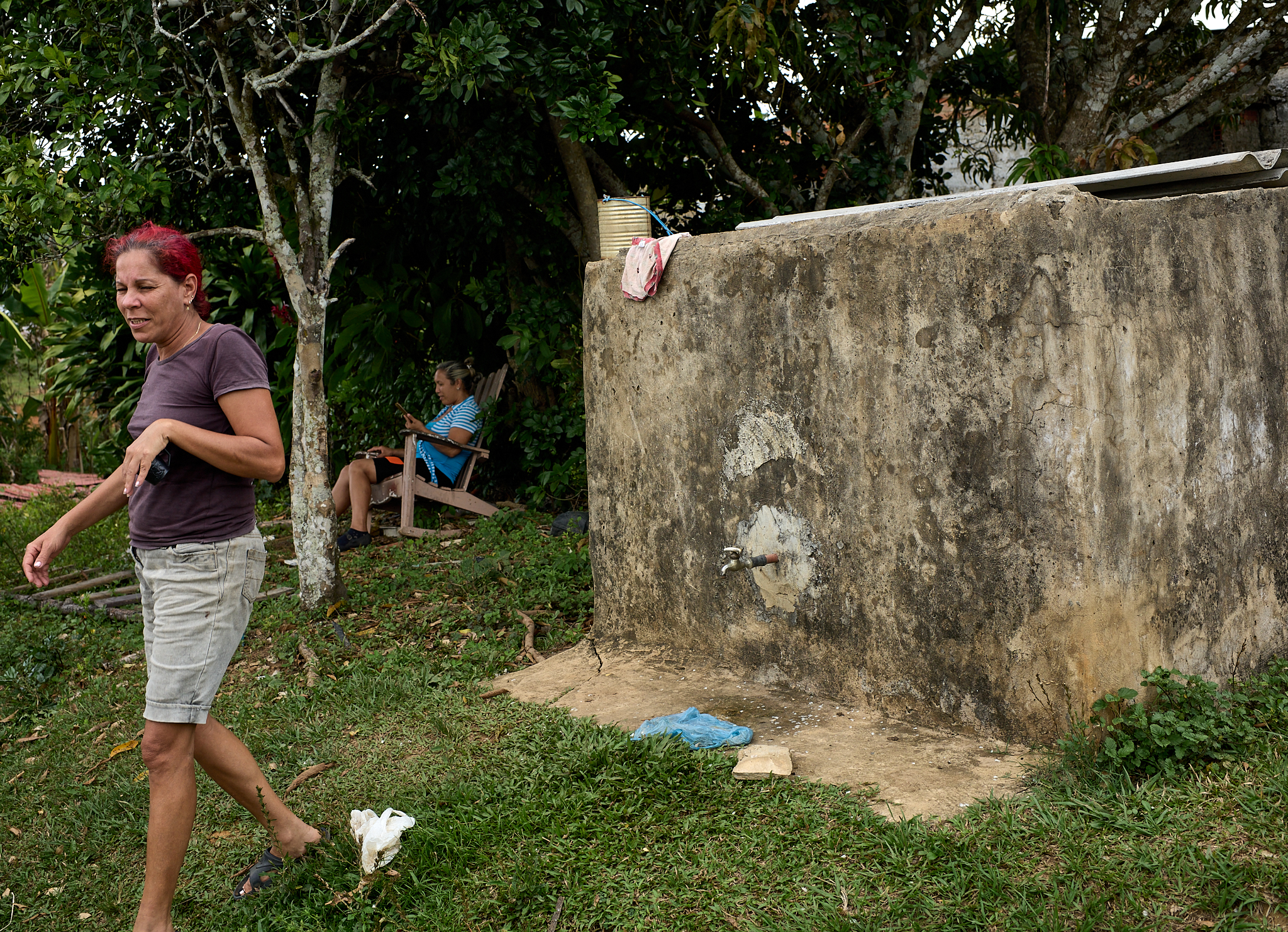
Traditionally in Cuba the first rain of May is the start of growing season and people run out in the rain as a celebration as the rain means the spring will run fully again.
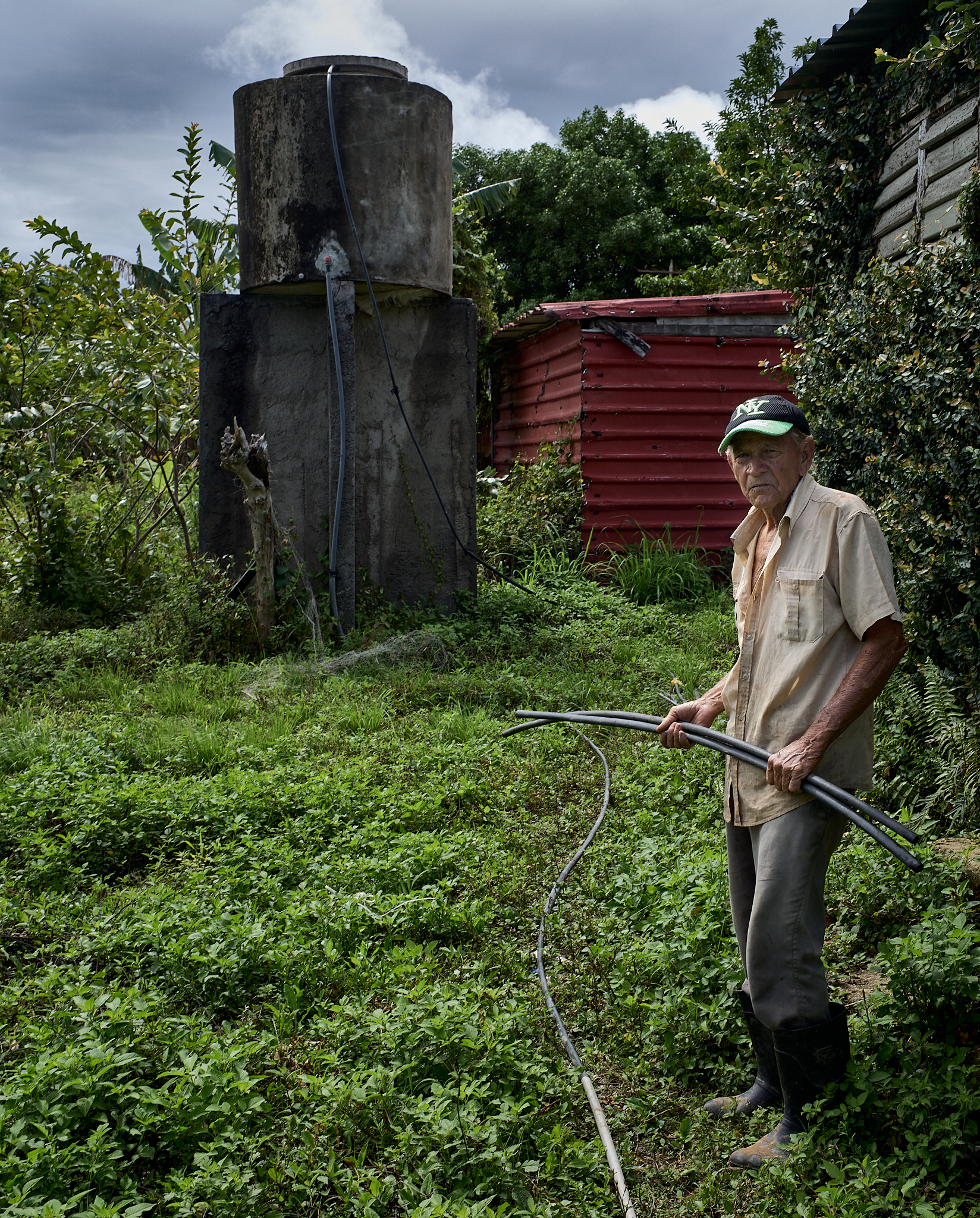
Sometimes the countryside holds advantages the cities do not. In Havana and Santa Clara, most water must be boiled before it can be safely drunk. When if flows at all.
Here the water simply flows from the hill.
⸻
What Remains
From the outside, this life is easy to misread.
The house is sparse. The income is uncertain. The government takes most of the harvest. The land cannot be sold.
But something else exists here too.
The horses still move through the hills every morning.
The water still runs from the spring.
Five generations of one family have lived and worked on this land.
One child has left to practice medicine.
Another will likely remain and farm.
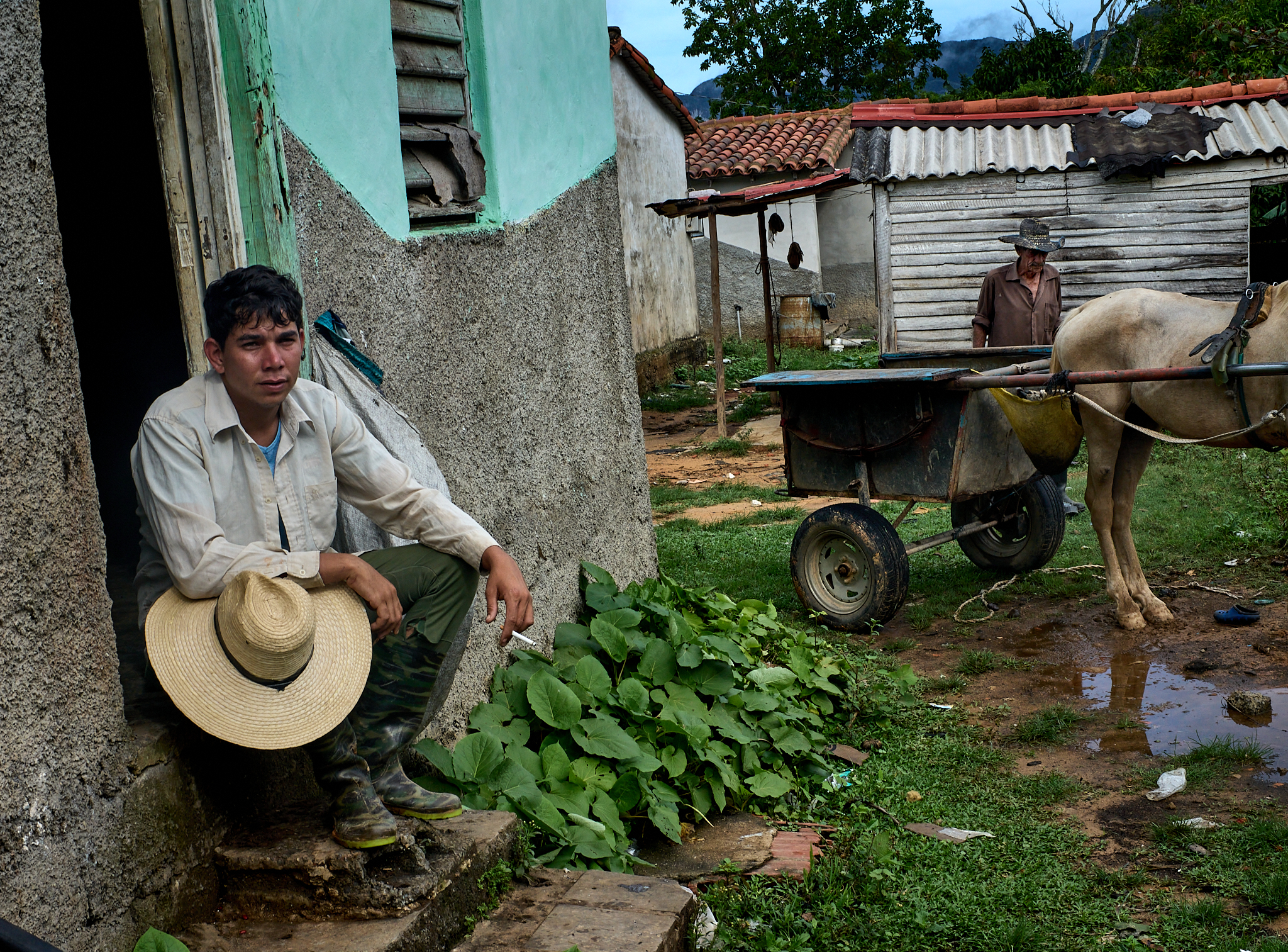
Their future may be uncertain.
But their place in the world is not.
On the day I arrived, the family was mourning an aunt.
Another generation passing.
The farm did not pause.
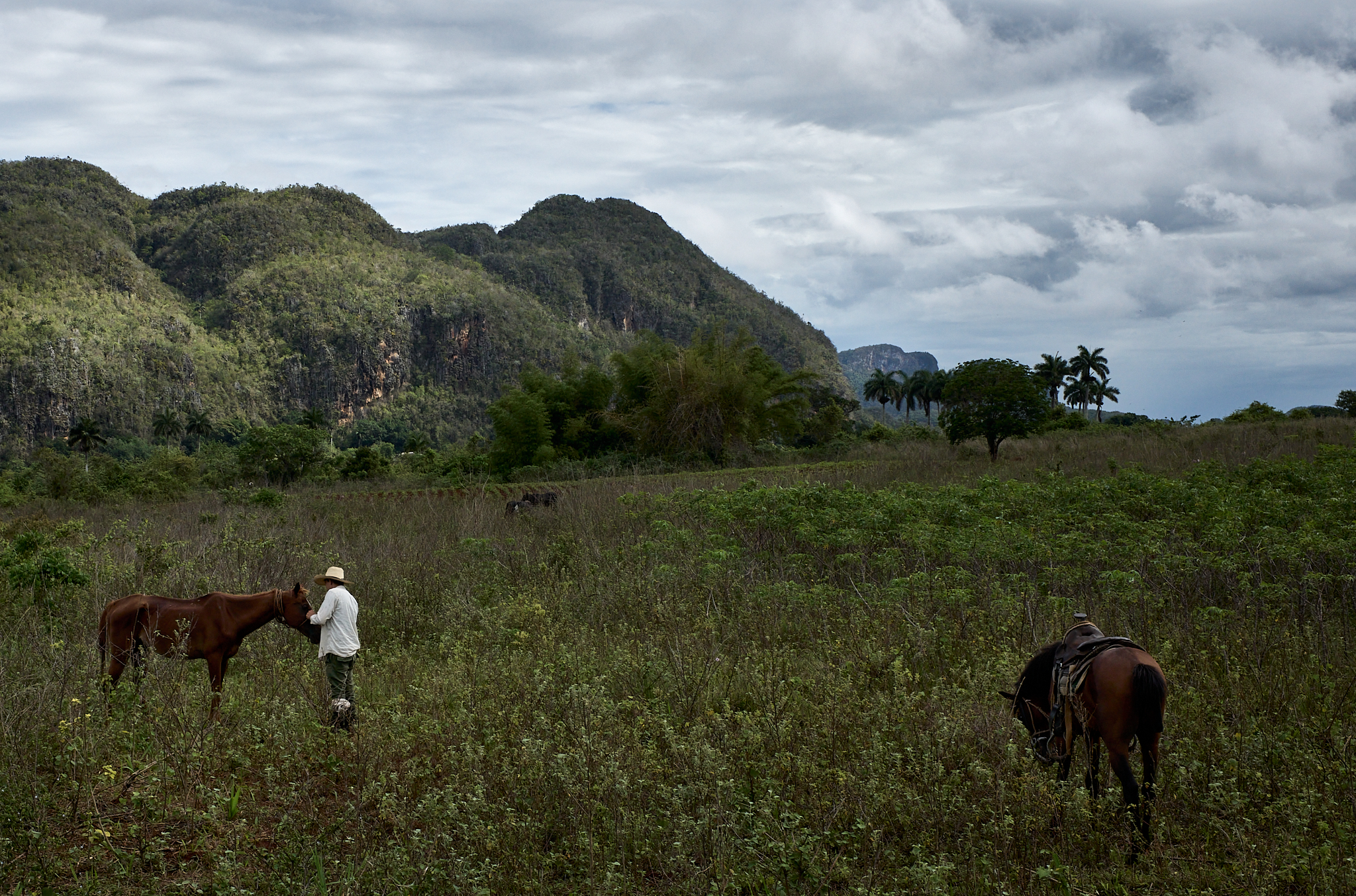
The next morning the horses still came down from the hills.
And somewhere in those fields, another generation was already learning how to stay on land that will never truly belong to them. And for some, there is no place like home.

