
Words and Photographs by Thomas McCartney
Trauma can strike not just individuals but “the basic tissues of social life,” damaging the bonds that hold a world together. What is lost is not only people or property, but “the community’s sense of itself.” It is this deeper rupture, the collapse of shared assumptions about tomorrow, that feels like mourning the version of the world we thought our children would inherit.
— Adapted from Kai Erikson, Everything in Its Path (1976)
Names have been changed to protect the family’s safety.
It was a bright winter day in Rochester. The kind of clean light that makes everything look safe.
Inside the apartment, the blinds were shut.
I noticed it immediately. The room was dim, even though I could see the sun hitting the snow outside. I asked why they were closed.
“They’re afraid someone will look in,” the father said.
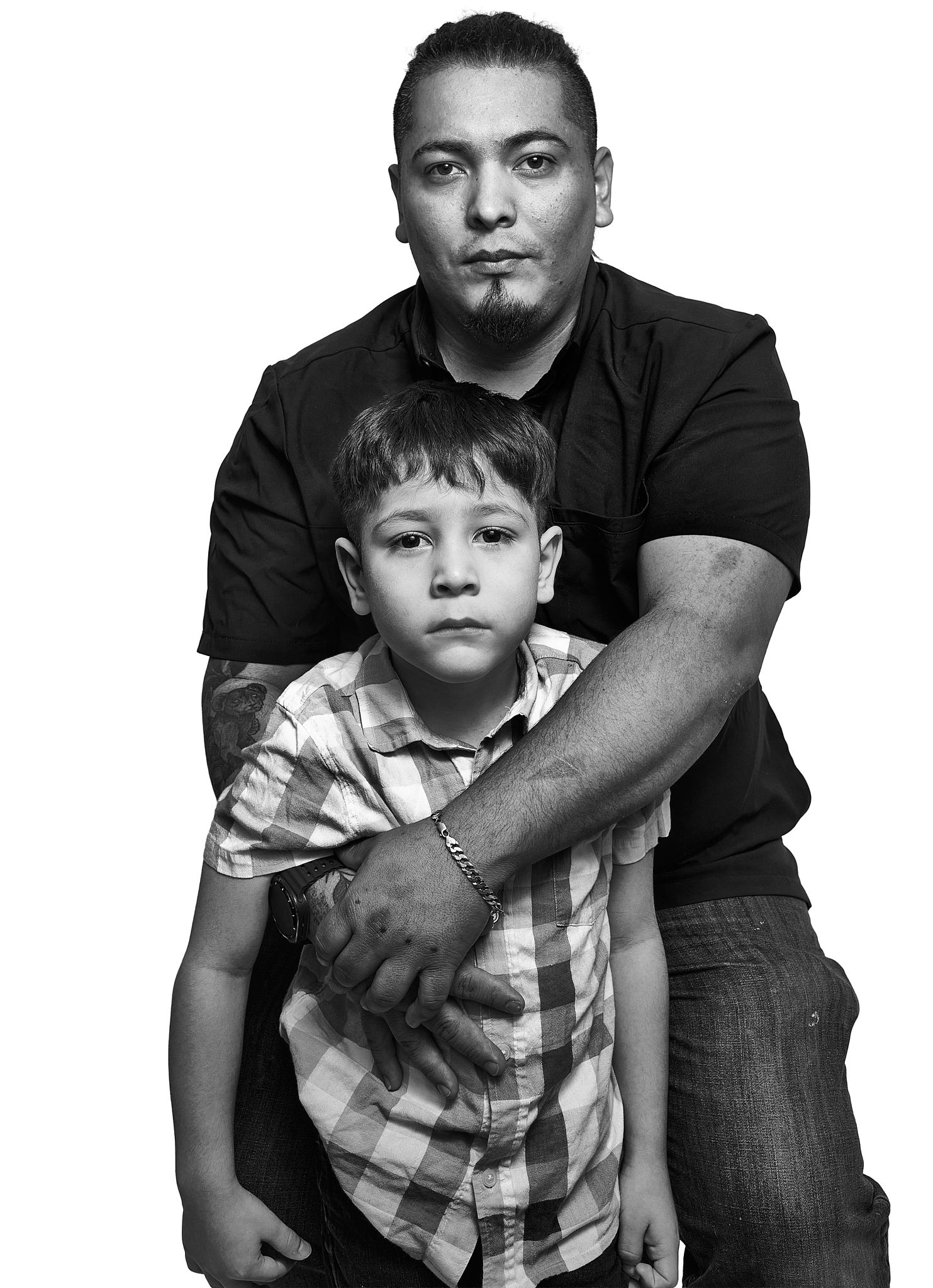
I stood there for a second after that. It was such a small detail, but it told me everything. This wasn’t chaos. This wasn’t shouting or panic. This was the quiet kind of fear, the kind that changes how you live inside your own home.
The father sat across from me. He does not speak English, so he needed translation. They are from Honduras. Neither parent is a U.S. citizen. Two of their four children are.
On February 1, his wife left for work at a hotel.
She didn’t come home.
ICE stopped her. The word the family uses is “abducted.” I don’t correct them. That’s the word that feels right to them. She was taken first to what they called “the cold room”, about thirty people, one bathroom without a door, and eventually transferred to the Karnes County Immigration Processing Center in Texas.
He cannot call her. She calls him. To make those calls, she needs minutes. They send money so she can talk to her children.
As he explained this, he wasn’t angry. He wasn’t theatrical. He was steady. That steadiness felt heavier than shouting would have.
The baby no longer sleeps well. She used to sleep with her mother. She was breastfeeding. Now she is on formula. Now she wakes at night.
“She misses her mom,” they say.
I’ve photographed and told stories about riots, poverty, resilience. But something about a baby not sleeping because her mother is in detention hits differently. It’s not political at that moment. It’s just human.
They left Honduras in 2019. When I asked why, the answer came quickly: Gangs. Extortion. Violence so common it becomes routine.
They described what they called a “war fee.” A note slipped under the door demanding money. If you go to the police, the police inform the gang. Then you’re killed.
You stay silent. You cope inside your family.
She believed she had left the violence behind on the journey north. Now she is weighing whether it is safe to go to school in a country that once felt safe.
Sofia is fourteen. She translated some of her father’s words as we spoke. She remembers Honduras clearly: fear at six years old, not being allowed to go outside freely, the constant presence of gangs and violence, and a violent mugging she experienced herself. It wasn’t one moment. It was a condition of life. She doesn’t describe it dramatically. But it sits in her face when she talks.
Now she speaks fluent English. She wants to study, graduate, become a nurse.
When she described her life, then and now, I thought about how many fourteen-year-olds I know whose biggest worry is an exam or a social slight. She believed she had left the violence behind on the journey north. Now she is weighing whether it is safe to go to school in a country that once felt safe.
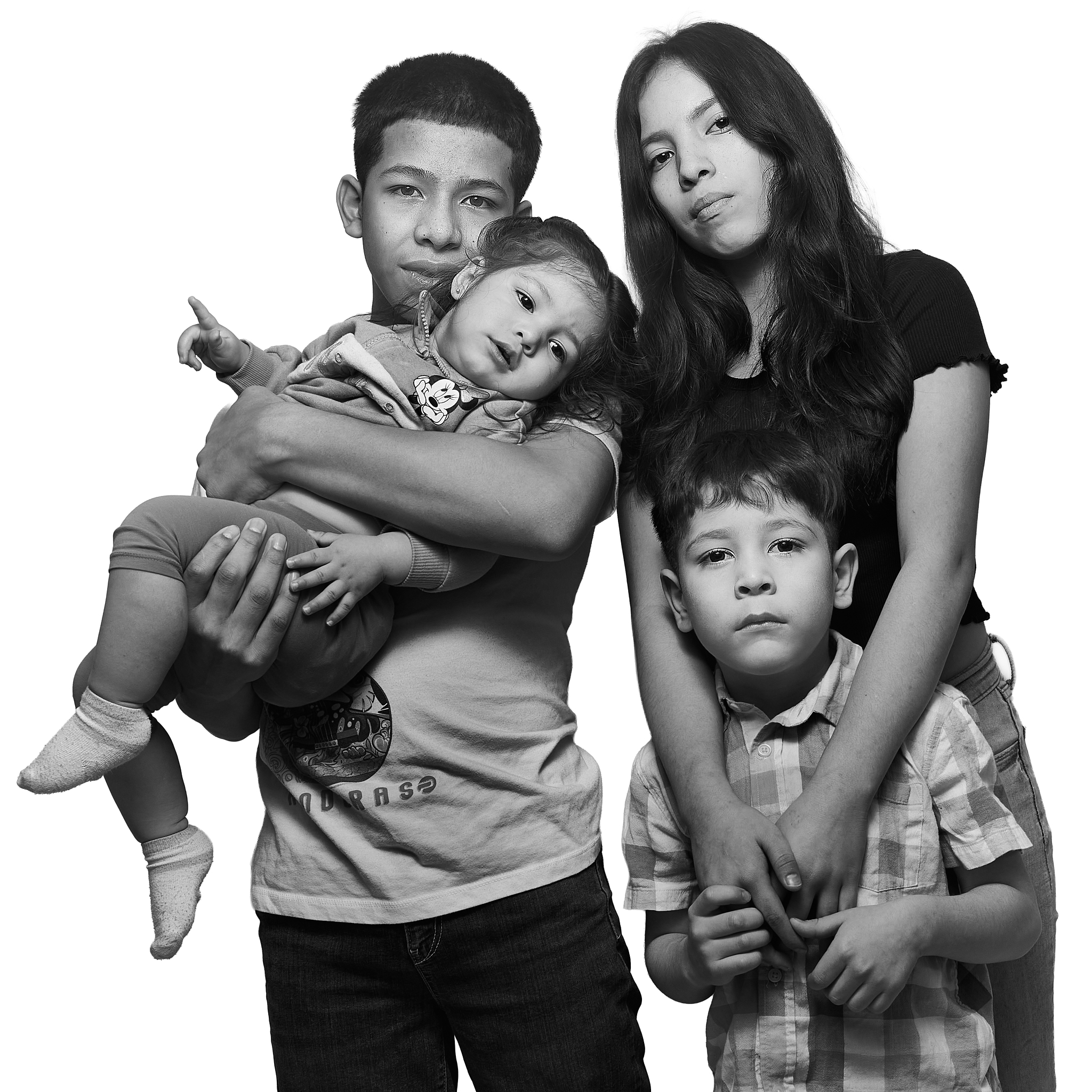
The journey north was not abstract. They paid gangs to move them. Paid for rides. Paid to stay in rooms for a night or two. Sofia described being inside a tractor trailer with others, pressed tight, hiding when Mexican police stopped them. At times, the doors would open briefly for air. It was hot. She was smashed between adults.
Her father had to choose which children to bring. He left two sons behind in Honduras because they were too young. His former partner was pregnant at the time. He has never met that child.
When he said that, the room went quiet. The sacrifice was real.
He sends money twice a month to support them. He is proud of that. That pride matters to him. Providing matters.
Why come here?
“The American dream,” he said.
He worked roofing jobs in Florida. His hands and knees were damaged because his employer didn’t provide protection. Eventually, they moved to Minnesota. Rochester felt safe. They left their door open. Left keys in the car. Participated in police events at the trailer park. He worked. He wasn’t afraid.
He felt free.
As he described that period, I realized something: the contrast is what makes this unbearable. It’s not just that his wife is detained. It’s that they had tasted safety.
Now the blinds stay shut.
He still goes to work. He has to. Rent must be paid. Money must be sent to Texas so his wife can call. Money must be sent to Honduras to support his children and parents there.
White neighbors drive him to work so he doesn’t risk driving himself. His hotel owner helps. He speaks about them with gratitude. He worries about how much strain this puts on his boss.
There’s no bitterness when he says this. Just calculation. Survival.
Sofia attends school online because she is afraid.
“They could take us to get to him,” she says.
When she said that, I felt something shift in me. This is not just about enforcement. This is about children carrying the weight of adult decisions.
I asked her what she would say to other kids in her situation.
She didn’t hesitate.
“Spend time with your family. Appreciate them. Be safe. Go online [for school] if you have to. Don’t take the risk to lose your family.”
There was no drama in her voice. Just maturity that feels too early.
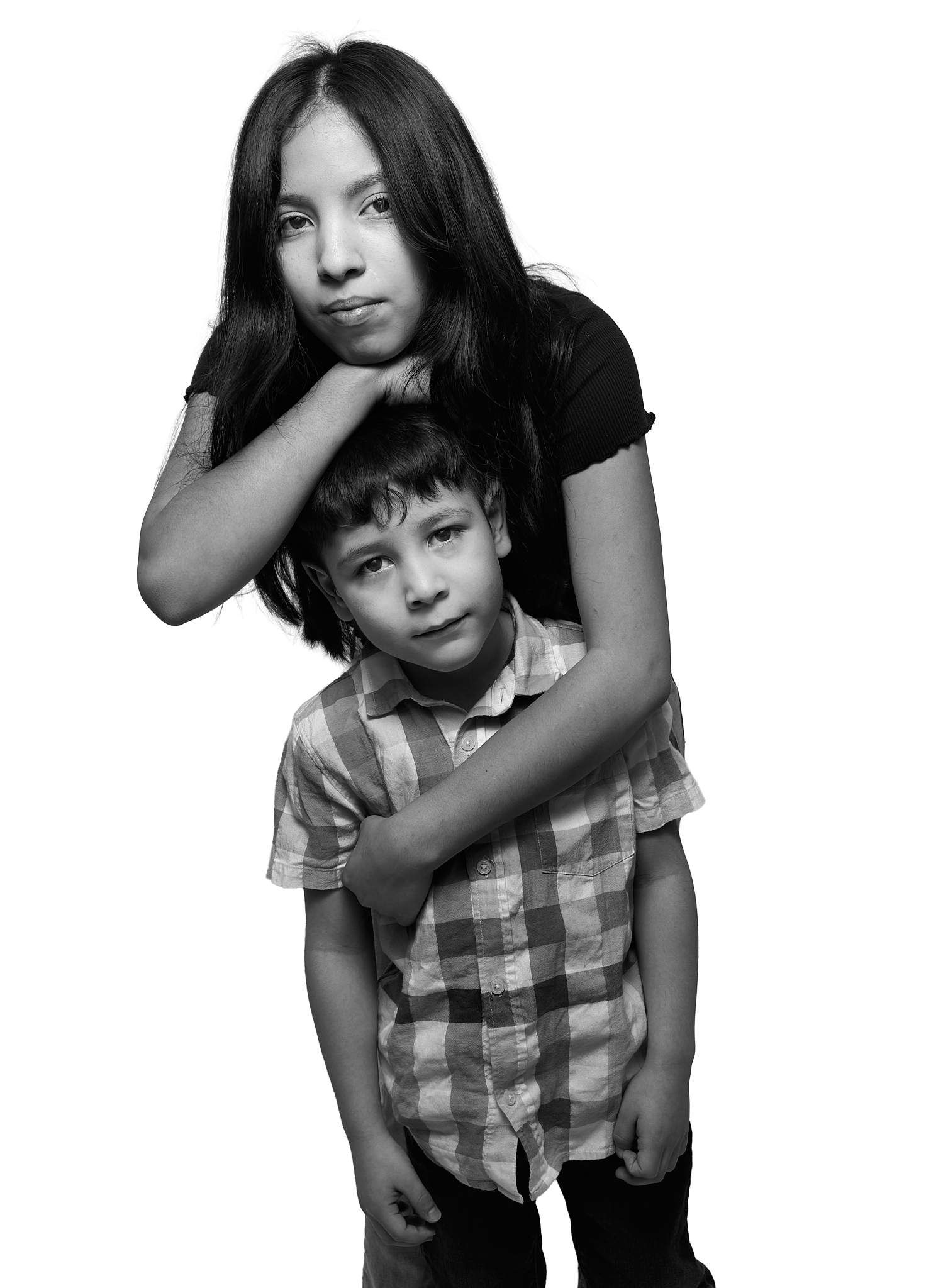
At one point we laughed. The father admitted he doesn’t cook as well as his wife. The kids agreed immediately. The laughter was real. It cut through the heaviness for a moment. I remember thinking how fragile normalcy can be—how it survives in small jokes.
Before I left, I asked him what message he wanted people to hear.
“We are not criminals,” he said. “We are contributing to society, not stealing jobs.”
I didn’t argue. I didn’t respond. I wrote it down.
If they can do this to them, I thought, they can do it to anyone. No matter who you are.
When I stepped outside, the sunlight hit my face hard after being in the dim room. I turned back once before getting in my car. The blinds were still closed.
This isn’t a headline. It isn’t a policy debate in that apartment.
It’s a father sending money so his wife can call home. It’s a baby who won’t sleep. It’s a fourteen-year-old who wants to become a nurse and is weighing whether school is safe.
It’s a family who once left their doors open and is now living behind closed blinds on a beautiful day.
And I can’t stop thinking about the light outside that no one inside can see.
 Documentary Photography and Stories
Leave a comment