I walked past the edge of the tourist zone, and into the town itself. From there, I met people moving through their day: carpenters, cooks, mechanics, people waiting at bus stops. Some shared how they came to be here, and why they stayed. A few told stories of having lived in the United States and being deported—stories that echoed what is unfolding now in places like the Twin Cities.
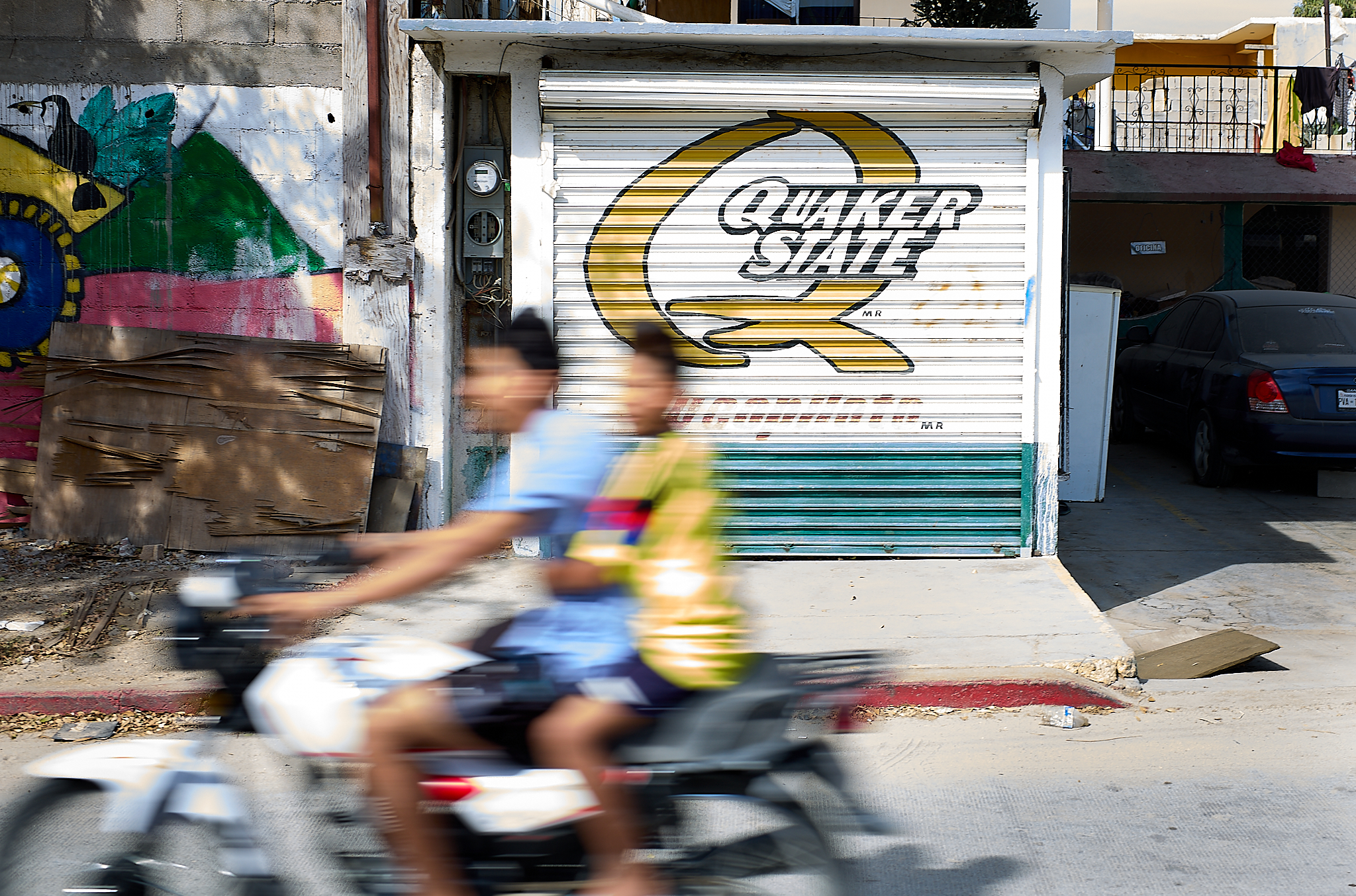
I walked for nearly nine miles, not with a route in mind but as a kind of walkabout—moving slowly, following curiosity, and letting the town reveal itself, block by block. As the hours passed, I realized I hadn’t encountered another foreign visitor the entire time.
Nearly every conversation ended the same way: a handshake, a fist bump, sometimes a hug. Brief moments of trust formed between strangers whose paths crossed for only a few minutes on a January day. This is a Mexico rarely seen from the resort side of the wall.
It reinforced something I’ve learned over decades of travel. Most people, everywhere, are trying to live decent lives under the conditions they’re given. What corrodes that decency is rarely ordinary people—it’s the systems and forces that seek to dominate, exclude, or dehumanize them.
These portraits reflect that quiet truth.
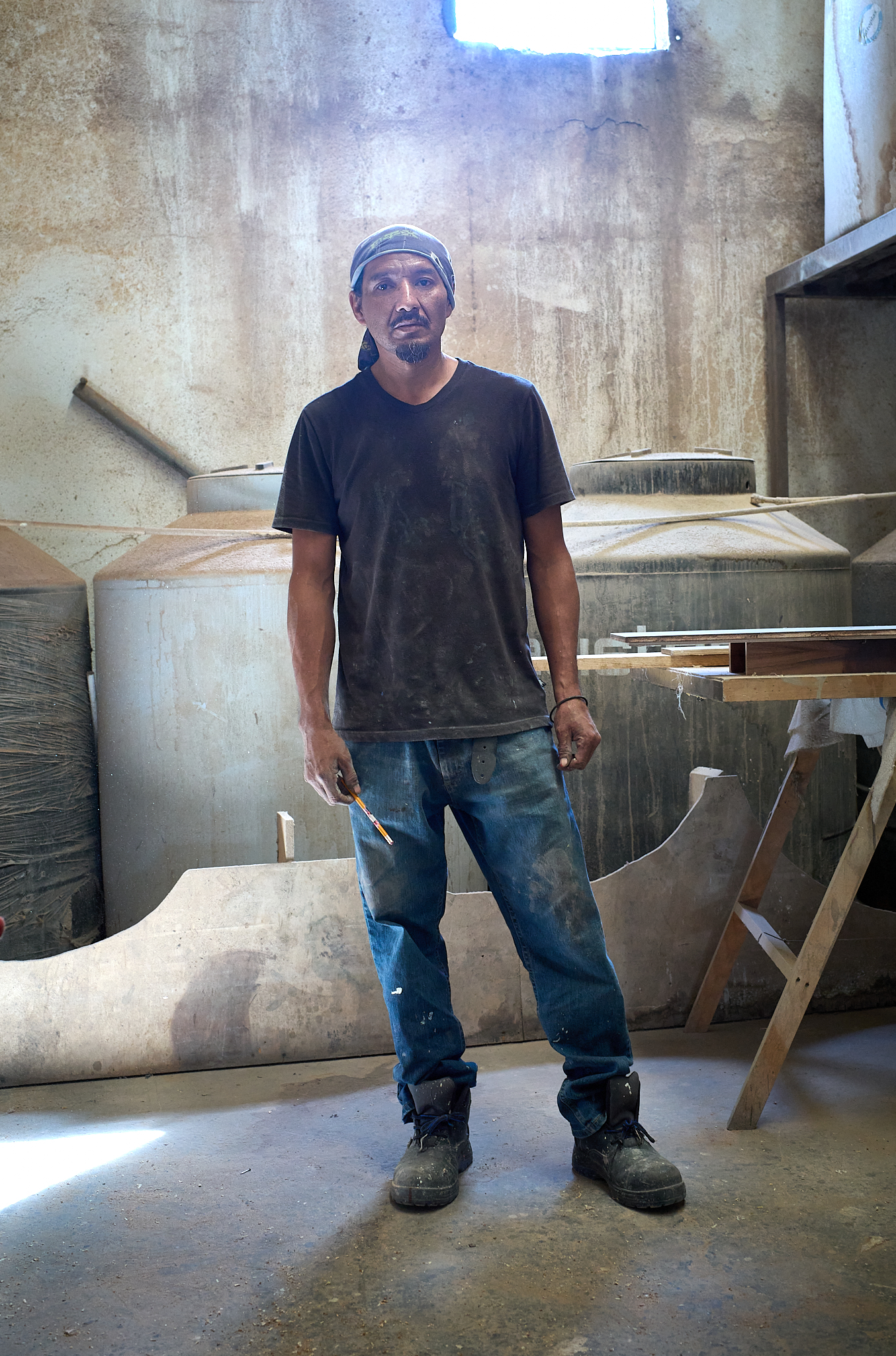
A carpenter takes a moment for a portrait while working on the renovation of an interior space in Cabo San Lucas.
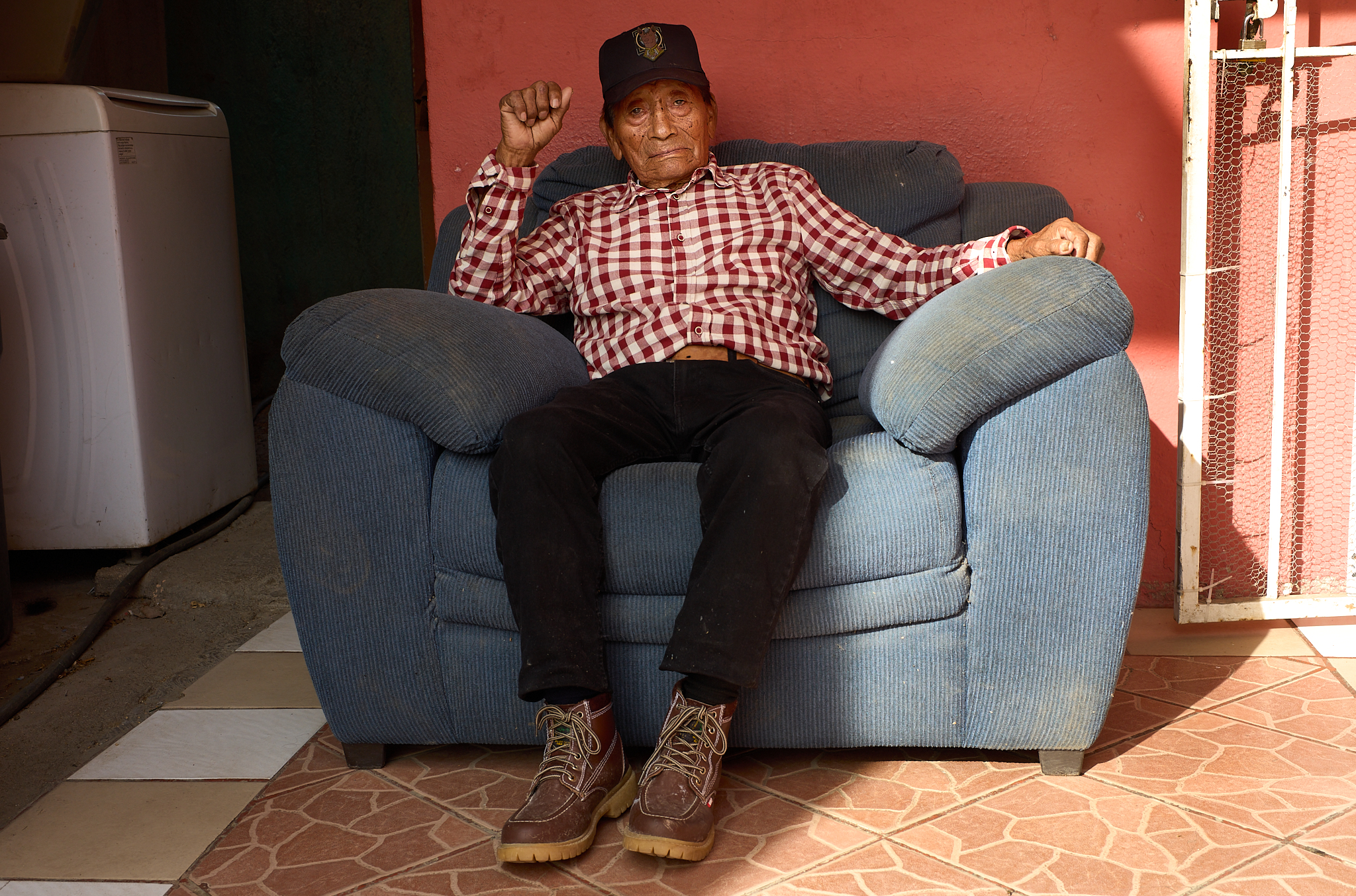
A man rests outside his home in Cabo San Lucas, where his daughter sells poultry from a small storefront at the front of the house, part of the family’s daily work and income.
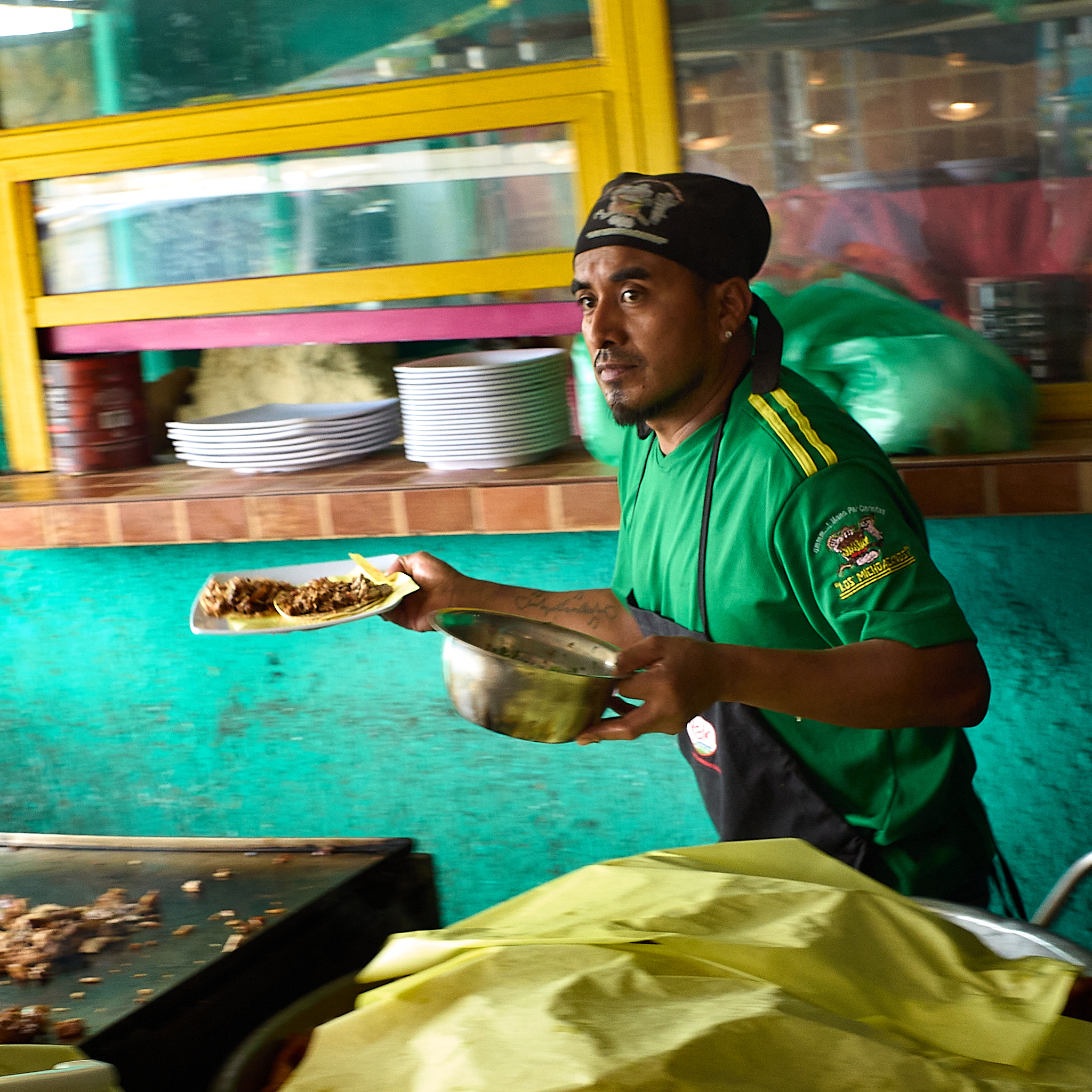
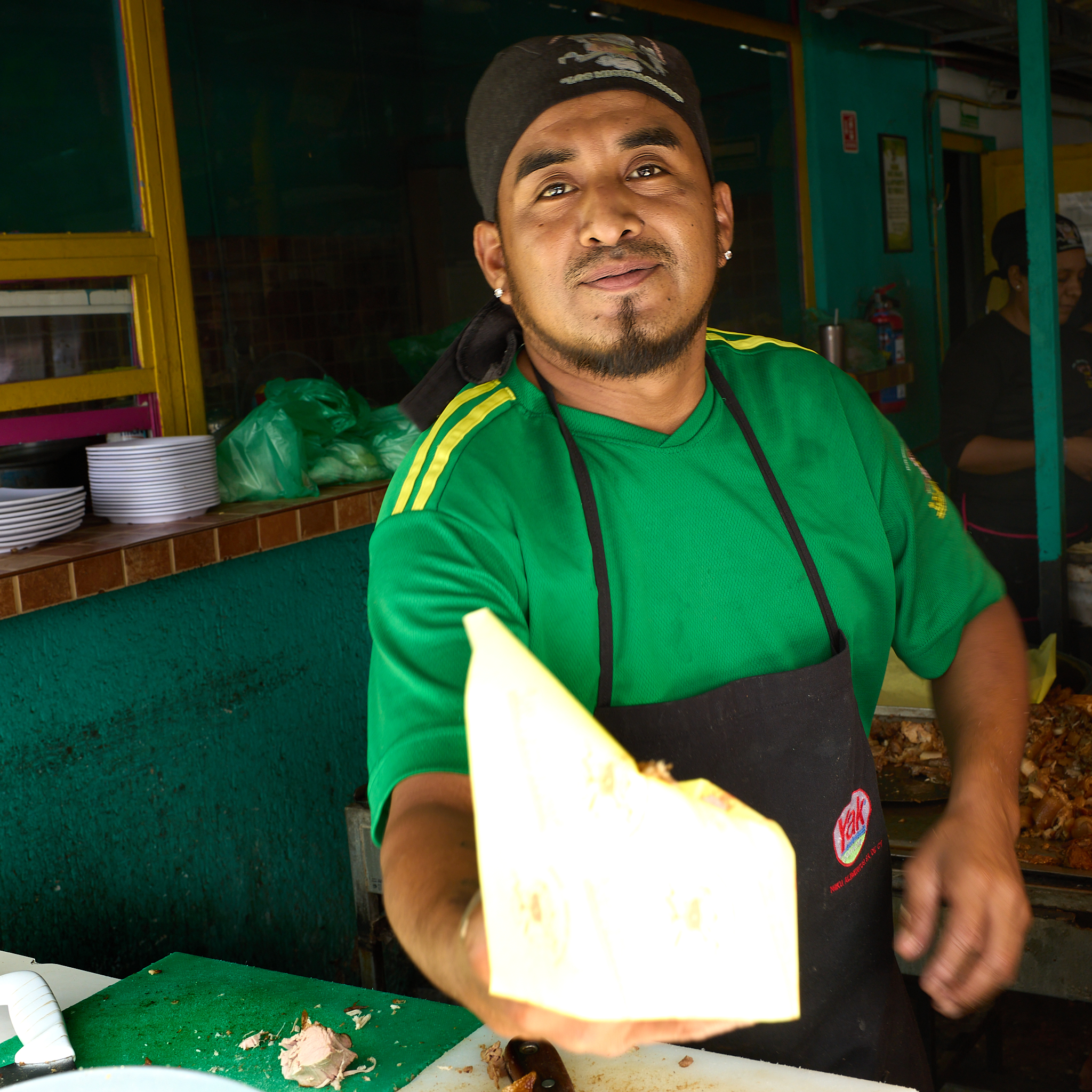
Inside Carnitas los Michoacanos, where food is cooked fresh in front of customers. Orders are taken by ticket, and the cook serves each plate directly during the busy lunch rush.
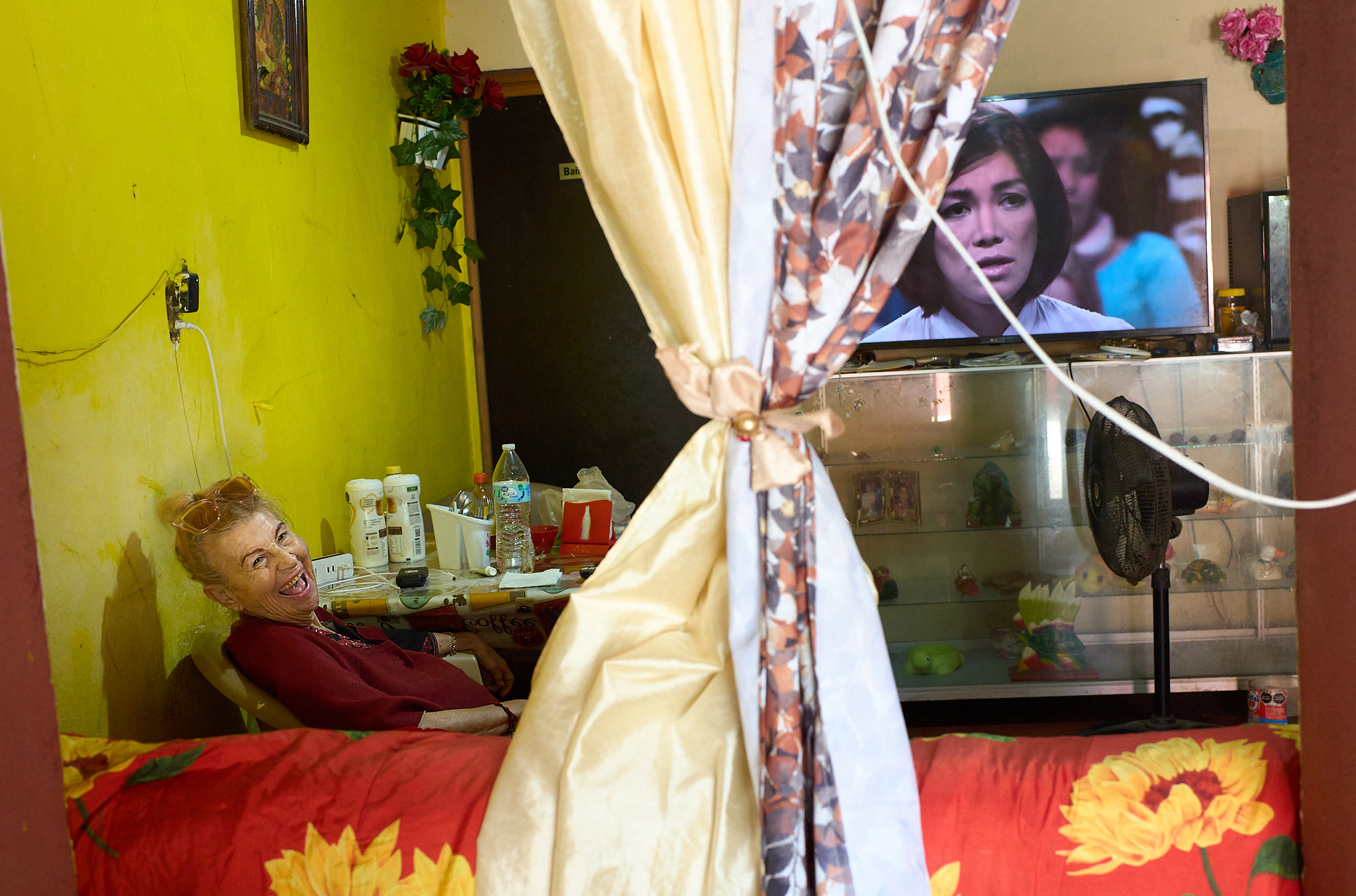
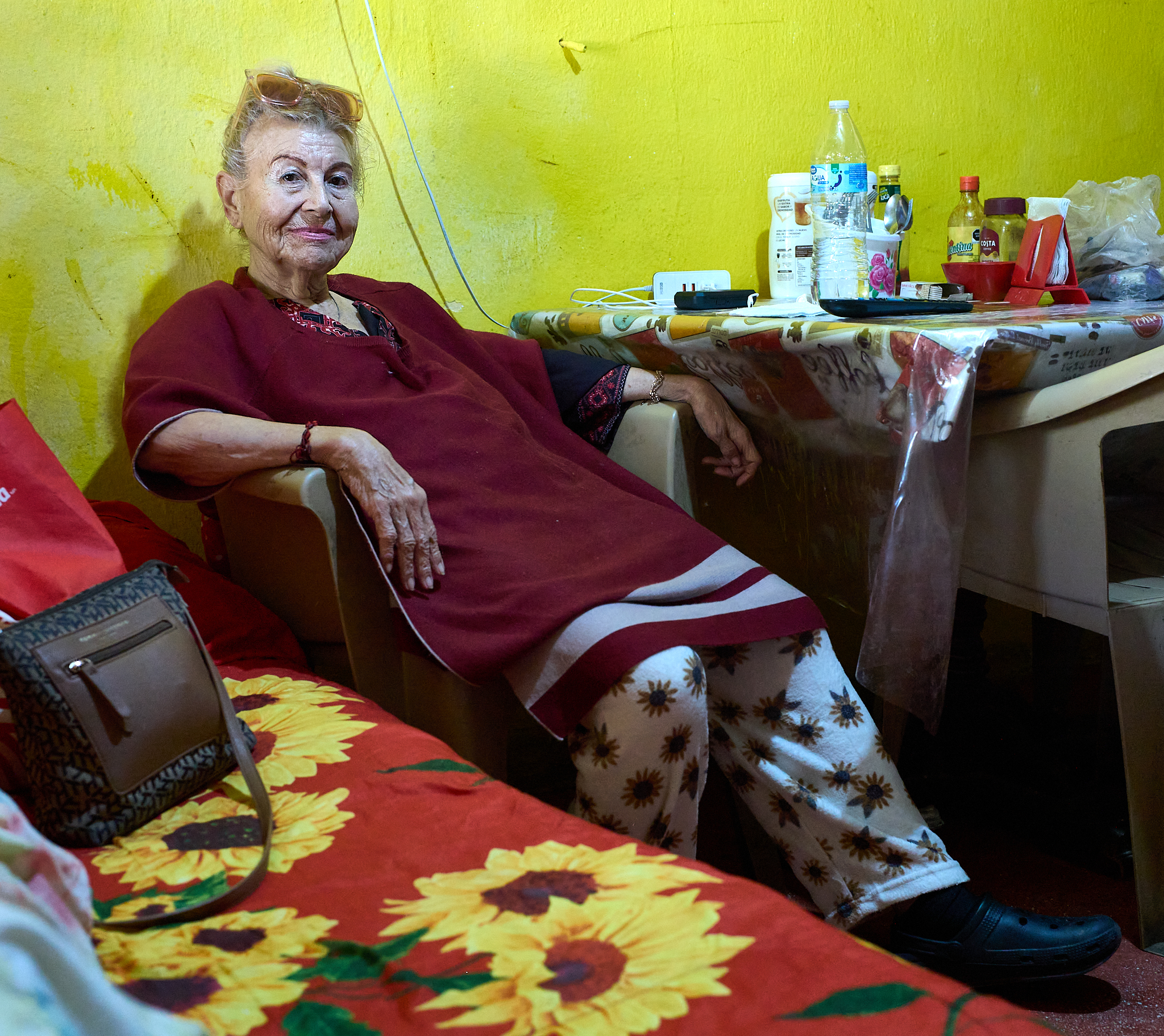
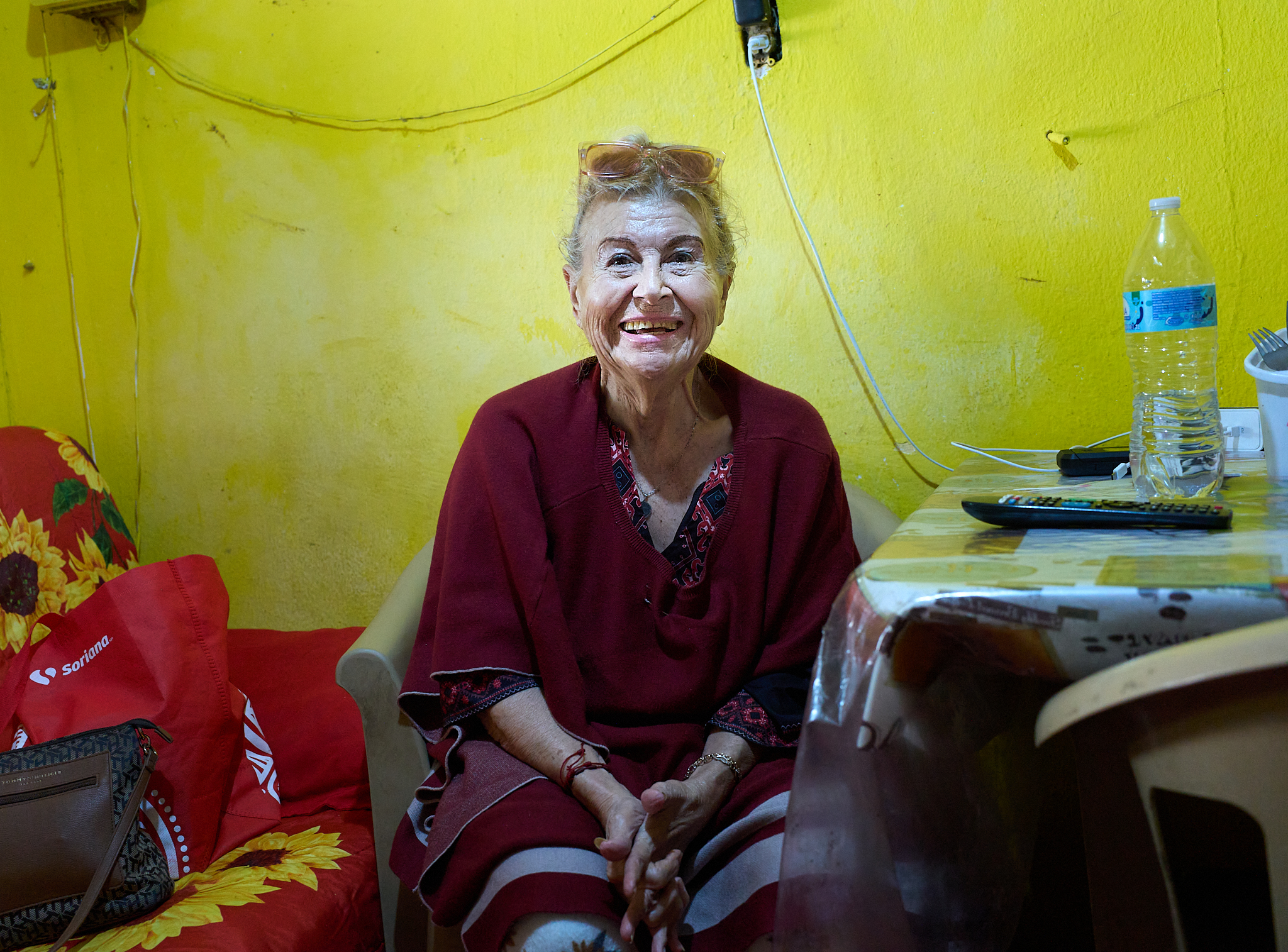
Josefina Woodward sits in her home in Cabo San Lucas with the quiet presence of three generations under one roof. She lives with her daughter, Susana, who runs a small home kitchen selling meals to neighbors, and her grandson, Cristian. I left with a warm hug and lasting memories of a generous family.
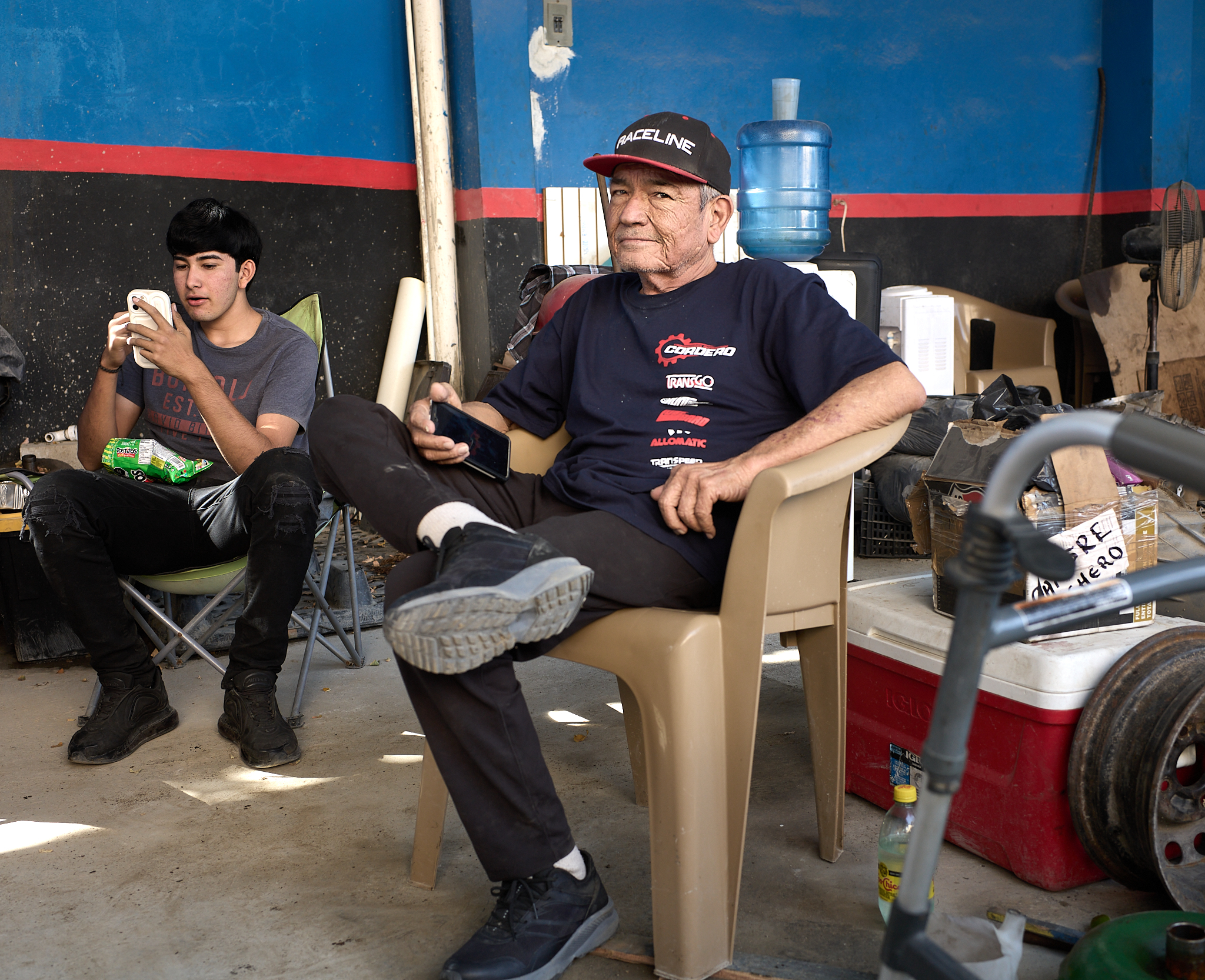
A family rests inside their auto repair shop in Cabo San Lucas, pausing between customers during the workday.
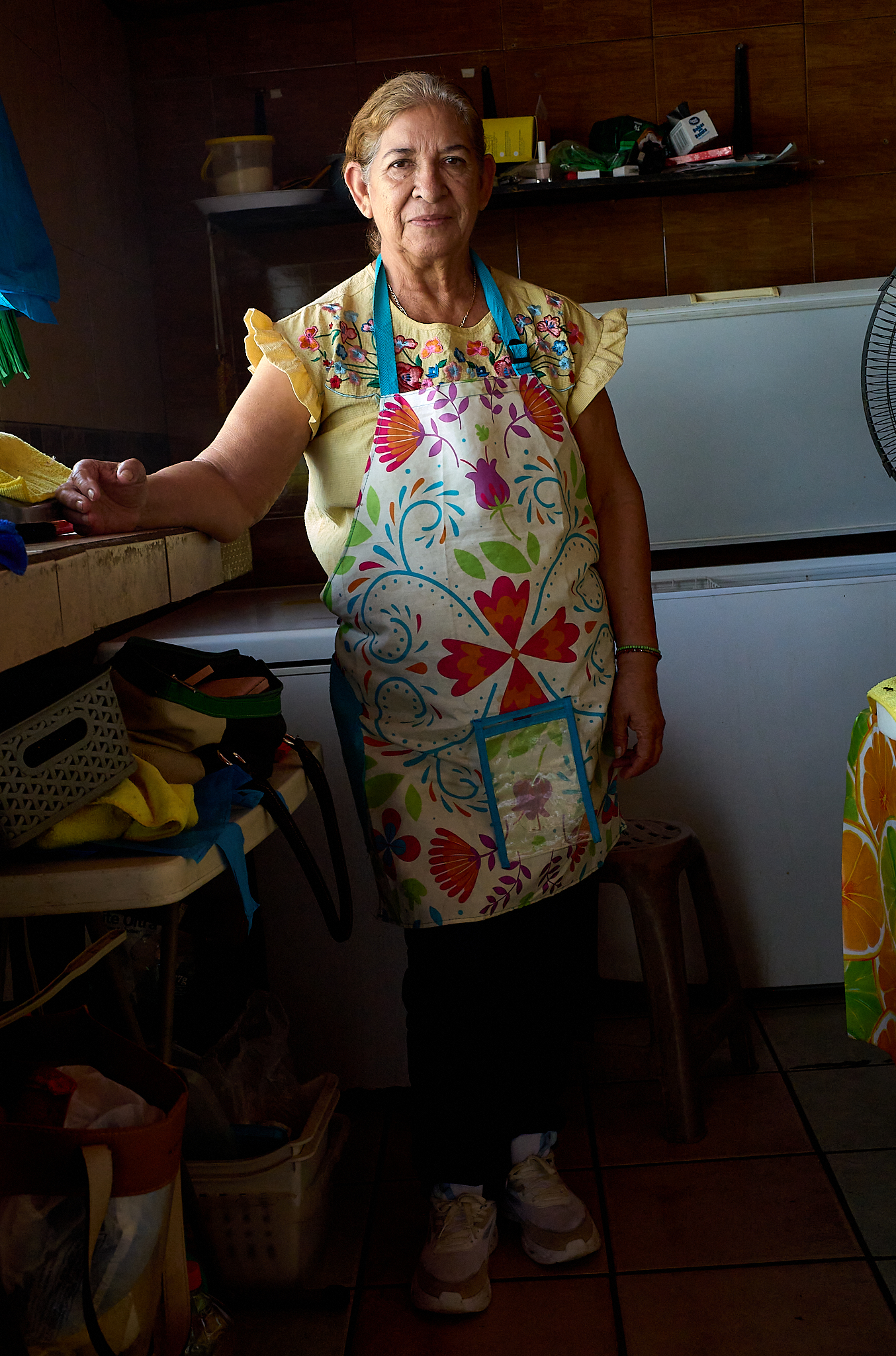
A woman stands inside a small home kitchen in Cabo San Lucas, where she prepares and sells meals to neighbors. Informal, home-based kitchens like this are common in the area.
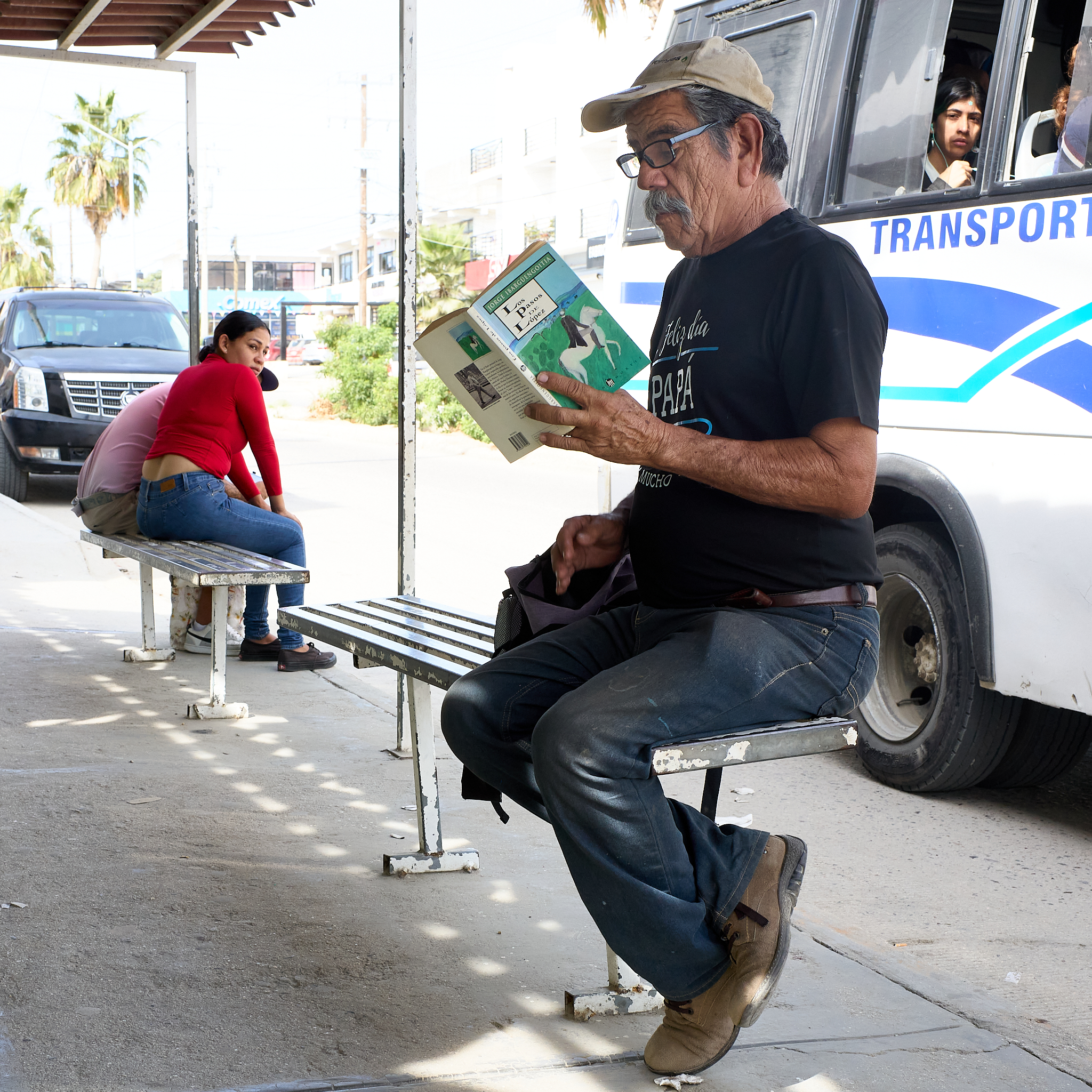
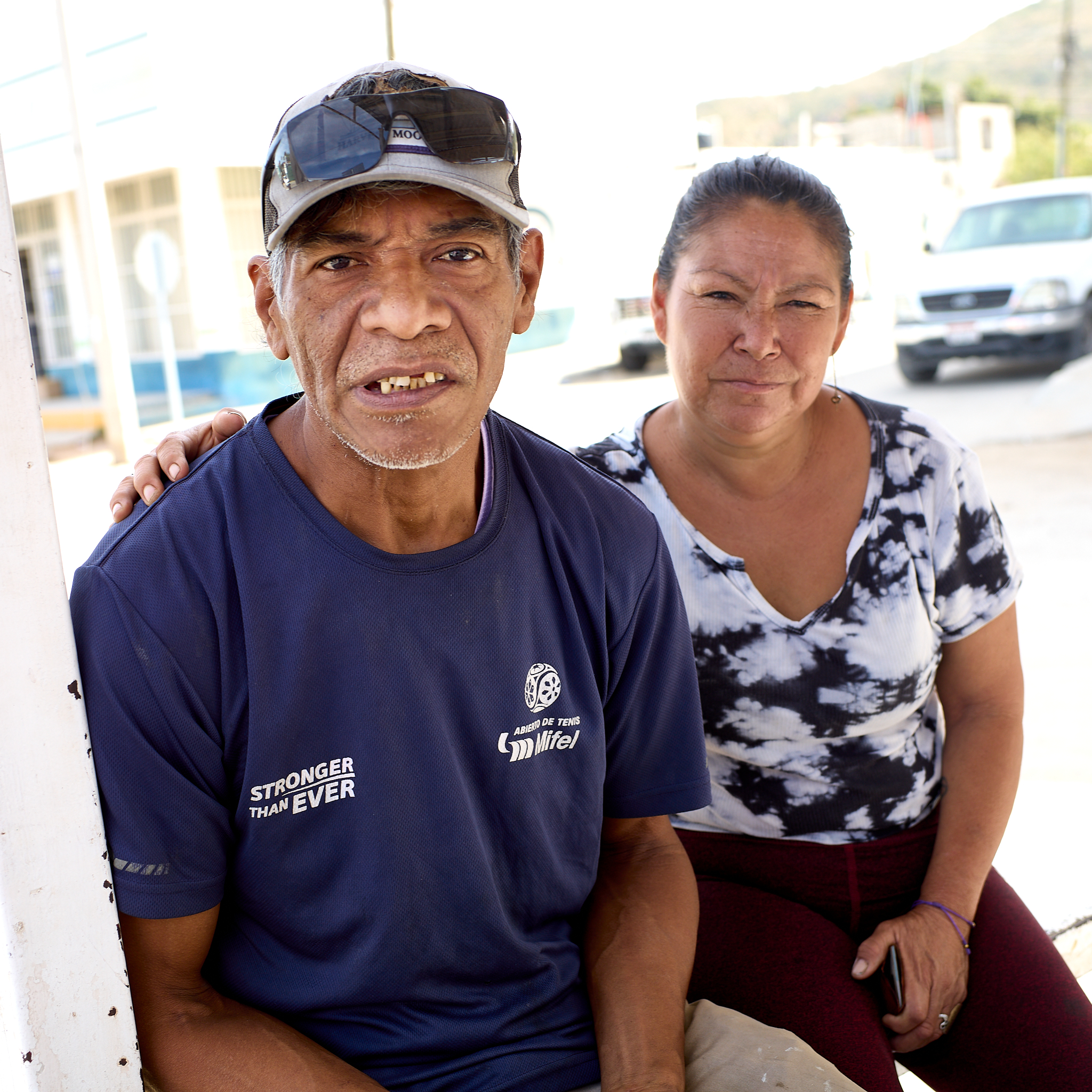
A man and his wife wait at a bus stop in Cabo San Lucas. Deported from the United States five years ago, he says he feels freer here because he no longer lives under the threat of detention or deportation, despite having less materially.\
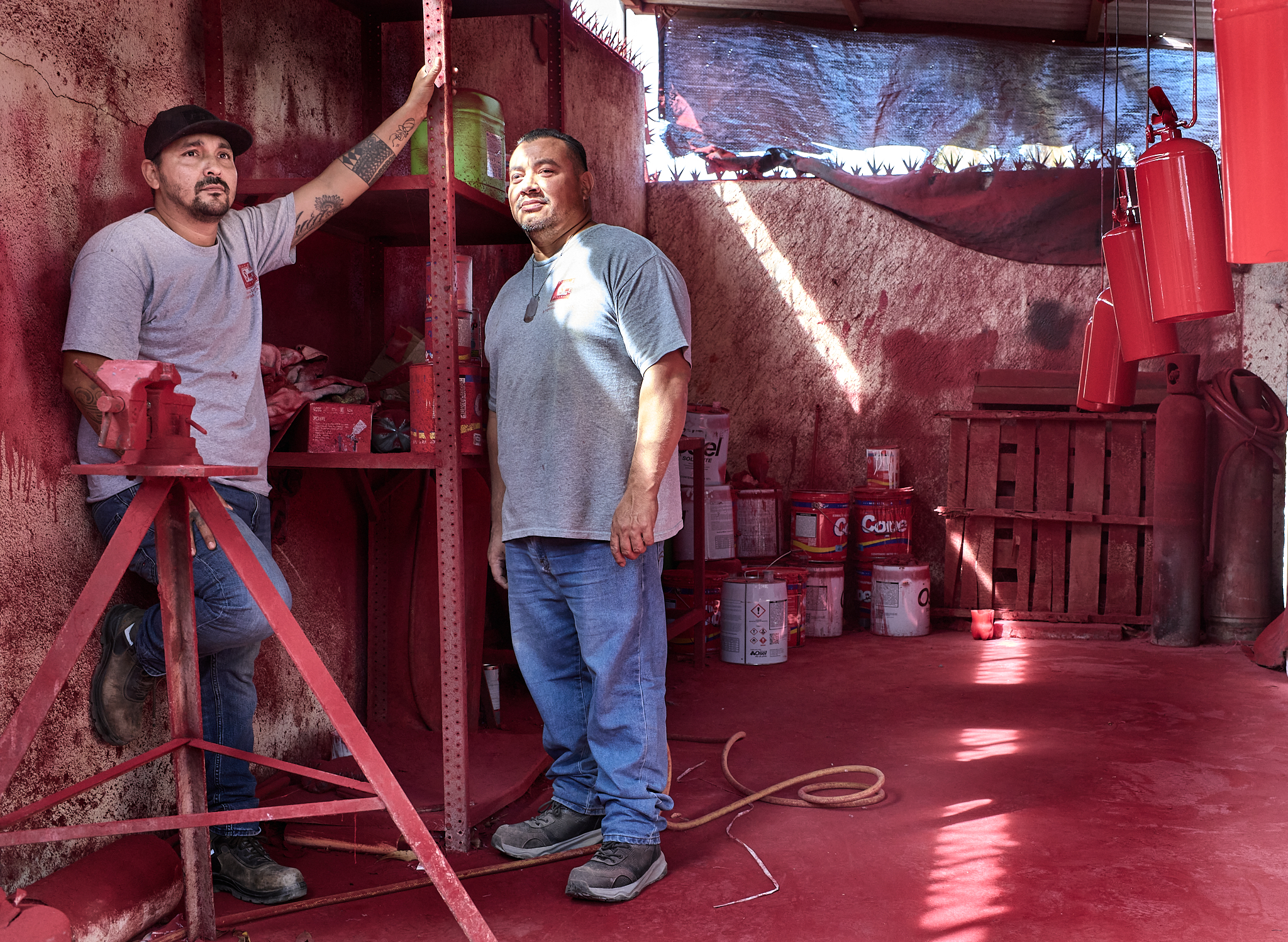
Workers paint and assemble fire extinguishers inside a small workshop in Cabo San Lucas. They welcomed being photographed during their work.



 Documentary Photography and Stories
Leave a comment