After the Third Shooting, Minneapolis Asks What Comes Next


The images are best experienced on a larger screen.


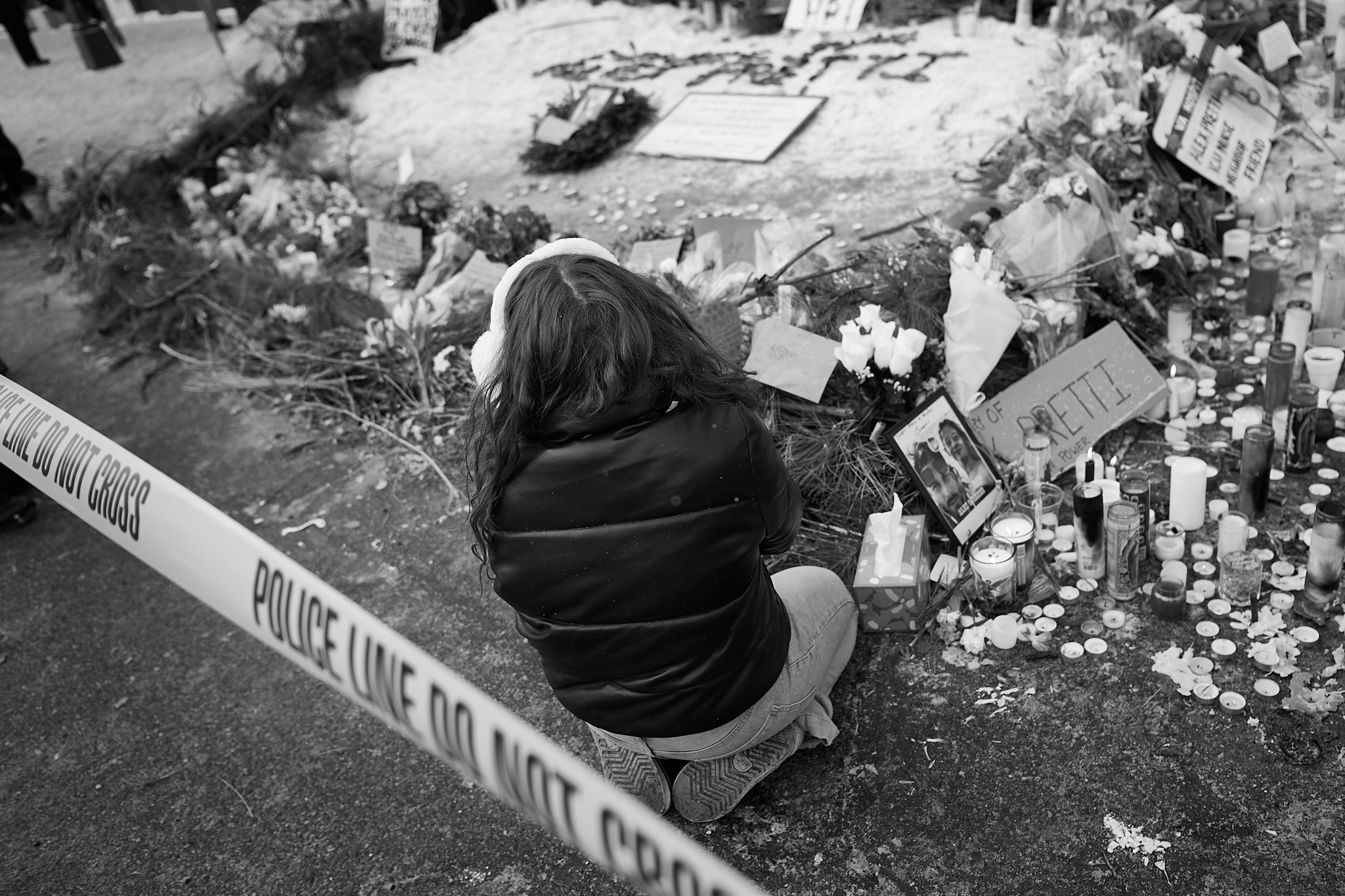
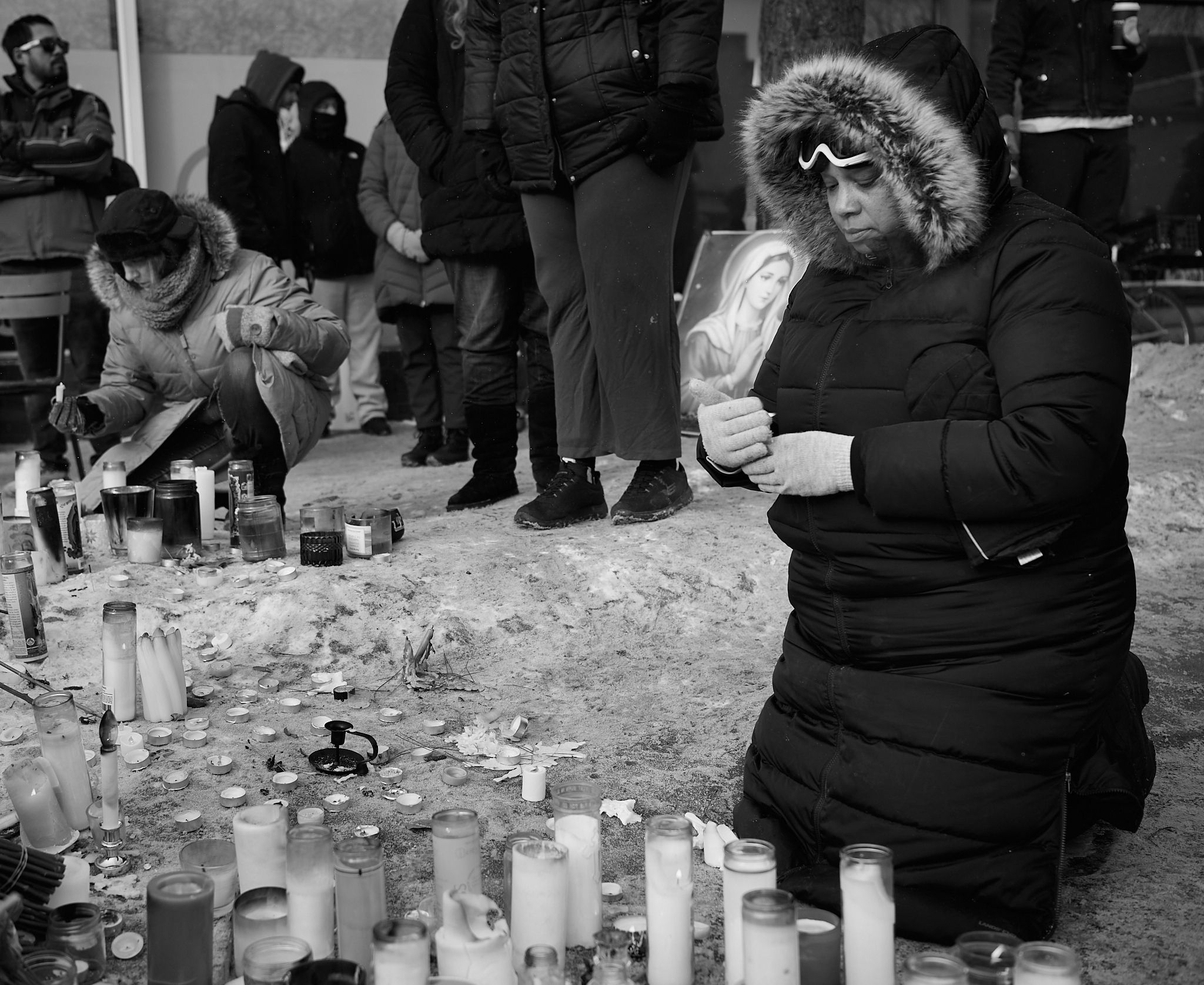
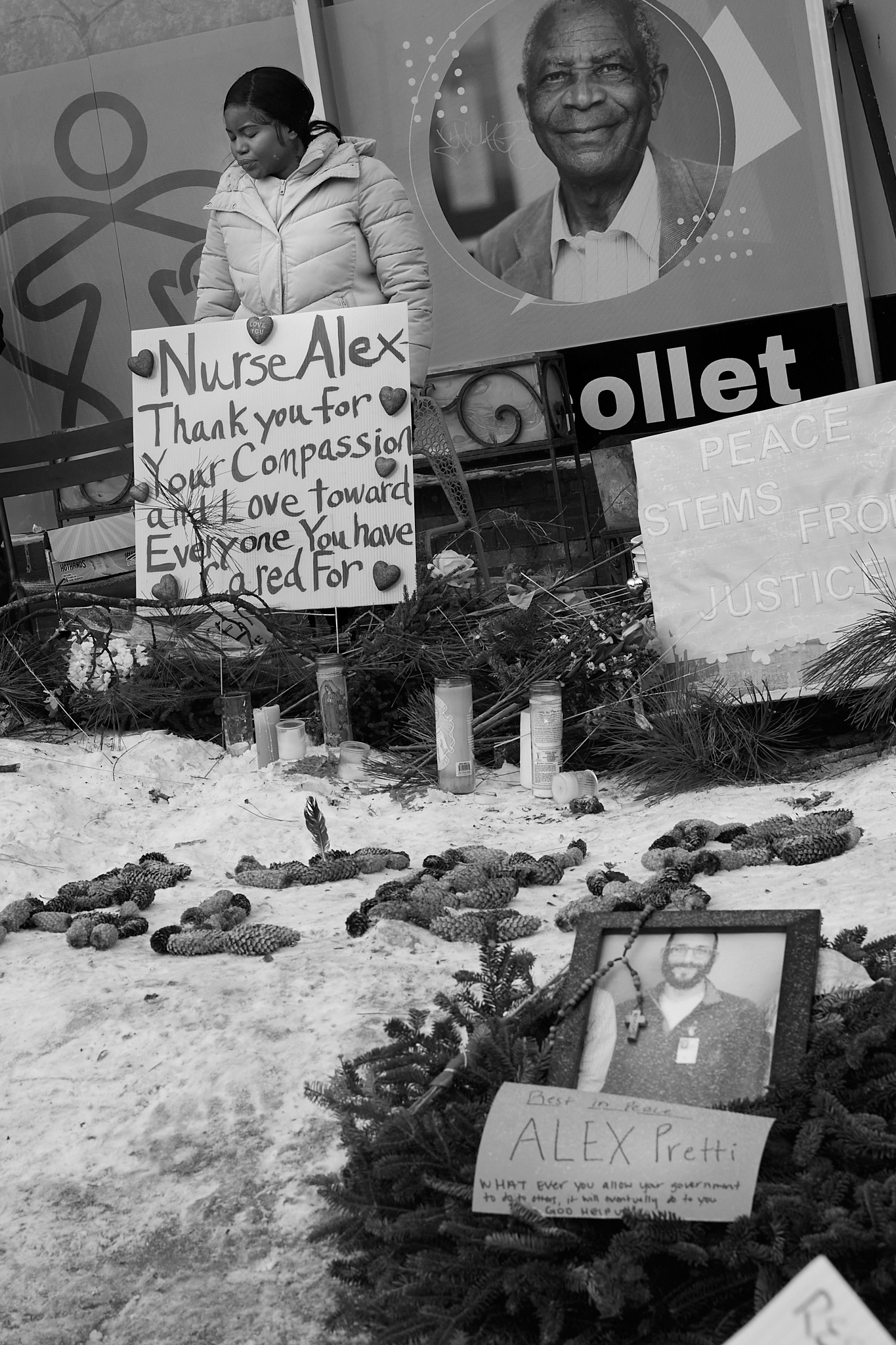
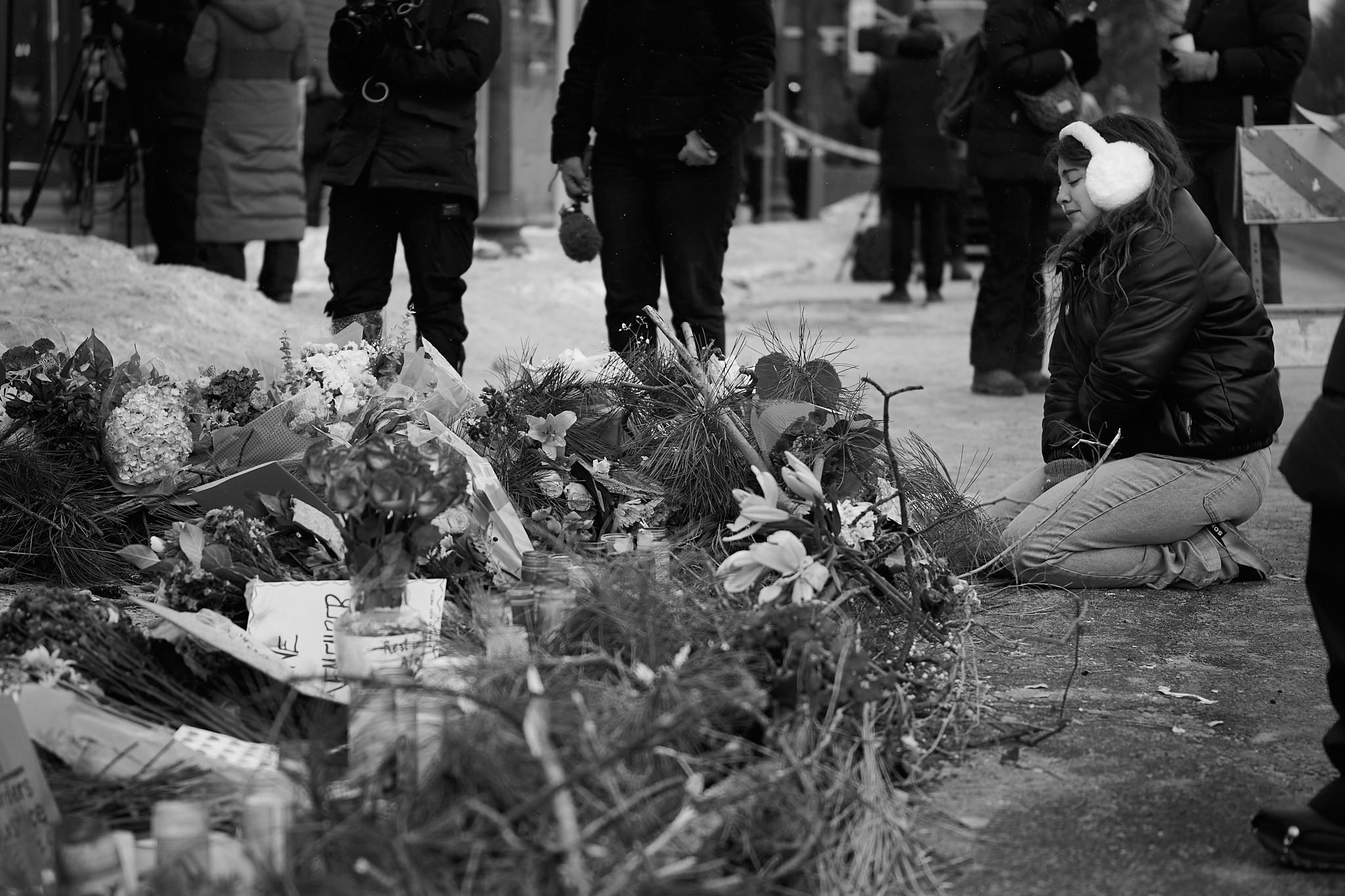
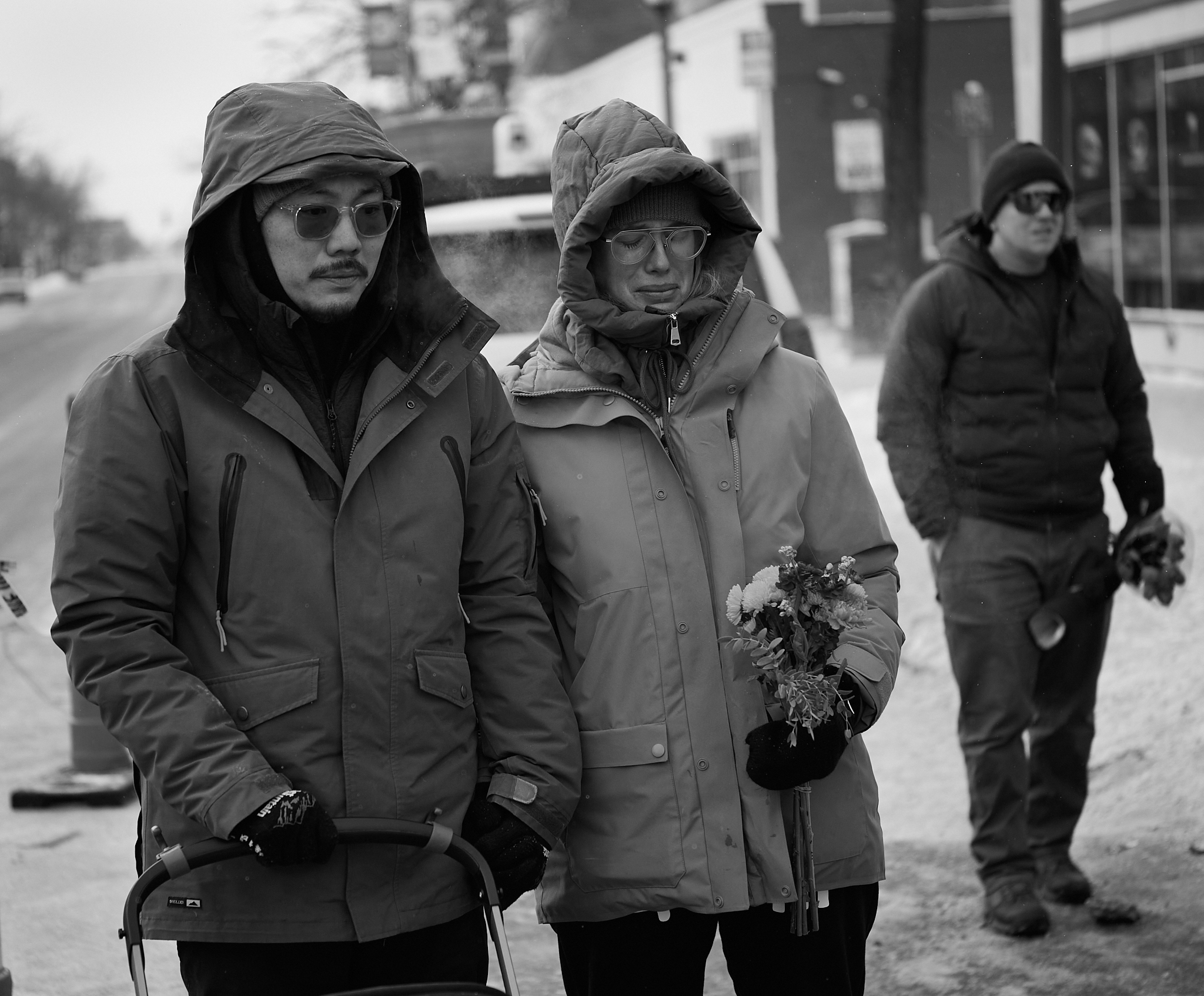
In the bitter cold of late January, Minneapolis found itself once again at the center of national attention. This was the third time in recent weeks that federal immigration enforcement actions had led to gunfire on the city’s streets, and the second such incident to result in a fatality, igniting a resurgence of protests and an already tense public conversation about policing, power, and accountability. 

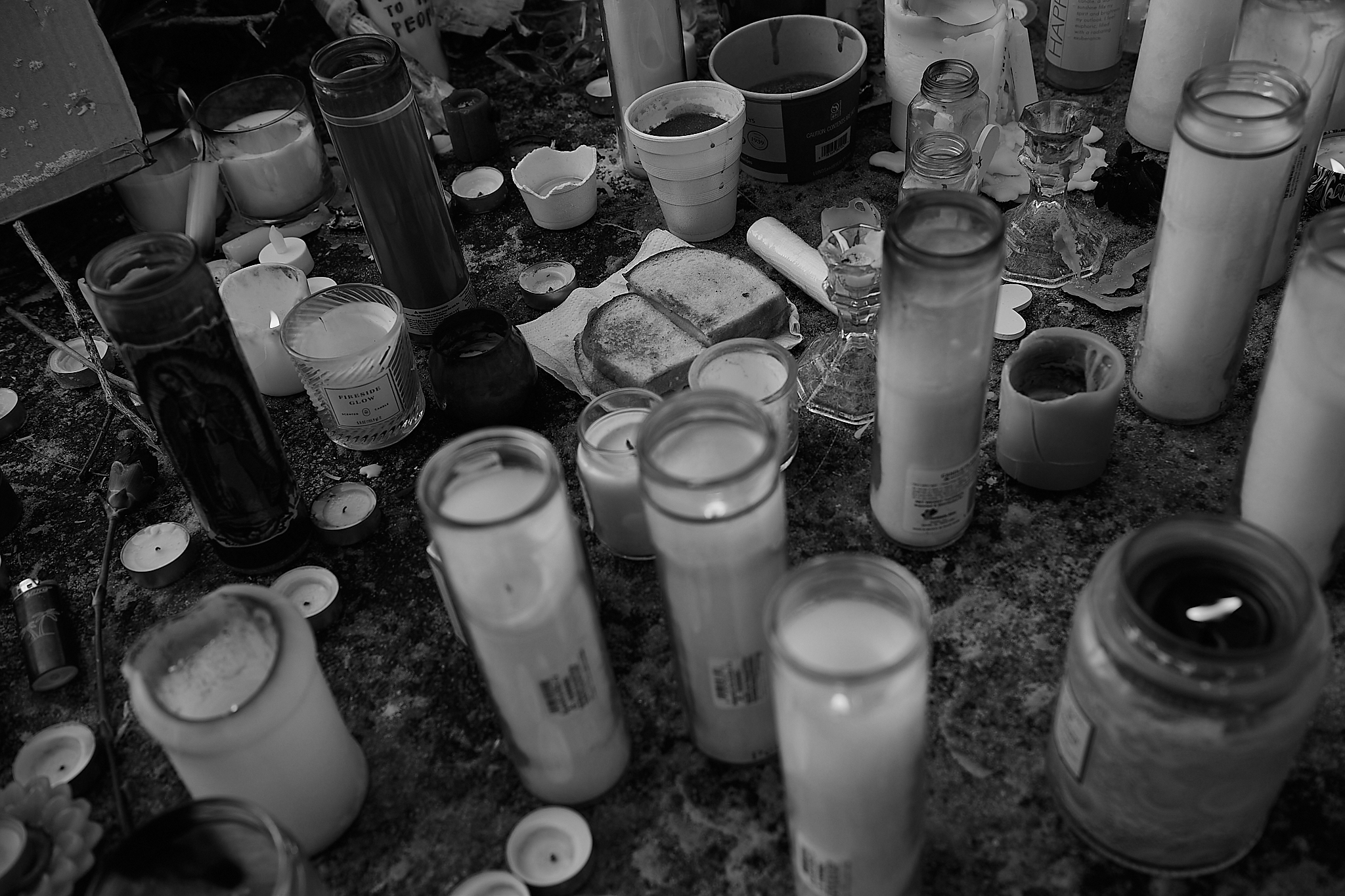
What began as a makeshift memorial quickly became a site of confrontation, debate, and reflection. People gathered not only to mourn another life lost, but to challenge the forces they saw as responsible, and to question the role of documentation versus participation in demanding change. Within these encounters, disagreement and urgency intertwined—the act of witnessing became itself a point of contention, a lens through which to examine both grief and agency.

These images that follow do more than chronicle a moment. They hold space for the complexities of a community under strain: the sorrow and anger, the tension between speaking out and being heard, and the uneven terrain between observation and action. In Minneapolis, the lines between protest, protester, observer, and authority blurred under the weight of repeated loss and unresolved inquiry.
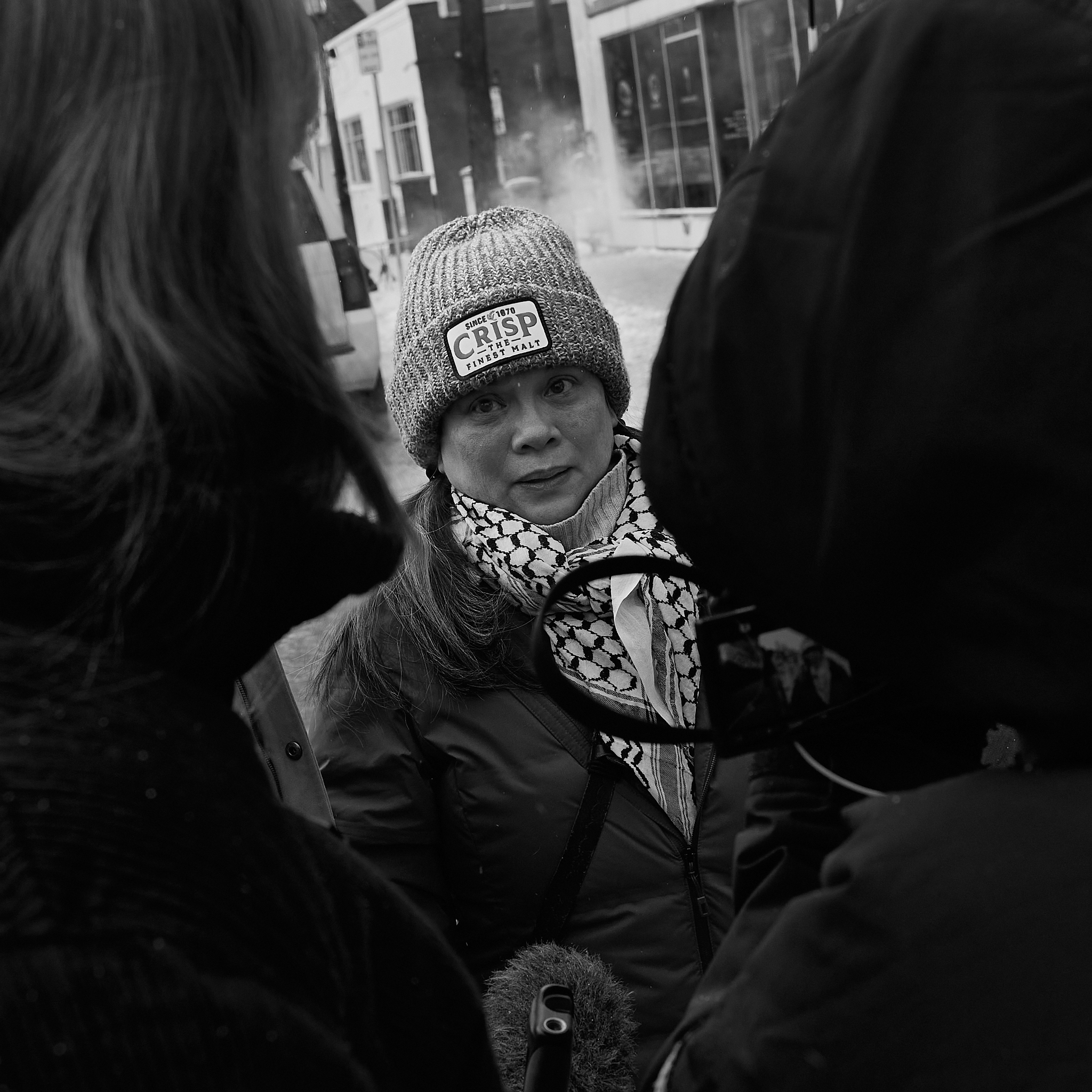
A woman speaks during a media interview,  expressing anger and resolve following the fatal shooting of a man by a federal immigration agent. Asked what comes next, she said the people of Minneapolis would stand strong as the community continues to respond to the killing.
A woman speaks during a media interview, expressing anger and resolve following the fatal shooting of a man by a federal immigration agent. Asked what comes next, she said the people of Minneapolis would stand strong as the community continues to respond to the killing.


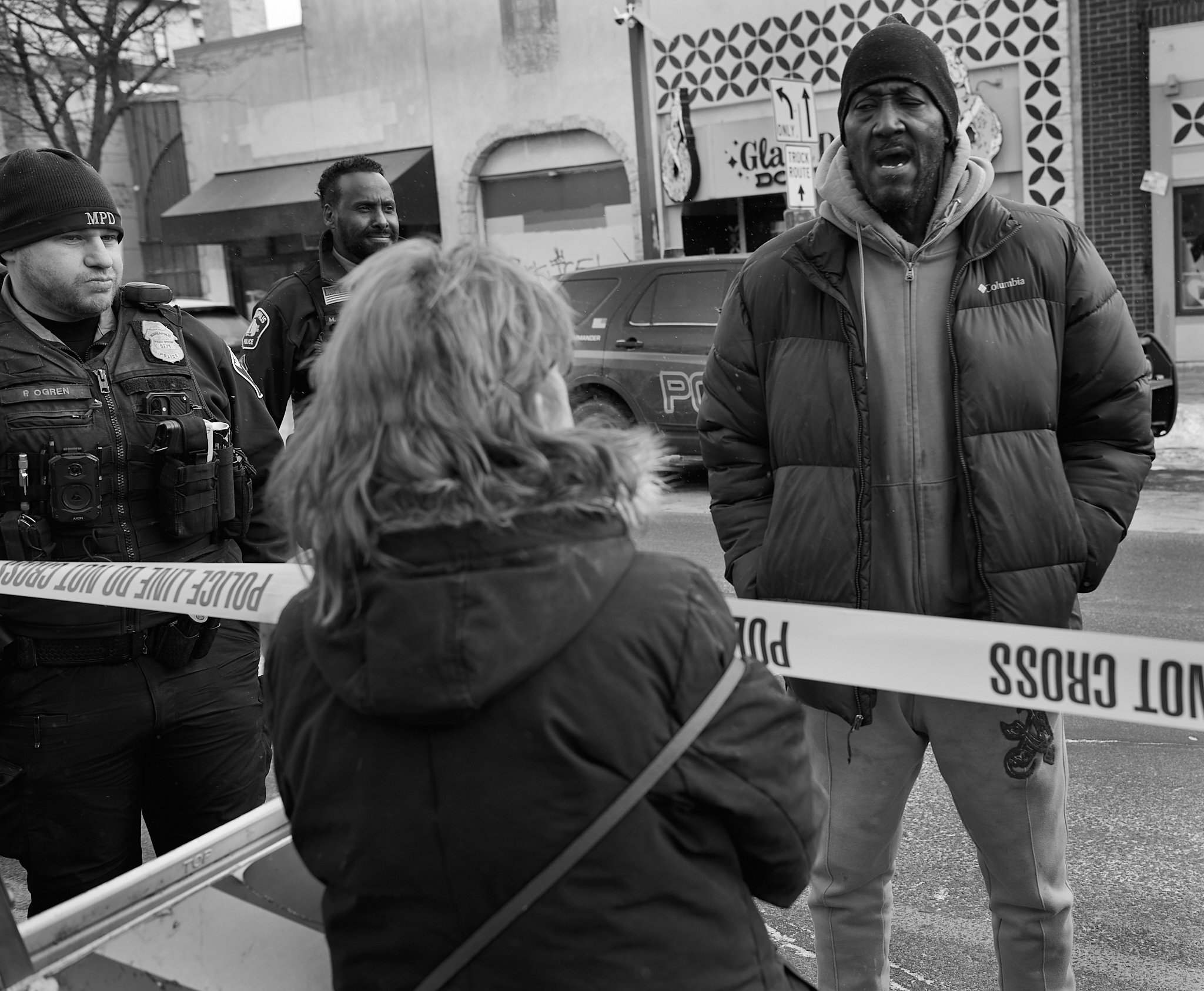
A man speaks across police tape during a confrontation, saying the killing reflects what he described as a common experience in Black America and warning that injustice can happen to anyone, as police stand guard.


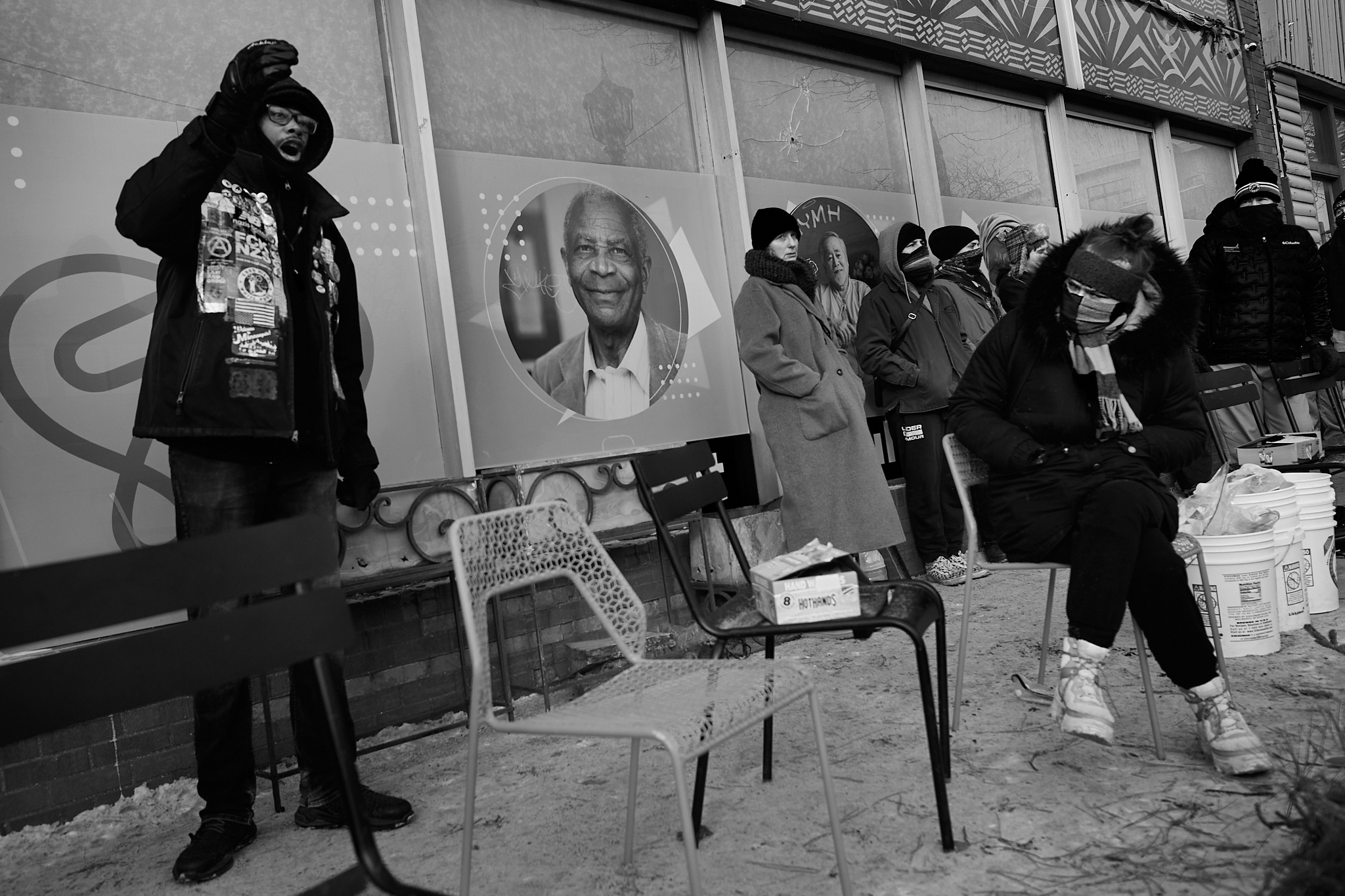
A man speaks forcefully during a protest as a seated woman listens with visible skepticism, as he criticizes what he described as documenting injustice without participating in meaningful change, highlighting internal tensions over action, accountability, and the role of observers within the movement.


Comments

Leave a comment