
In a crumbling Havana apartment, two mothers raise three children without doctors, daycare, or clean water — held together by love, grit, and borrowed tools.
This is one story in a series of stories about Cuba. Images from this story are also available in my gallery.
Five people, two rooms, zero margin
I squeeze through the cramped entrance to the second floor rental. Upstairs, a sick boy is home from school, resting in the only bedroom that is barely big enough for the two beds and crib that are in it. This provides the sleeping space for everyone.
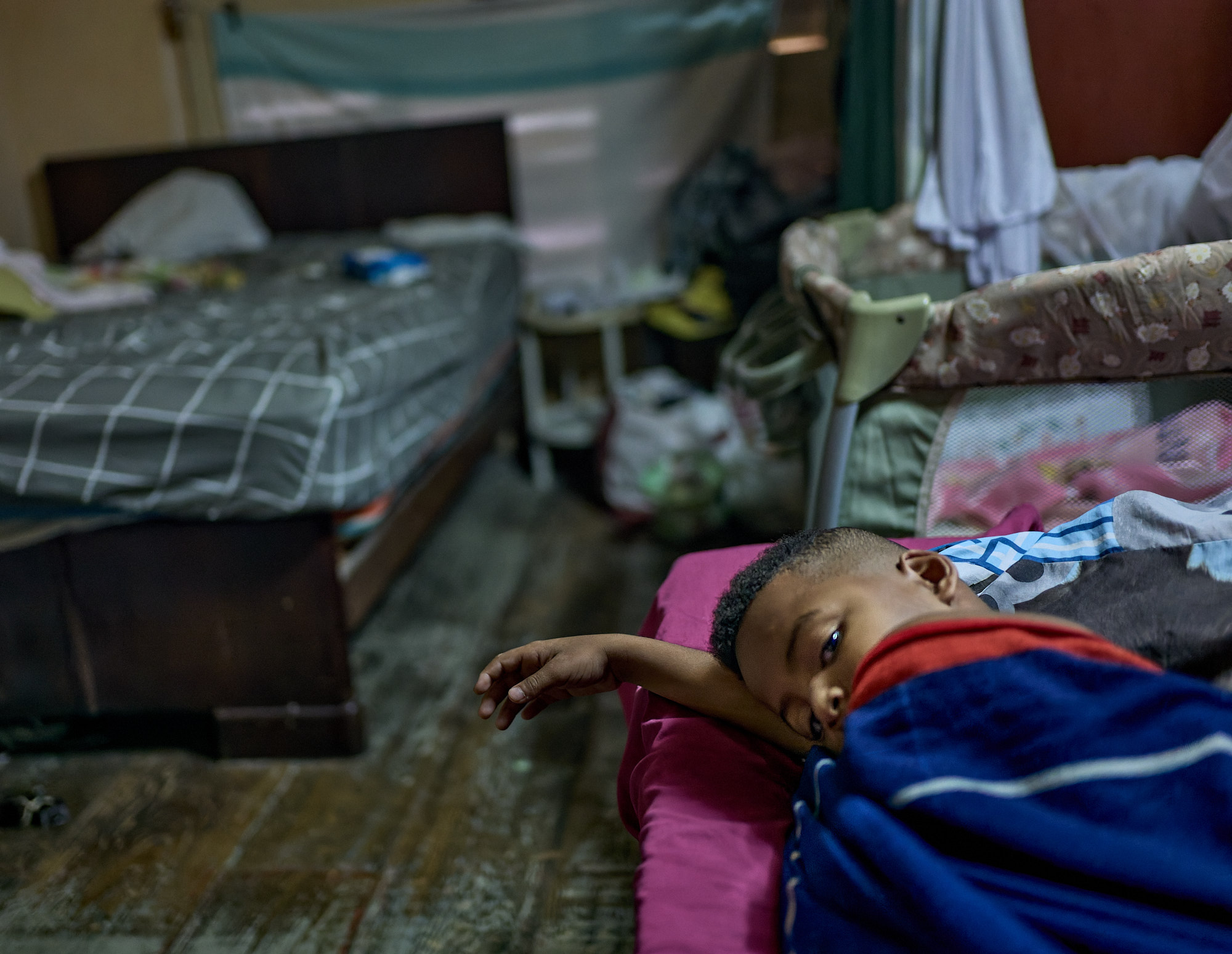
The small lower level consists of a single room with a cooking space at the end. It’s hot, humid, and claustrophobic—the kind of heat that is always on your mind due to the discomfort. The only relief to the outside world is a tiny balcony crowded with plants, laundry, a stroller, some pots.
The decay of the building is visible, and the worry of collapse is on the inhabitants minds—a real problem in this decaying city. I photographed a survivor of such an incident a week earlier against the backdrop of his collapsed building, where the family below perished.
Five people live here. This is their world.
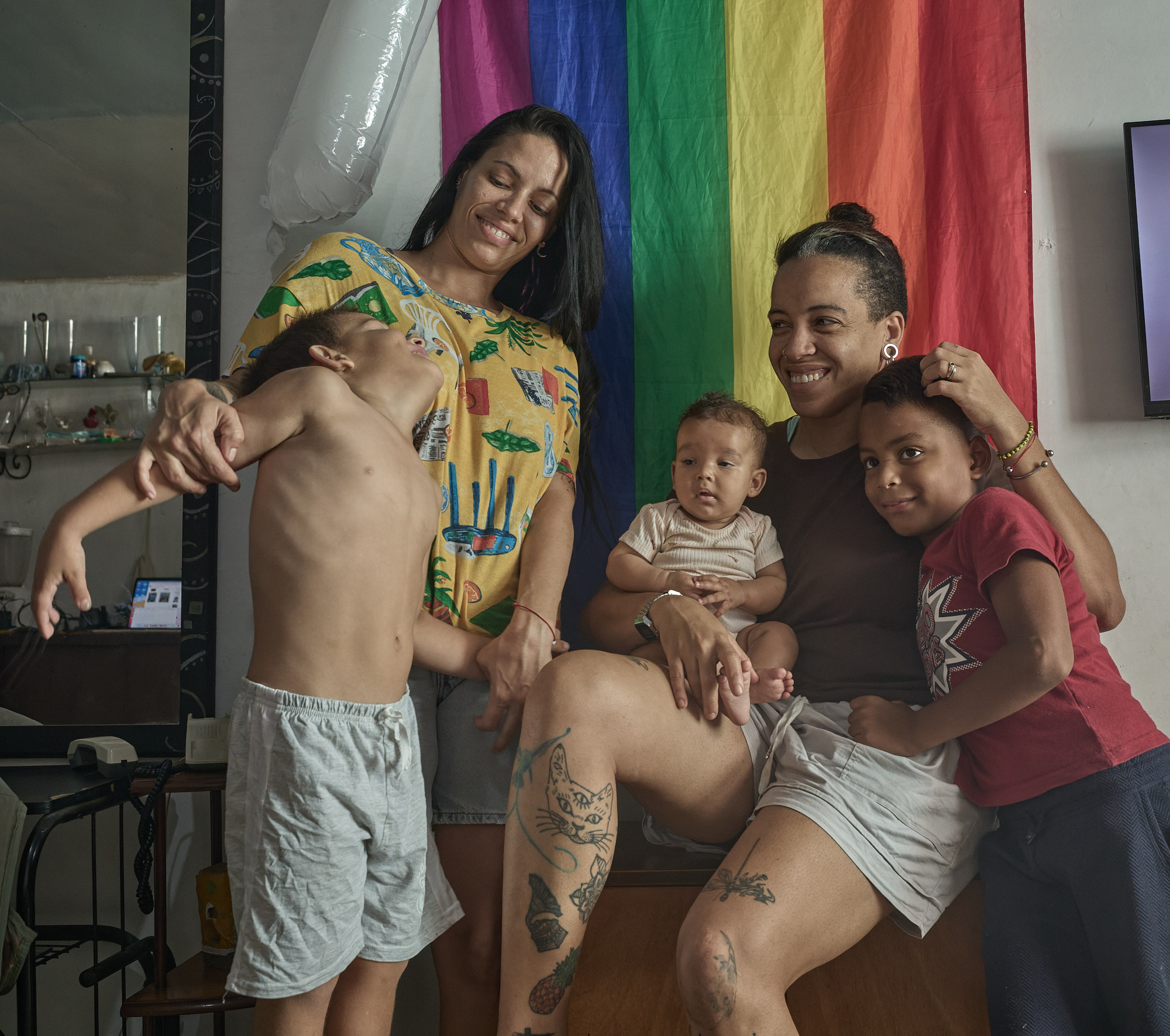
Dori and Yordanka, two moms, are raising three kids: Alessandro, a 7-year-old with ADHD; Mateo, a 4-year-old with autism; and Alma, a 5-month-old who unexpectedly arrived in their lives. Despite their challenges, I could clearly see how much they patiently love them. However, the struggle lies with the broken systems, lack of opportunity, and solving difficulties like medical issues or providing necessities like water when the pipes are dry.
Alma, our 5-month-old baby, came into our lives unexpectedly, but we embraced her with love—even amid hardship.
When the water finally starts flowing, you know it because the streets are flooded due to the leaking pipes. The neighbors bang on each other’s doors to inform and celebrate. This is what basic survival looks like here for this crucial resource. They improvise, using a plastic barrel and using water bottles for storage for the next impending water outage. Two days of stored water is the lean buffer.
“We know we have water when there’s water in the streets.”

Raising Kids in a Broken System
Mateo’s autism runs the household. At just four years old, he can say a few color names, some words, and loves Legos. But he needs constant attention. Bread calms him and is his favorite food. Simple cartoons give his moms a moment to breathe. Dori thinks COVID-19 may have caused it—or worsened it—as no doctor ever came. She was on her own during those times.

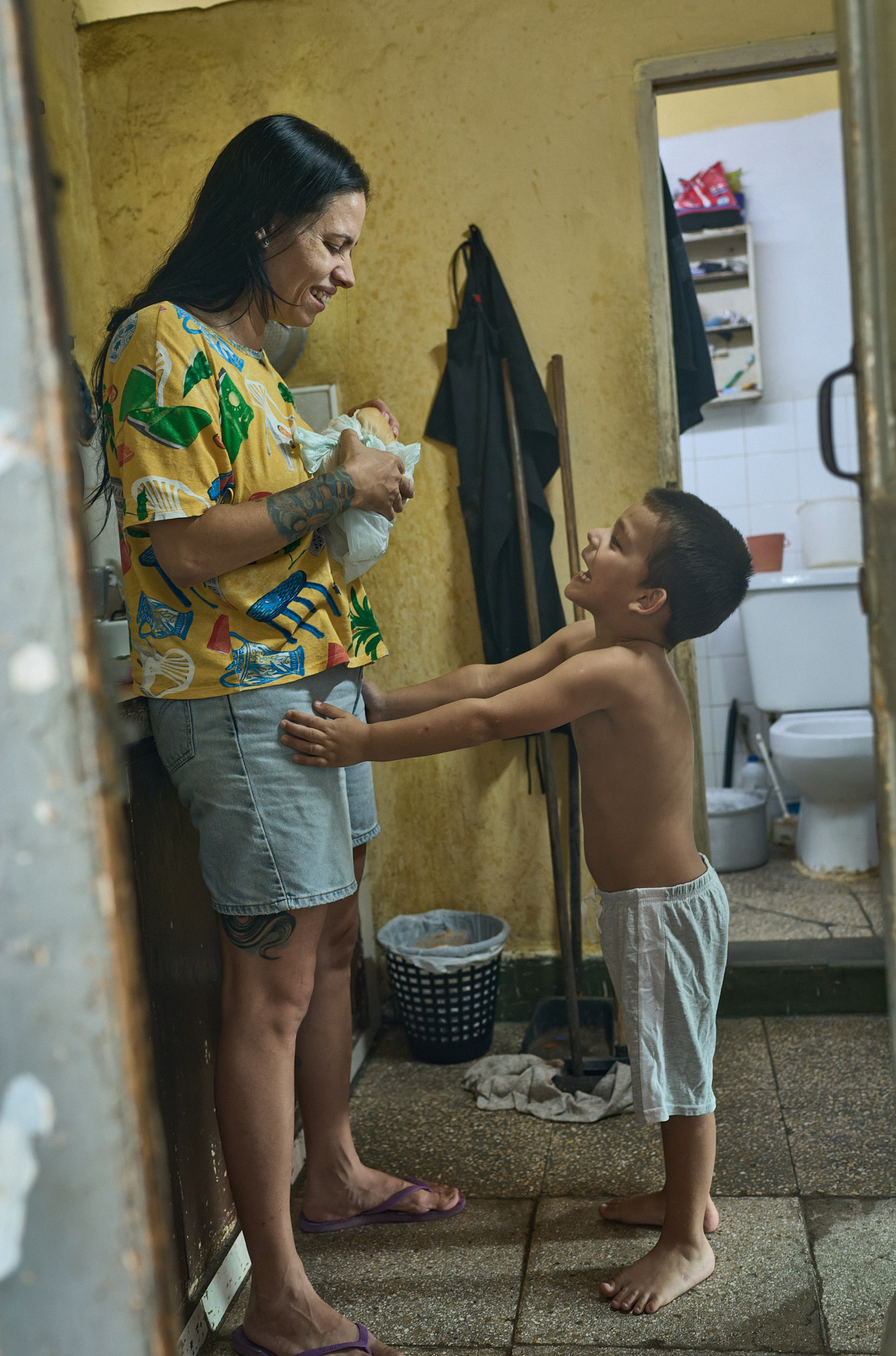
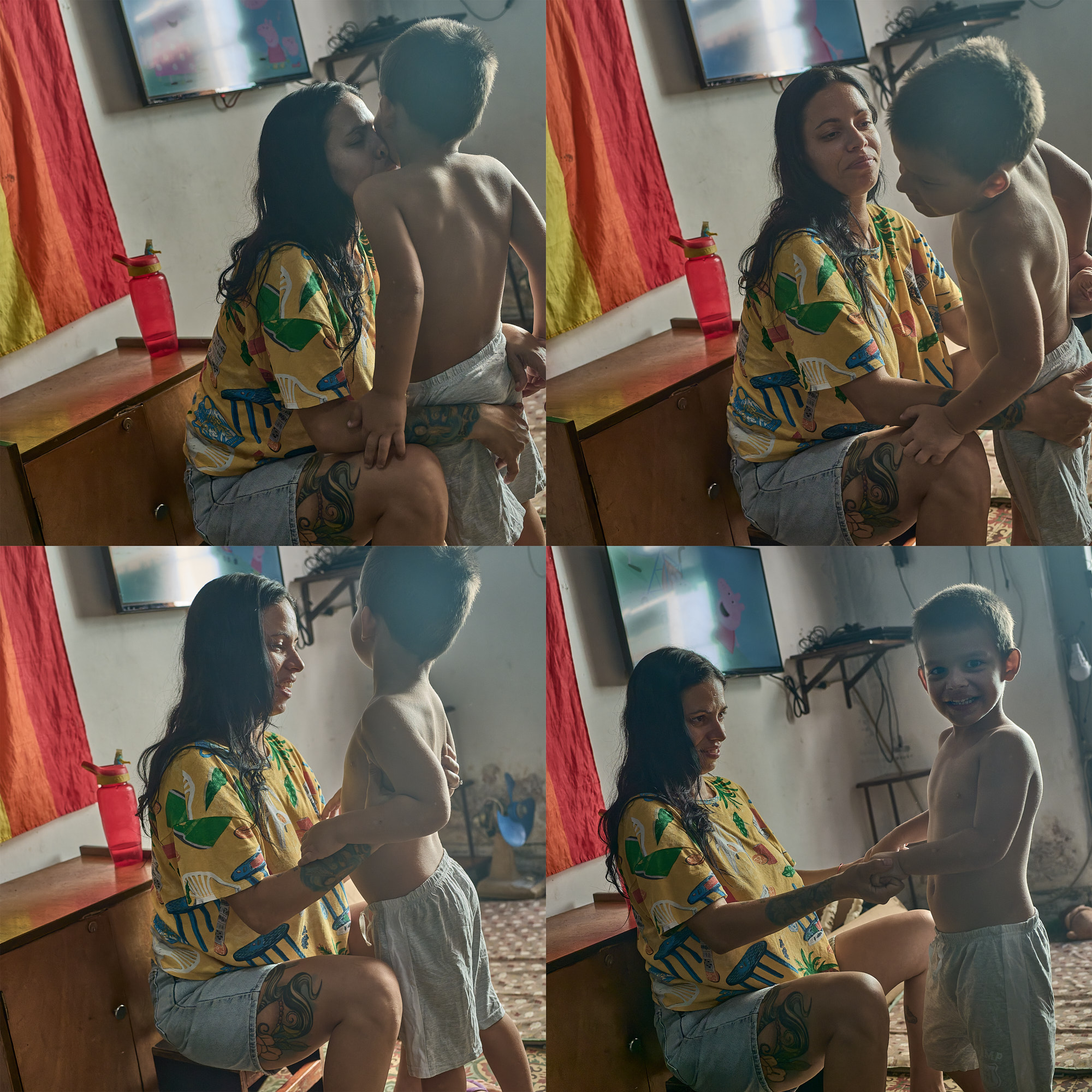
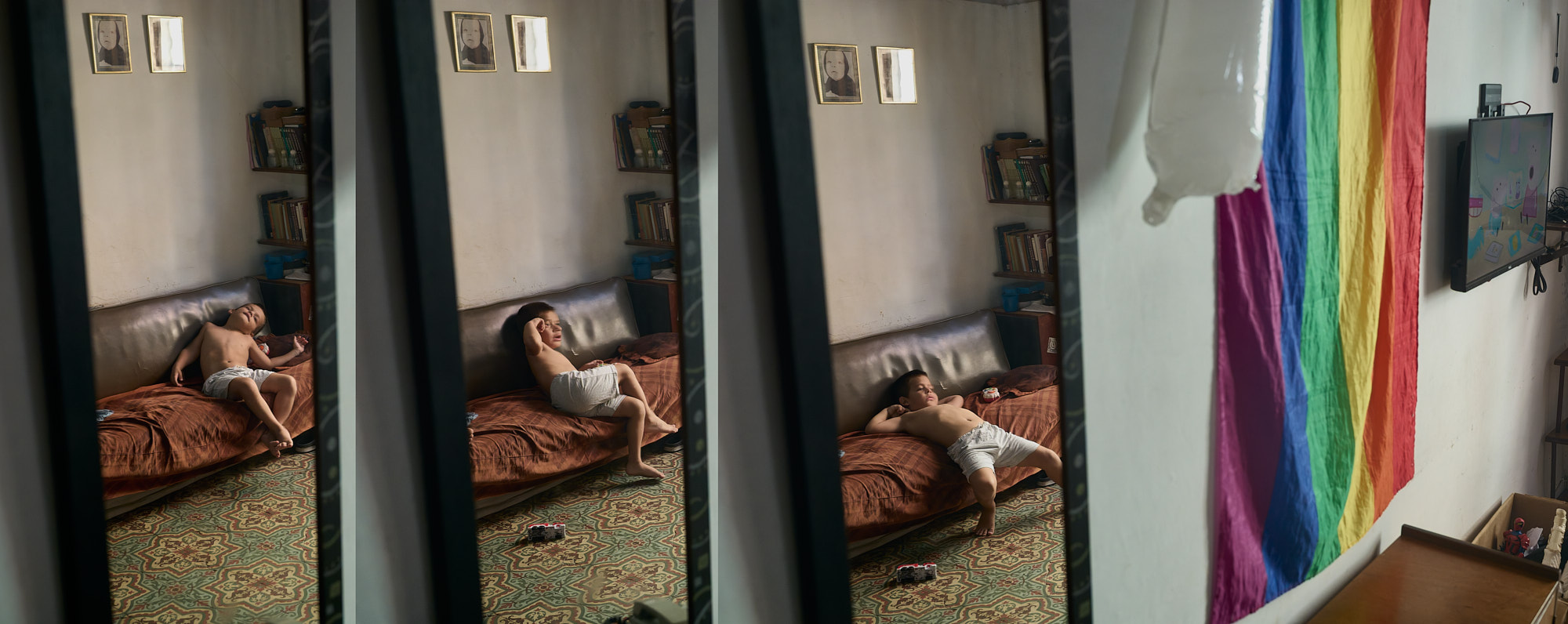
There are no specialists to help. Specialists are reserved for the “bad kids,” Dori says.
There’s a private daycare—one that might give Dori and her wife a chance to work—but the obstacles are insurmountable. The father is only willing to contribute $20 a month, despite him being well-off. This is a fraction of the total cost: bus transportation would take two hours each way and cost 28,000 pesos (about $77/month). That’s simply not possible. So Mateo stays home.

And school? Public education is collapsing. Dori described the situation bluntly: “At school, there are four grades—two may have teachers, two may not. The kids just hang out and go crazy.”
“At school, there are four grades—two may have teachers, two may not. The kids just hang out and go crazy.”
Sporadically, they homeschool—when the school is closed or when transportation becomes too expensive. During my visit, the school had shut down because most of the kids, including Alessandro, had diarrhea. Dori believes it was due to contaminated water, pumped in from concrete tanks.
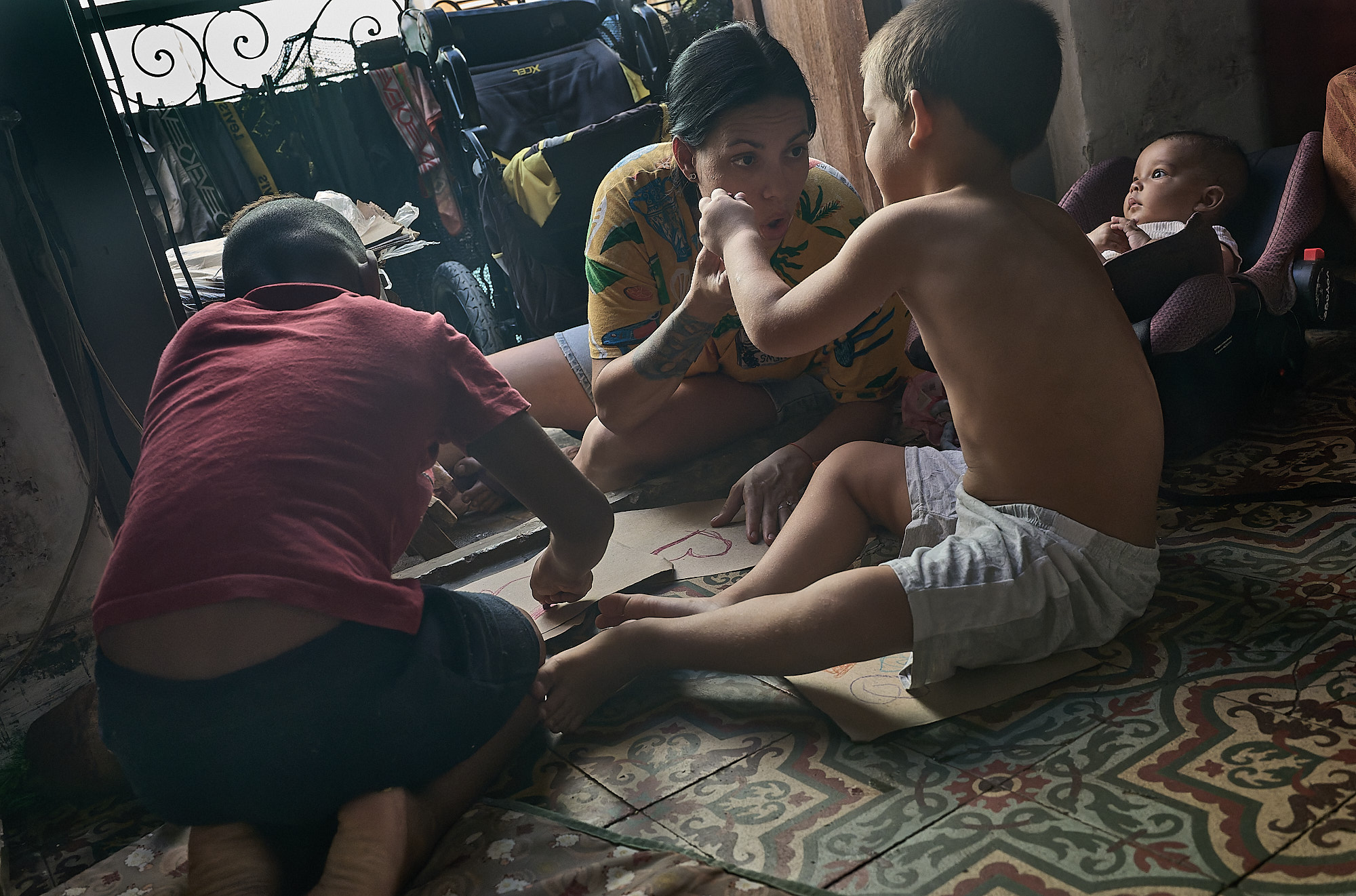
Even when school is open, it’s broken in other ways. School lunches exist—poorly cooked eggs, rice or porridge. Families say what little food there is often is stolen by staff to sell for themselves. Parents get updates over WhatsApp about which days are cancelled—many times this happens midday—due to power outages.
The dysfunction isn’t just urban. In Viñales, tobacco farming families told me similar stories. In a discussion at her farm home, a mother proudly mentioned her daughter’s 99 out of 100 in math—then casually noted that her math teacher was bizarrely “walking by” us while the kids were in school—she had walked out of class.
The family there provided more details: the school is located about 2 miles (3.22 km) away in town, and the kids walk there. Children begin attending school at the age of five. Occasionally, there’s no teacher. Classes abruptly end, or there is no school at all for days due to lack of power. In many instances, the teachers simply leave the class, leaving the children alone.
And it’s gotten worse. Before Fidel died, school buses and hot lunches made full-day classes possible. Kids were served meat, beans, rice, dessert, fruit, and snacks—enough to keep them at school all day. Now both the buses and meals are gone, and school ends at noon. Without food or transport, full days aren’t an option. The government gave no explanation—families are just left wondering why.
And beneath all the daily struggles—water, power, transport—there’s something more quietly devastating: the loss of a generation’s education. With schools running on half-days and frequent closures due to illness, power outages, or absent teachers, kids are missing years of learning they’ll never get back.
It’s not just about academics. It’s about building a society capable of critical thought, of questioning, of participating. Without proper education, an entire generation grows up less prepared, more dependent, and easier to control.
What I surmised in these conversations is that what’s being lost isn’t just time—it’s Cuba’s future.
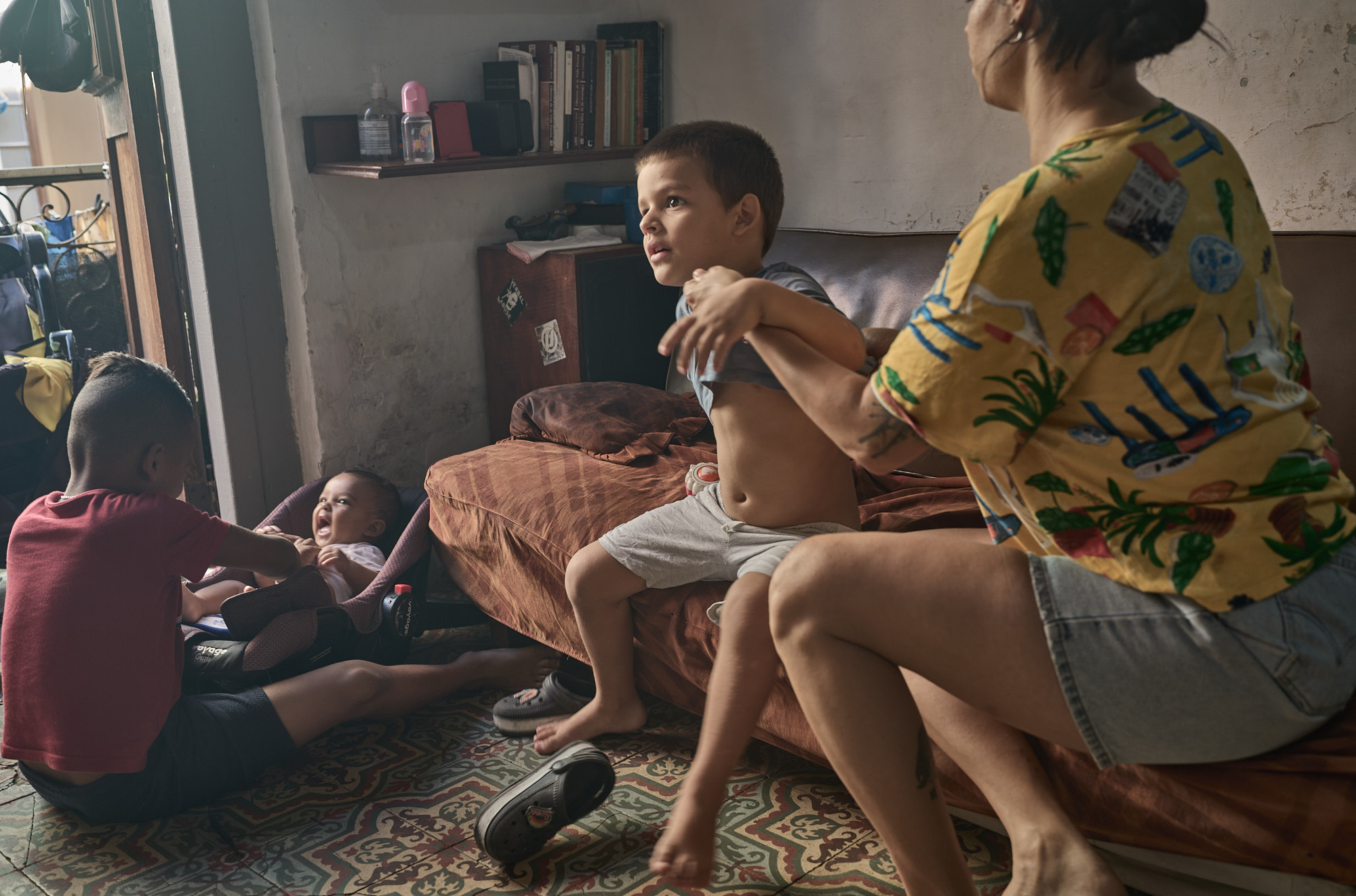
I didn’t fully grasp how demanding it is to care for a neurodivergent child until I spent time with Dori. It’s constant, consuming. And they’re doing it with no specialists, no support system — just figuring it out day by day. Add in school closures, illness, and no childcare, and it’s challenging to see how they keep going. But they do.
Hustle, Exploitation, and the Economics of Desperation
They used to make money from tattoos and photography. But work dried up. Tourists now dictate prices because there is a lot of competition and the tourists know the Cuban people are desperate.
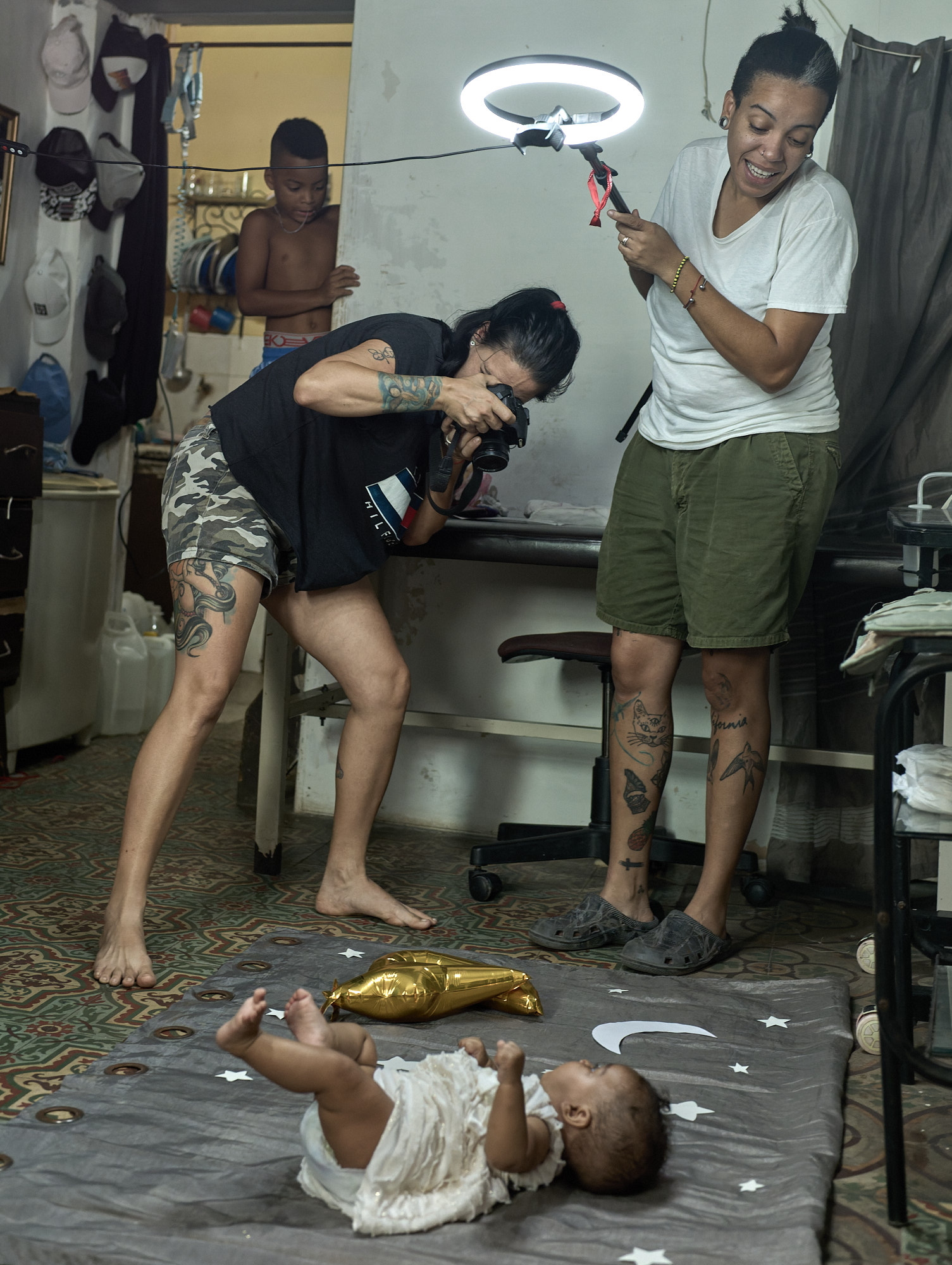
A friend may send $20 a week. Dori sold her camera during the pandemic to buy food for Mateo. Today she is using a borrowed one to shoot photos again to rebuild a portfolio. To get clients. To try again.
“The customers set the price. They know we need money.”
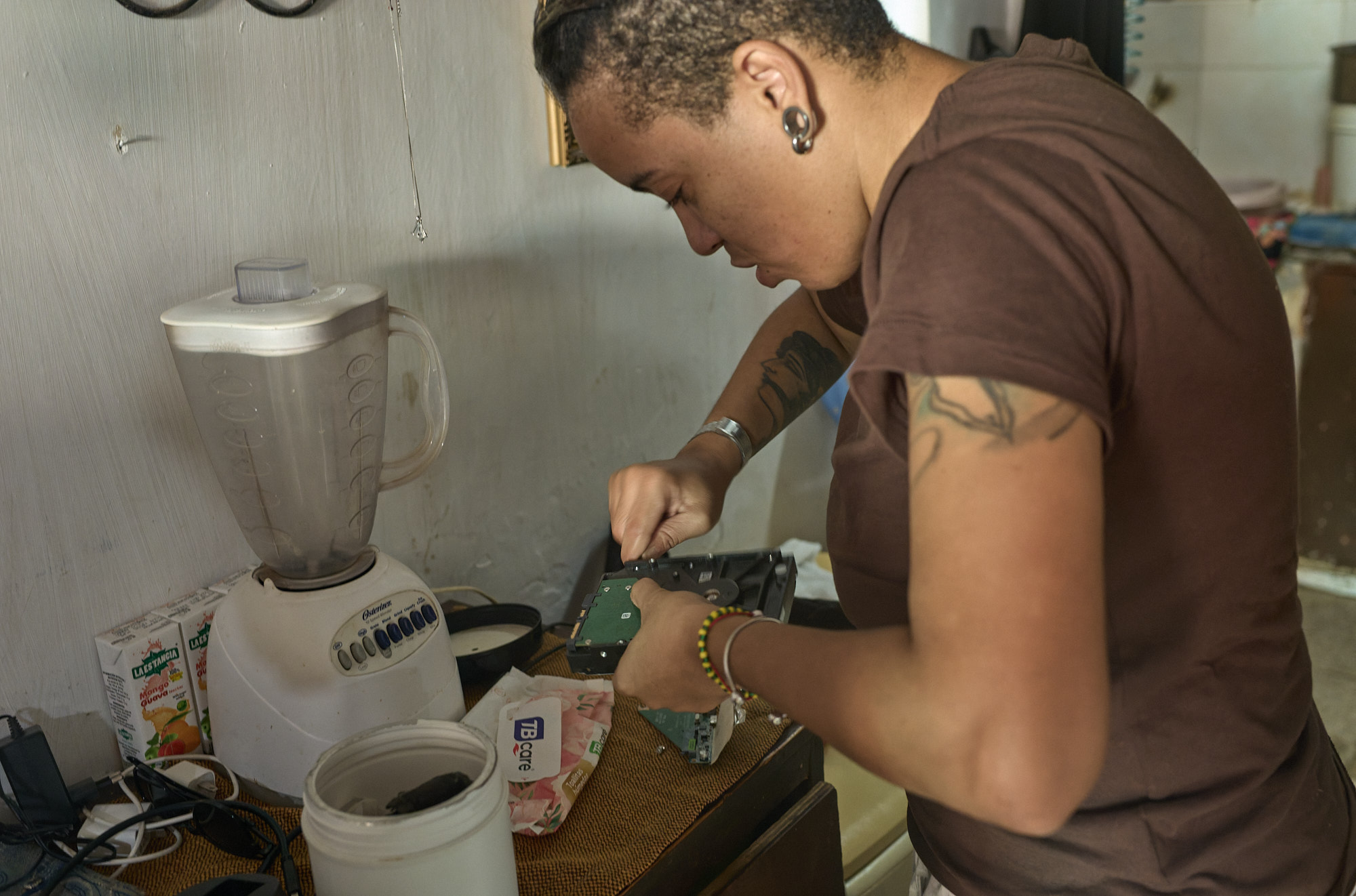
They even disassembled a dead hard drive on the kitchen table just to rescue old portfolio images, not out of nostalgia, but for business reasons. These photos could potentially be their escape route. They plan to use these images to advertise their work and potentially secure more clients. This was the purpose of their baby shoot earlier, where they aimed to create a portfolio that they could showcase to potential clients and eventually sell more work in the future.

The Illusion of Escape from a Broken System and a Corrupt Government
They want to leave for Spain. That’s the plan. Not because they hate Cuba — but because it no longer works for them. There’s no future here for the kids.
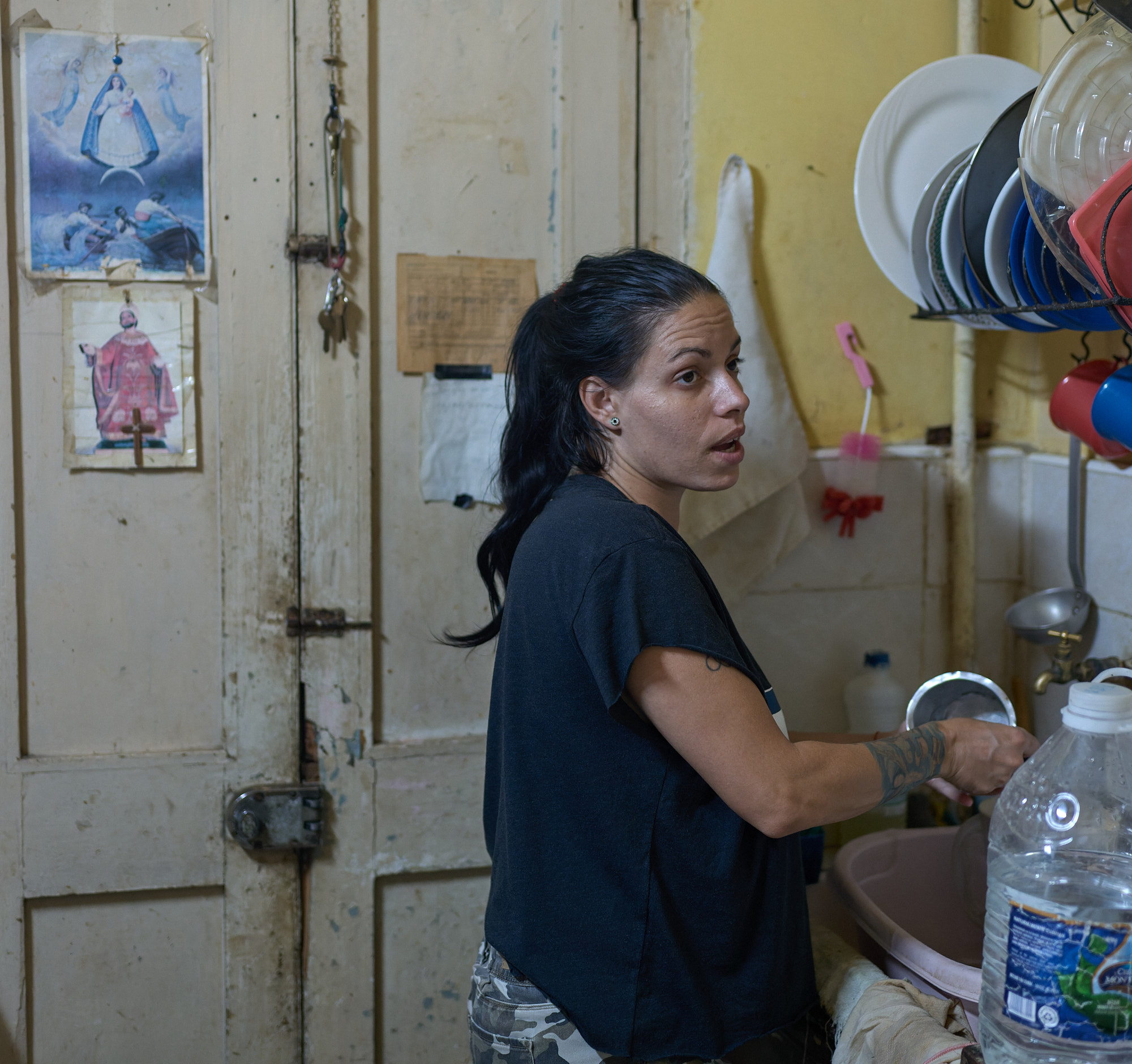
Unlike Yordanka, Dori isn’t religious. She’s pragmatic, unsentimental. In the kitchen, taped to the wall near the stove, are images of La Virgen and a bishop — they’re Yordanka’s. Dori shrugs at them but respects the comfort they bring.
They’re married. Two moms. Dori says she’d never go back to being with a man — the men from her past didn’t stick around.
“Yordanka is much better than any man,” she tells me. “So the kids have two moms.”
They take turns: one stays home with the kids, the other hustles for work. For Dori, it’s not ideology — it’s logistics. She sees many men as unreliable, undereducated, and uninterested in stepping up. Choosing a wife, she says, just makes sense.
Still, they barely make it work. On a good day, they earn around 1,000 CUP — about $3 USD. A company job pays 7,000 CUP a month. Rent alone is $50. A friend sometimes sends them $20 a week. It helps. But it’s not enough. And school…
Dori loves her country — but not its government.
“It’s destroying itself,” she says. “No one pushes back. Things are expensive because the government sells to middlemen, and they sell to us. Too many layers.”
This is the logic of the MLC stores.1
In Santa Clara, I saw it firsthand: a bottle of Dove shampoo — $4.20 USD and is intentionally priced in foreign currency. Most Cubans are paid in pesos. The stores are state-run, meant to attract hard cash from abroad — not serve the people. Most families can’t afford them without remittances or black-market dollars.
I asked Dori about the U.S. embargo. She shrugged.
She sees U.S., Chinese, and Russian goods all the time. The problem, she said, isn’t outside.
“The problem is in here.”
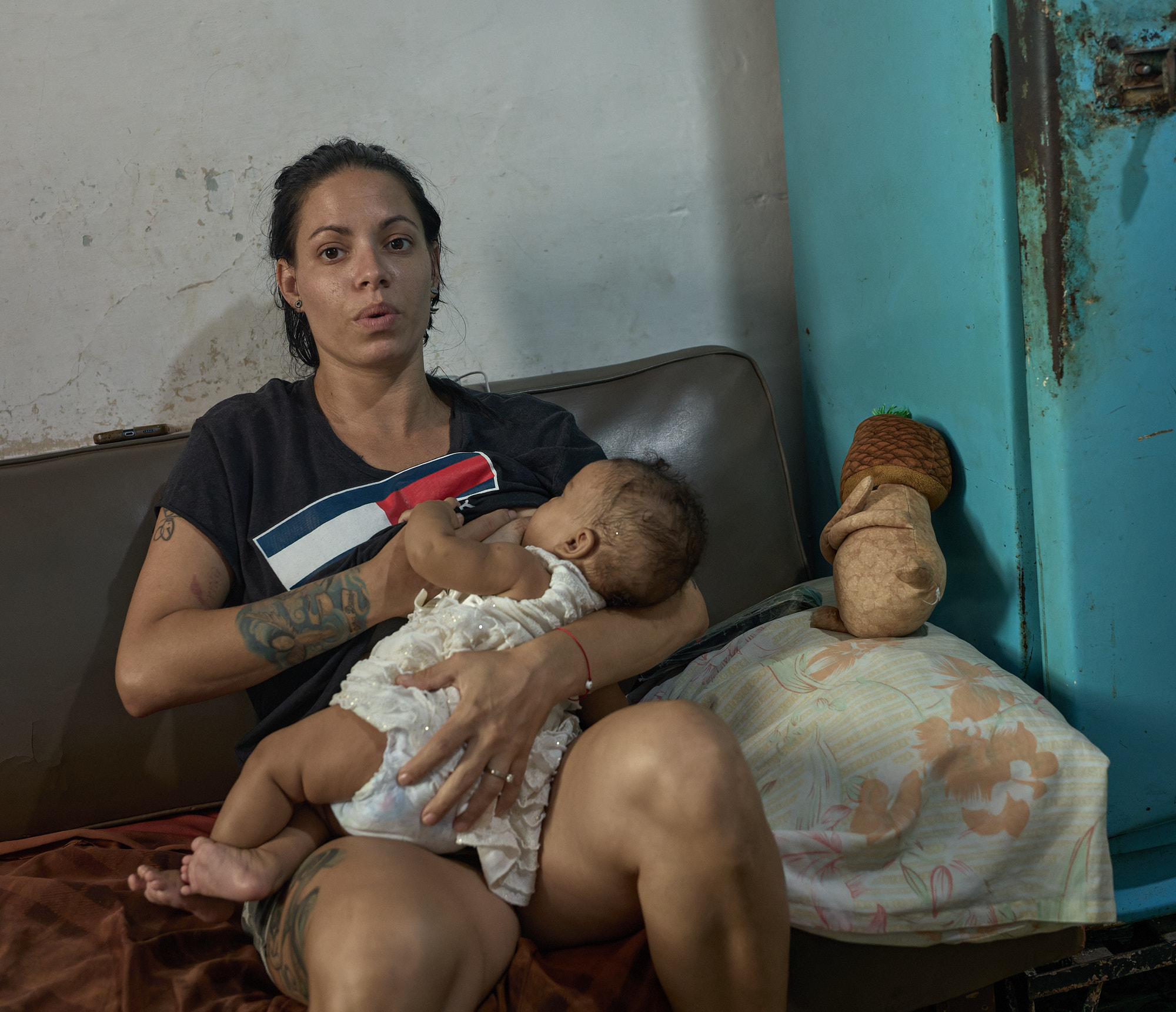
She said this while breastfeeding her daughter, Alma, seated on a worn couch under peeling paint. The TV played in the background.
“Propaganda plays with fake smiles and fake words,” she said. “The government speaks like actors. It’s not real. It’s theater.”
And while the schools crumble and inflation climbs, the president just bought a $2.5 million jet.
They want better for their kids. Not planes for presidents.
Like many others, they access outside news through a shared internet account across households. Dori showed me YouTube, Telemundo, Miami TV, BBC. They’re not disconnected. They’re watching.
The contradictions are everywhere. A 45-channel antenna is illegal. But streaming foreign media on the internet is fine — because the government can track it, or cut it off. That’s the difference. It’s not about information. It’s about control.
While in Cuba, I had a long conversation with Ileana Yarza2, a retired revolutionary from another era. She reflected on how Cubans once revered Fidel, and how criticism was rare. That time has passed. Today, the younger generation speaks openly against the government, driven by frustration over lack of opportunity, rising hunger, emigration, and fear.
Dori is of this younger generation – angry at the government and men, irate at the corruption in the schools and a government that exploits at the expense of her kids – whom she clearly loves
What Do You Do With a Life Like This?
You adapt. You scrape. You store water. Some burn scavenged doors to cook. You figure out how to live with little medicine, no gas, and no privacy.
And somehow, you still find a path.
What amazes me is how five people live in this tiny space, trying to eke out a life. At this point, neither Dori nor Yordanka is gainfully employed. They had to sell their camera—a significant source of income along with tattooing—just to buy food.
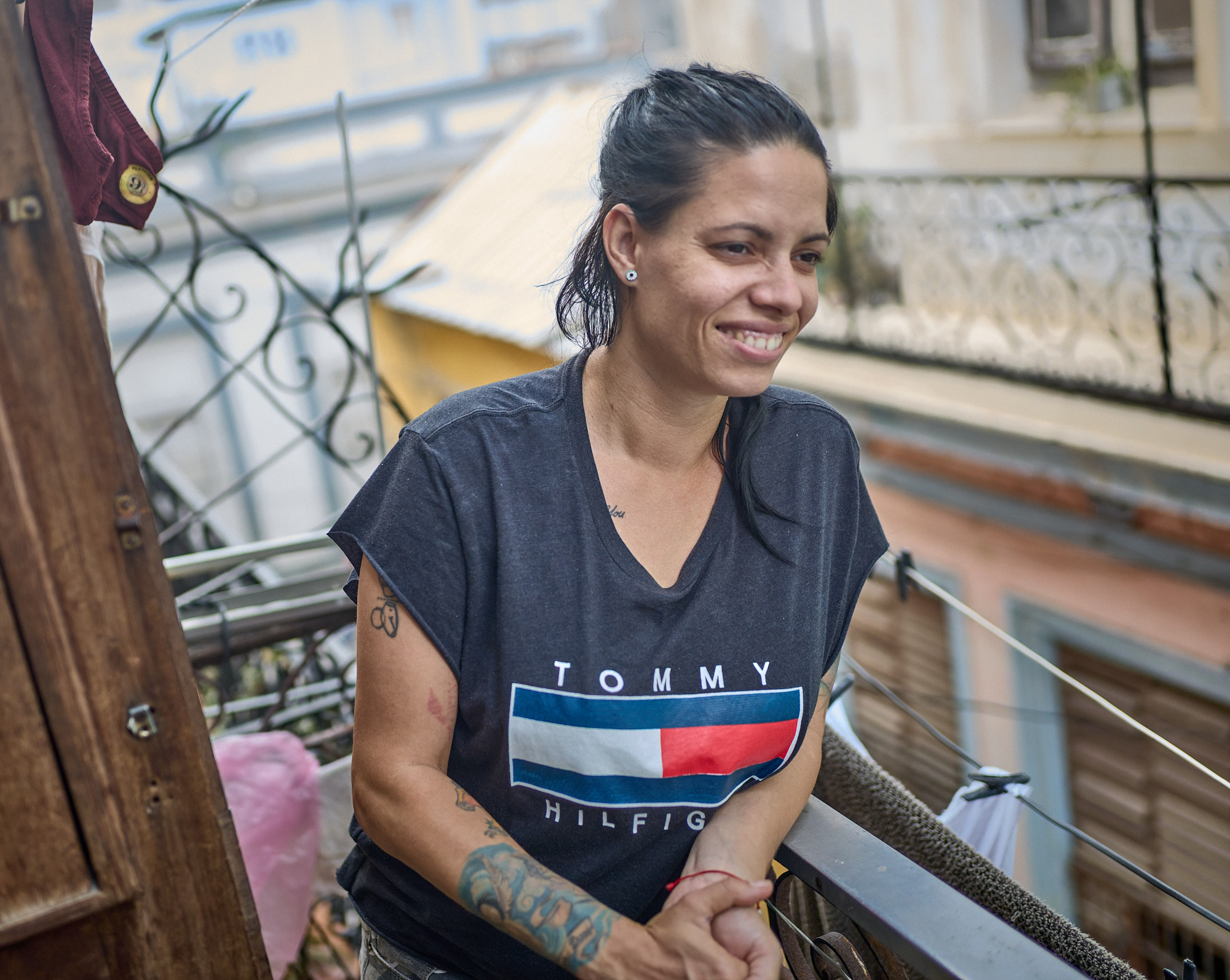
And yet, they stay resilient. They still talk about leaving Cuba, about building a better future.
Like so many from this generation I’ve sat with—on porches, balconies, in work spaces —I keep wondering: how long can that dream last? At what point does reality—rations, repression, exhaustion—finally wear it down?
- The Cuban government created MLC stores to pull in U.S. dollars—not to serve the average Cuban. By pricing essentials like shampoo in USD while paying wages in worthless pesos, they’ve built a system that excludes most of the population. Families are forced to rely on remittances or black-market dollars just to buy basic goods, while the state funnels that hard currency into its own coffers to fund imports or prop up failing systems.
It’s exploitation disguised as reform. The people get scarcity. The government gets dollars.
I’ll be doing a full piece on this soon. ↩ - Ileana Yarza is a retired Cuban revolutionary who gained international attention after writing a letter to President Obama, which led to a historic meeting during his 2016 visit to Havana. I spent nearly two hours speaking with her in her home—a conversation filled with pride, contradiction, and hard-earned clarity. Her full story will appear in an upcoming post. ↩

 Documentary Photography and Stories
Leave a comment